
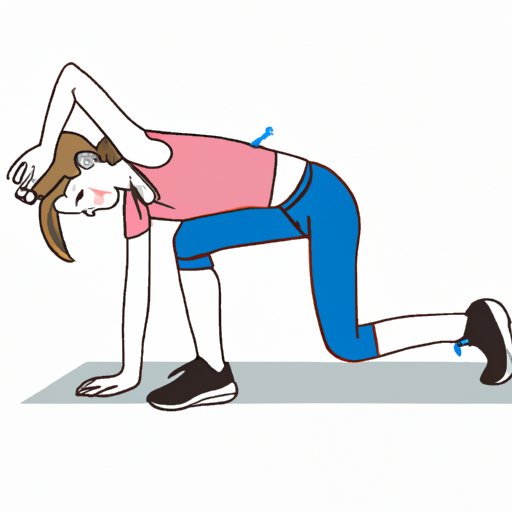
Introduction: Why Do I Feel Sick After Working Out?
Working out can be an incredibly rewarding experience for most people, as it helps us to stay fit and healthy, and can even help to boost our mood. However, for some, working out can leave them feeling sick and fatigued afterwards. In this article, we will explore why this might happen, from identifying the causes of post-exercise fatigue, to understanding the link between exercise and nausea, and examining potential risks of over-exercising.
Identifying the Causes of Post-Exercise Fatigue
The first step in understanding why you might feel sick after working out is to identify the causes of post-exercise fatigue. According to Dr. Mike Roussell, “the most common cause of post-exercise fatigue is lactic acid buildup.” Lactic acid is a byproduct of hard physical activity, and when it accumulates in your muscles, it can lead to feelings of fatigue and soreness. Another common cause of post-exercise fatigue is dehydration. When you sweat during a workout, you are losing essential fluids and electrolytes that need to be replaced in order to avoid feeling lightheaded and fatigued. Finally, overtraining can also lead to post-exercise fatigue. If you are pushing yourself too hard during your workouts, your body may not be able to recover quickly enough, leading to feelings of exhaustion.

Understanding the Link Between Exercise and Nausea
In addition to feeling fatigued after a workout, some people also experience nausea. According to Dr. Adam Schaffner, “the intensity of the exercise, the type of cardiovascular activity, and the amount of muscular aches and pains experienced during the workout can all play a role in causing nausea.” High-intensity activities, such as sprinting or weightlifting, can put a strain on the body and lead to feelings of nausea. Additionally, certain types of cardiovascular activities, such as running or cycling, can cause nausea due to the repetitive motion. Finally, muscular aches and pains can also contribute to feelings of nausea after a workout.
Exploring the Benefits of Proper Warm-Ups and Stretching
One of the best ways to prevent post-exercise fatigue and nausea is to ensure that you are properly warming up and stretching before your workout. According to the American Council on Exercise, “proper warm-ups and stretching can help to prevent injury, increase range of motion, and improve performance.” Warming up increases blood flow to your muscles, which helps to prepare them for the upcoming physical activity. Stretching helps to increase flexibility, which can reduce the risk of injury and improve performance. Furthermore, stretching can also reduce muscle tension, which can help to prevent feelings of nausea after a workout.
Examining Potential Risks of Over-Exercising
Although exercise is beneficial for overall health and wellbeing, it is important to recognize the potential risks of over-exercising. According to the Mayo Clinic, “over-exercising can increase your risk of injury, mental and physical fatigue, and impaired recovery.” If you are pushing yourself too hard during your workouts, your body may not be able to keep up with the demand, leading to increased risk of injury. Additionally, over-exercising can lead to feelings of mental and physical fatigue, as well as impairing your ability to recover after a workout. It is important to listen to your body and take rest days when needed.
Investigating the Role of Nutrition in Post-Workout Recovery
Nutrition plays an important role in post-workout recovery. According to the Academy of Nutrition and Dietetics, “adequate macronutrients, micronutrients, and hydration are necessary for optimal recovery after exercise.” Macronutrients, such as carbohydrates and proteins, provide the energy and building blocks needed for muscle repair and growth. Micronutrients, such as vitamins and minerals, help to support the immune system and aid in recovery. Finally, adequate hydration is essential for replenishing fluids and electrolytes lost during exercise.

Recognizing the Signs of Dehydration After a Workout
Dehydration is one of the most common causes of post-exercise fatigue and nausea. According to the Mayo Clinic, “some of the signs of dehydration include lightheadedness, muscle cramps, and headaches.” If you are experiencing any of these symptoms after a workout, it is important to stop exercising and replenish fluids and electrolytes. Drinking plenty of water and eating foods high in electrolytes, such as bananas and oranges, can help to rehydrate your body and reduce symptoms of dehydration.
Discussing the Impact of Stress on Exercise Performance
Finally, it is important to consider the impact of stress on exercise performance and recovery. According to the Anxiety and Depression Association of America, “stress can have a variety of physiological and cognitive effects on the body that can impair exercise performance and recovery.” Physiological responses, such as increased heart rate and blood pressure, can make it more difficult to perform physical activities. Additionally, stress can lead to cognitive impairments, such as difficulty concentrating and poor decision-making, which can further impact exercise performance. Finally, stress can also affect motivation, making it more difficult to stay motivated to exercise.

Conclusion: Summary of Key Points
In conclusion, there are many potential causes of feeling sick after working out, including lactic acid buildup, dehydration, and overtraining. Understanding the link between exercise and nausea can help to identify potential causes of post-exercise fatigue. Additionally, proper warm-ups and stretching, nutrition, and recognizing the signs of dehydration can all help to reduce the risk of feeling sick after a workout. Finally, it is important to consider the impact of stress on exercise performance and recovery. By understanding the potential causes of post-exercise fatigue and taking steps to reduce the risk, you can enjoy your workouts without feeling sick afterwards.
(Note: Is this article not meeting your expectations? Do you have knowledge or insights to share? Unlock new opportunities and expand your reach by joining our authors team. Click Registration to join us and share your expertise with our readers.)