
Introduction
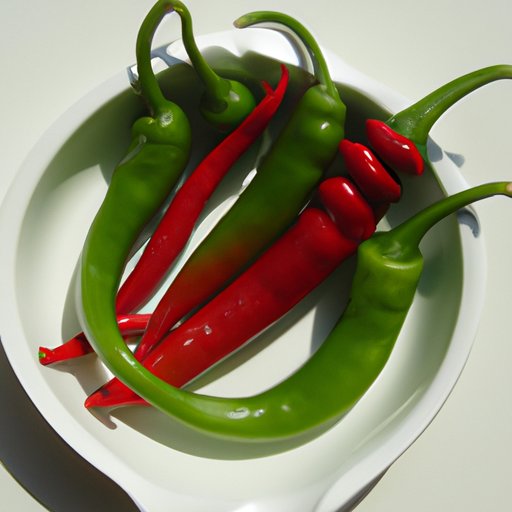
Hot peppers, also known as chili peppers, have been used for centuries in various cuisines to add a spicy kick to dishes. They come in a variety of shapes, sizes, and colors and range in heat level from mild to fiery. In addition to adding flavor, hot peppers have numerous health benefits that make them an excellent addition to any diet.
Exploring the Health Benefits of Hot Peppers
Hot peppers contain several important vitamins, minerals, and antioxidants that can benefit your health. Here’s a look at some of the ways hot peppers can help you stay healthy.
How Hot Peppers Can Help You Lose Weight
Hot peppers contain capsaicin, an active compound that gives peppers their heat. Capsaicin has been shown to increase satiety and reduce calorie intake, making it an effective tool for weight loss. Studies have also found that capsaicin may help boost metabolism and burn fat.
Nutritional Profile of Hot Peppers
In addition to capsaicin, hot peppers are packed with other essential nutrients like vitamins A and C, potassium, and magnesium. They are also a good source of fiber, which is important for digestive health. Eating hot peppers can help you meet your daily nutritional needs while adding flavor to your meals.

What You Need to Know About Eating Hot Peppers
While hot peppers offer many health benefits, there are some safety considerations to keep in mind. Here’s what you need to know before adding hot peppers to your diet.
Safety Considerations
Capsaicin can irritate the skin and eyes, so it’s important to wear gloves and protective eyewear when handling hot peppers. If you get capsaicin on your skin, rinse it off immediately with cool water. If you get it in your eyes, flush them with cold water. It’s also important to be cautious when consuming hot peppers, as they can cause stomach irritation or heartburn. Start with small amounts and gradually increase the amount until you find the right heat level for you.
Tips for Incorporating Hot Peppers Into Your Diet
There are many ways to enjoy hot peppers. Fresh peppers can be added to salads, soups, and sandwiches. Dried peppers can be used to season meats and vegetables. Hot sauces, salsas, and marinades are also great ways to add flavor and spice to your meals.

Comparing the Health Benefits of Different Types of Hot Peppers
Different types of hot peppers offer different levels of heat and unique flavors. Here’s a closer look at some of the most popular types of hot peppers and their nutritional benefits.
Nutrition Facts of Common Hot Peppers
Jalapenos are one of the most common types of hot peppers and offer a moderate heat level. One jalapeno contains 24 calories, 1 gram of protein, and 2 grams of fiber. It’s also a good source of vitamins A, C, and K, as well as iron, calcium, and magnesium.
Habaneros are much hotter than jalapenos, but they are still packed with nutrients. One habanero pepper contains 30 calories, 1 gram of protein, and 3 grams of fiber. It’s also a good source of vitamins A, C, and K, as well as iron and magnesium.
Cayenne peppers are slightly milder than habaneros, but they still pack a punch. One cayenne pepper contains 18 calories, 1 gram of protein, and 2 grams of fiber. It’s also a good source of vitamins A, C, and K, as well as iron, calcium, and magnesium.
Unique Benefits of Each Type of Hot Pepper
In addition to providing essential vitamins and minerals, each type of hot pepper offers its own unique health benefits. Jalapenos are rich in antioxidants that can help protect against inflammation and disease. Habaneros contain high amounts of vitamin C, which can help boost immunity. Cayenne peppers are rich in capsaicin, which can help reduce pain and fight infection.
Conclusion
Hot peppers are an excellent way to add flavor and spice to your meals while also boosting your nutrition. They are packed with essential vitamins and minerals, and they offer a variety of health benefits, including weight loss, improved digestion, and boosted immunity. However, it’s important to exercise caution when consuming hot peppers, as they can cause irritation and discomfort if not eaten in moderation.
No matter which type of hot pepper you choose, you can rest assured that you’re getting a nutritious addition to your diet.
(Note: Is this article not meeting your expectations? Do you have knowledge or insights to share? Unlock new opportunities and expand your reach by joining our authors team. Click Registration to join us and share your expertise with our readers.)