
Introduction
High blood pressure, also known as hypertension, is a condition in which the force of blood against artery walls is too high. It can lead to serious health complications, such as heart attack, stroke, and kidney failure. In order to keep your blood pressure within a healthy range, it’s important to understand the causes and risks associated with high blood pressure and to make lifestyle changes to reduce your risk.
Exercise Regularly
Regular physical activity has numerous benefits for overall health, including reducing blood pressure. According to the American Heart Association, engaging in moderate aerobic exercise for at least 30 minutes five days a week can help lower blood pressure. Examples of aerobic activities include walking, running, swimming, and cycling. Strength training exercises, such as weight lifting and bodyweight exercises, can also be beneficial for lowering blood pressure.
Eat Healthy Foods
Eating a balanced and nutritious diet is essential for maintaining a healthy blood pressure. The American Heart Association recommends following a diet that is low in saturated fats, trans fats, cholesterol, added sugars, and sodium, and high in fruits, vegetables, whole grains, and lean proteins. Healthy fats, such as those found in fatty fish, nuts, and avocados, are especially beneficial for lowering blood pressure. Protein sources like beans, legumes, eggs, and lean meats provide essential nutrients for keeping blood pressure in check.
Reduce Sodium Intake
Sodium is an electrolyte that helps regulate fluid balance in the body. Too much sodium can cause fluid retention, which can lead to an increase in blood pressure. Common sources of sodium in the diet include processed foods, condiments, canned soups, and frozen dinners. To reduce sodium intake, consume fresh or frozen vegetables, choose low-sodium alternatives when available, and limit the use of salt when cooking. Additionally, avoid adding extra salt to food.
Limit Alcohol Consumption
Alcohol can have both positive and negative effects on blood pressure, depending on how much you drink. Drinking alcohol in moderation can actually help lower blood pressure. However, drinking too much alcohol can raise blood pressure. The American Heart Association recommends no more than two drinks per day for men and one drink per day for women.
Take Stress-Reduction Techniques
Stress can have a significant impact on blood pressure. Long-term, chronic stress can even lead to hypertension. Taking time for yourself, engaging in relaxation techniques, and getting enough sleep can all help reduce stress levels and lower blood pressure. Examples of stress-reduction techniques include yoga, mindfulness meditation, deep breathing, and journaling.
Consider Medication or Supplements
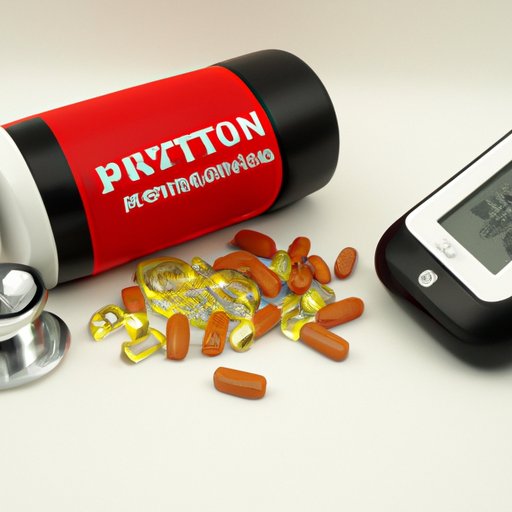
If lifestyle changes alone do not sufficiently lower your blood pressure, your doctor may recommend taking medication or supplements. Medications, such as angiotensin-converting enzyme (ACE) inhibitors, beta blockers, and diuretics, can help reduce blood pressure. Natural supplements, such as garlic, omega-3 fatty acids, and coenzyme Q10, may also be beneficial for lowering blood pressure. However, it’s important to talk to your doctor before taking any medications or supplements.
Conclusion
High blood pressure can have serious health consequences if left untreated. Fortunately, there are several lifestyle changes you can make to help lower your blood pressure and reduce your risk of hypertension. These include engaging in regular physical activity, eating a heart-healthy diet, reducing sodium intake, limiting alcohol consumption, and taking stress-reduction techniques. If lifestyle changes are not enough, consider talking to your doctor about medications or natural supplements that may help reduce your blood pressure. It’s always best to consult a medical professional before making any major changes to your diet or lifestyle.
(Note: Is this article not meeting your expectations? Do you have knowledge or insights to share? Unlock new opportunities and expand your reach by joining our authors team. Click Registration to join us and share your expertise with our readers.)