
Introduction
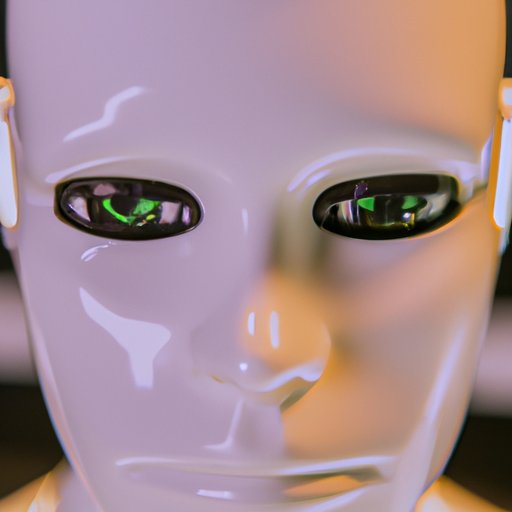
Robotics is a field of engineering focused on the design, construction, and operation of robots. These autonomous machines are designed to perform a range of tasks, from manufacturing goods to providing medical care. As robotics and artificial intelligence (AI) become increasingly advanced, they have had a profound impact on society. This article will explore the benefits and risks of robotics in everyday life, examine the role of AI in developing robotic technology, and analyze the ethical implications of these technologies.
Benefits and Risks of Robots in Everyday Life
Robots offer a number of potential benefits for everyday life. Automation can reduce costs and improve efficiency in a variety of industries, from manufacturing to healthcare. According to a study by the International Federation of Robotics, “the use of industrial robots resulted in an estimated annual global productivity gain of $16 billion in 2017.” Additionally, robots can be used to perform dangerous or tedious tasks that would otherwise be too risky or time consuming for humans. For example, robots have been used to explore hazardous environments such as the deep sea and outer space.
However, there are also potential risks associated with the use of robots. Automation can lead to job displacement and increased inequality, as robots are often used to replace human labor. Additionally, robots can be prone to errors and malfunctions, which can lead to accidents and injuries. For example, a robotic surgical system malfunctioned during a procedure in 2018, leading to the death of a patient.
In addition to the potential benefits and risks of automation, robots can also provide opportunities for human-robot interaction. Robots can be used to provide companionship and emotional support to people who may not have access to other forms of social interaction. For example, one study found that elderly people with dementia experienced “increased levels of joy and decreased levels of stress” when interacting with a robotic pet.

Artificial Intelligence and Robotic Technology
Artificial intelligence (AI) plays a key role in developing robotic technology. AI algorithms can be used to enable robots to understand their environment and interact with humans more effectively. AI can also be used to improve robot performance by enabling them to learn from their experience and adapt to new situations. For example, AI algorithms have been used to develop robots that can navigate unfamiliar terrain and manipulate objects with greater precision.
In addition to improving robot performance, AI can also be used to create more intelligent robots that are capable of complex problem solving. This could allow robots to perform tasks that require higher levels of cognition, such as diagnosing medical conditions or providing legal advice. While this technology is still in its early stages, it has the potential to revolutionize the way we interact with robots and reshape the future of work.

Ethical Implications of Robotics and AI
The use of robotics and AI raises a number of ethical questions. One of the most pressing concerns is privacy. As robots and AI become increasingly sophisticated, they will be able to collect and process large amounts of data about people. This data can then be used to make decisions that have significant impacts on people’s lives, such as whether they are eligible for a loan or insurance policy. It is important to ensure that this data is collected, stored, and used responsibly.
Additionally, there are moral and legal implications of robotics and AI. Robots and AI systems are being used to make decisions that could have serious consequences for individuals and society. For example, autonomous weapons systems are being developed that could be used to make life-or-death decisions without any human oversight. In order to ensure that robots and AI systems are used ethically and responsibly, it is essential to have clear regulations in place that define acceptable uses of these technologies.
Conclusion
Robotics and AI have had a profound impact on society, offering a number of potential benefits and risks. Automation can increase productivity and efficiency, but it can also lead to job displacement and increased inequality. AI algorithms can be used to enable robots to understand their environment and interact with humans more effectively, but they can also be used to collect and process large amounts of personal data. Finally, robots and AI systems are being used to make decisions that could have serious consequences for individuals and society, raising moral and legal questions about how these technologies should be regulated.
In conclusion, robotics and AI have the potential to revolutionize the way we interact with technology and reshape the future of work. However, it is essential to ensure that these technologies are used responsibly and ethically, so that the potential benefits outweigh the potential risks.
(Note: Is this article not meeting your expectations? Do you have knowledge or insights to share? Unlock new opportunities and expand your reach by joining our authors team. Click Registration to join us and share your expertise with our readers.)