
Introduction
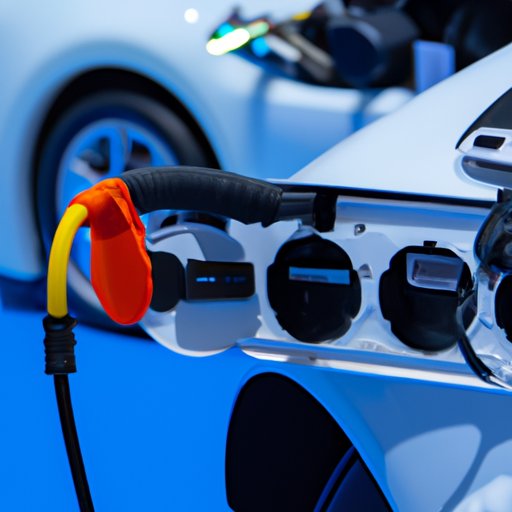
Electric cars are becoming increasingly popular as people become more aware of their environmental impact and the need for sustainable transportation solutions. An electric car is a vehicle powered by an electric motor instead of an internal combustion engine. This motor is powered by electricity stored in a battery, which can be recharged from an external source such as a wall outlet or solar panel.
Electric cars offer a number of advantages over traditional gasoline-powered vehicles. They are more efficient, produce fewer emissions, and are cheaper to maintain and operate. Additionally, electric cars require less maintenance than gasoline-powered vehicles, making them a more convenient option for many drivers.

Explaining the Basic Principles of Electric Vehicle Technology
To understand how electric cars work, it is important to first understand the basic principles of electric vehicle technology. Electric cars use an electric motor to convert electrical energy stored in batteries into mechanical energy that powers the car’s wheels. The motor is connected to the wheels through a transmission, which can either be manual or automatic.
The battery is the main component that powers the electric motor. It stores electrical energy and can be recharged by plugging into an external power source. There are several types of batteries used in electric cars, including lead-acid, nickel-metal hydride, and lithium-ion batteries.
The motor is the component that converts the electrical energy from the battery into mechanical energy. It is usually composed of two parts: an armature and a field winding. The armature is the part that rotates and produces torque, while the field winding creates a magnetic field that interacts with the armature to create motion.
The regulator is a component that controls the flow of current from the battery to the motor. It ensures that the correct amount of power is delivered to the motor at all times and prevents the motor from being overloaded. The charger is the component that recharges the battery from an external power source. It is responsible for converting alternating current (AC) from the power source into direct current (DC) that can be stored in the battery.
Examining the Components of an Electric Car
An electric car is made up of several components, each of which plays an important role in the functioning of the vehicle. The most important components are the battery, the motor, the regulator, and the charger.
Battery
The battery is the main component that powers the electric motor. It stores electrical energy and can be recharged by plugging into an external power source. There are several types of batteries used in electric cars, including lead-acid, nickel-metal hydride, and lithium-ion batteries.
Motor
The motor is the component that converts the electrical energy from the battery into mechanical energy. It is usually composed of two parts: an armature and a field winding. The armature is the part that rotates and produces torque, while the field winding creates a magnetic field that interacts with the armature to create motion.
Regulator
The regulator is a component that controls the flow of current from the battery to the motor. It ensures that the correct amount of power is delivered to the motor at all times and prevents the motor from being overloaded.
Charger
The charger is the component that recharges the battery from an external power source. It is responsible for converting alternating current (AC) from the power source into direct current (DC) that can be stored in the battery.
Comparing Electric Cars to Gasoline-Powered Vehicles
When comparing electric cars to gasoline-powered vehicles, it is important to consider both the pros and cons of each type of car. Electric cars have several advantages, such as being more efficient, producing fewer emissions, and being cheaper to maintain and operate. On the other hand, gasoline-powered vehicles typically have better performance and longer range due to their larger fuel tanks.
In terms of cost, electric cars are often more expensive than gasoline-powered vehicles. However, the cost of owning and operating an electric car over its lifetime is often lower than that of a gasoline-powered car. According to a study by the Union of Concerned Scientists, “the total cost of ownership for an electric car can be up to $8,000 lower than a comparable gasoline-powered car over five years.”
Investigating Battery Technologies in Electric Cars
The type of battery used in an electric car is an important factor that affects the performance and range of the vehicle. The most common types of batteries used in electric cars are lead-acid, nickel-metal hydride, and lithium-ion batteries.
Lead-acid batteries are the oldest type of battery used in electric cars. They are inexpensive but have relatively low energy densities and require frequent maintenance. Nickel-metal hydride batteries are more energy-dense than lead-acid batteries and require less maintenance, but they are more expensive.
Lithium-ion batteries are the most advanced type of battery used in electric cars. They have the highest energy density and longest life span of any type of battery, but they are also the most expensive. According to a study conducted by the Massachusetts Institute of Technology, “lithium-ion batteries can provide up to twice the range of nickel-metal hydride batteries for the same weight and volume.”

Analyzing the Benefits of Electric Cars
Electric cars offer a number of benefits over traditional gasoline-powered vehicles. One of the most significant benefits is their environmental impact. Electric cars produce fewer emissions than gasoline-powered vehicles, which reduces air pollution and helps to protect the environment.
Electric cars also offer cost savings. According to a study by the Union of Concerned Scientists, “the total cost of ownership for an electric car can be up to $8,000 lower than a comparable gasoline-powered car over five years.” Additionally, electric cars require less maintenance than gasoline-powered vehicles, which saves time and money.
Finally, electric cars offer convenience. They can be charged at home or at public charging stations, making it easy to refuel. Additionally, electric cars do not require oil changes or other regular maintenance, which saves time and hassle.

Looking at the Future of Electric Vehicles
The future of electric vehicles looks bright. Emerging technologies such as solid-state batteries and hydrogen fuel cells could revolutionize the industry, providing longer ranges and faster charging times. Additionally, autonomous driving technology could make electric vehicles even more convenient and safe.
However, electric vehicles still face some challenges. For example, the cost of batteries is currently high, making electric cars more expensive than gasoline-powered vehicles. Additionally, the availability of charging infrastructure is limited in many areas, which limits the range of electric cars.
Despite these challenges, there are many opportunities for electric vehicles to grow in the future. Governments around the world are offering incentives to encourage the adoption of electric cars. Additionally, advancements in battery technology could make electric cars more affordable and increase their range.
Conclusion
Electric cars are becoming increasingly popular as people become more aware of their environmental impact and the need for sustainable transportation solutions. This article provided an in-depth look into how electric cars work and the technologies that power them. It examined the components of an electric car, compared it to a gasoline-powered vehicle, investigated battery technologies, and outlined the environmental, financial, and convenience benefits of electric cars.
The future of electric vehicles looks promising, with emerging technologies and government incentives making electric cars more accessible and attractive. While there are still some challenges that need to be addressed, electric cars offer numerous benefits that make them an appealing option for many drivers.
(Note: Is this article not meeting your expectations? Do you have knowledge or insights to share? Unlock new opportunities and expand your reach by joining our authors team. Click Registration to join us and share your expertise with our readers.)