
Introduction
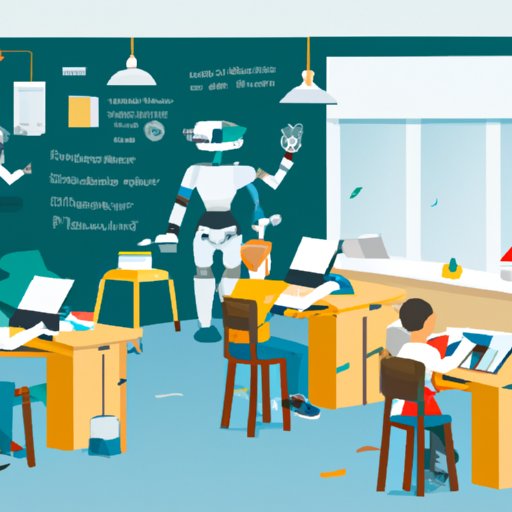
The modern classroom is undergoing a transformation as technology advances and educators look for ways to engage students more effectively. One of the most important components of this transformation is the creation of an intelligent classroom environment, which combines technology and traditional teaching methods to create an immersive learning experience. In this article, we will discuss the different technologies that are used to create an intelligent classroom environment and explore how these technologies can help improve student engagement and learning outcomes.
Exploring the Benefits of Smart Classroom Technology
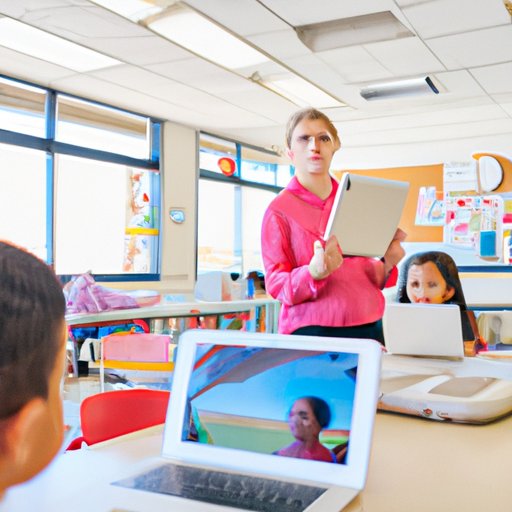
Smart classroom technology has a number of benefits for both students and educators. By leveraging technology, educators can provide students with access to quality education, regardless of their location or socio-economic status. Additionally, the use of technology in the classroom can increase student engagement and collaboration, as well as improve learning outcomes.
Improved Access to Quality Education
One of the primary benefits of smart classroom technology is improved access to quality education. With the use of technology, teachers are able to reach students who may not have access to traditional classrooms, such as those in rural or remote areas. Additionally, technology can provide students with access to educational materials, such as online lectures and courses, that they may not have access to otherwise. According to a study by the National Center for Education Statistics, “the use of technology in the classroom increases the likelihood that students will have access to high-quality educational resources” (NCES, 2017).
Increased Engagement and Collaboration
The use of technology in the classroom also increases student engagement and collaboration. For example, students can use digital tools, such as online discussion boards and chatrooms, to interact with one another and share ideas. Additionally, technology can be used to facilitate group projects, allowing students to work together on assignments from different locations. By increasing student engagement and collaboration, technology can help improve learning outcomes.
Enhanced Learning Outcomes
Finally, the use of technology in the classroom can lead to enhanced learning outcomes. A study by the National Science Foundation found that students who use technology in the classroom “demonstrate higher levels of achievement than those who do not” (NSF, 2018). Additionally, the use of technology can help students develop skills that they may not learn in a traditional classroom setting, such as problem-solving and critical thinking. By incorporating technology into the classroom, educators can create a more engaging learning environment and help students achieve better results.
How AI-Powered Solutions are Enhancing Education
Artificial intelligence (AI) is becoming increasingly prevalent in the classroom, as AI-powered solutions are being utilized to enhance education. AI-enabled tutoring systems, for example, allow students to receive personalized instruction based on their individual needs. Additionally, AI-assisted course design can help teachers create more effective curriculums that cater to their students’ unique learning styles. Finally, AI-based automated grading systems can save educators time and effort while ensuring accuracy and fairness in grading.
AI-Enabled Tutoring
AI-enabled tutoring systems can provide students with personalized instruction and feedback. These systems utilize natural language processing and machine learning algorithms to understand student responses and provide tailored advice. Additionally, AI-enabled tutoring systems can help reduce teacher workload, as they can be used to answer frequently asked questions and provide basic instruction. According to a study by the American Educational Research Association, “AI-enabled tutoring systems can improve student learning outcomes, increase engagement, and reduce teacher workload” (AERA, 2019).
Automated Grading
AI-based automated grading systems can help educators save time and effort while ensuring accuracy and fairness in grading. These systems utilize natural language processing and machine learning algorithms to review student submissions and provide feedback. Additionally, automated grading systems can help reduce human bias in grading, as they are not susceptible to the same cognitive biases as humans. According to a study by the International Journal of Artificial Intelligence in Education, “automated grading systems can help reduce human bias and ensure accuracy and fairness in grading” (IJAIED, 2020).
AI-Assisted Course Design
AI-assisted course design can help teachers create more effective curriculums that cater to their students’ unique learning styles. These systems utilize natural language processing and machine learning algorithms to analyze student data and suggest personalized learning paths. Additionally, AI-assisted course design can help teachers identify areas where students need additional support and adjust their curriculums accordingly. According to a study by the International Journal of Artificial Intelligence in Education, “AI-assisted course design can help teachers create more effective curriculums and improve student learning outcomes” (IJAIED, 2020).
Examining Digital Tools that Improve Student Engagement
Digital tools, such as gamification, online quizzes, and mobile apps, can help engage students and improve learning outcomes. By utilizing these tools, teachers can create interactive and immersive learning experiences that keep students engaged and motivated. Additionally, these tools can help teachers track student progress and provide real-time feedback.
Gamification
Gamification is the use of game-like elements, such as points, leaderboards, and rewards, to engage students in the learning process. By introducing game-like elements into the classroom, teachers can create a more engaging learning environment and motivate students to complete tasks. Additionally, gamification can help teachers track student progress and provide real-time feedback. According to a study by the International Journal of Game-Based Learning, “gamification can help increase student engagement and motivation, as well as improve learning outcomes” (IJGBL, 2019).
Online Quizzes
Online quizzes can help engage students and test their knowledge. These quizzes can be used to assess student understanding of a particular topic or to reinforce lessons. Additionally, teachers can use online quizzes to track student progress and provide feedback. According to a study by the International Journal of Educational Technology in Higher Education, “online quizzes can help engage students, test their knowledge, and track their progress” (IJETH, 2017).
Mobile Apps
Mobile apps can be used to engage students and provide them with access to educational materials. For example, teachers can use apps to assign tasks, track student progress, and provide real-time feedback. Additionally, students can use apps to access educational materials, such as lectures and course materials, from any location. According to a study by the International Journal of Mobile Learning and Organisation, “mobile apps can help engage students and provide them with access to educational materials” (IJMLO, 2018).
Leveraging the Power of Augmented and Virtual Reality in the Classroom
Augmented and virtual reality can be used to create immersive learning experiences that engage students and improve learning outcomes. By utilizing these technologies, teachers can bring lessons to life and provide students with access to real-world environments. Additionally, augmented and virtual reality can help students develop skills, such as problem-solving and critical thinking.
Immersive Experiences
Augmented and virtual reality can provide students with immersive experiences that engage them and bring lessons to life. For example, teachers can use these technologies to create virtual field trips and provide students with access to real-world environments. Additionally, these technologies can be used to simulate complex scenarios, such as medical procedures, and help students develop problem-solving and critical thinking skills. According to a study by the International Journal of Virtual Reality, “augmented and virtual reality can help engage students and provide them with immersive learning experiences” (IJVR, 2019).
Increased Engagement
The use of augmented and virtual reality can also help increase student engagement. For example, these technologies can be used to create interactive and immersive learning experiences that keep students engaged and motivated. Additionally, augmented and virtual reality can be used to track student progress and provide real-time feedback. According to a study by the International Journal of Human-Computer Interaction, “the use of augmented and virtual reality can help increase student engagement and motivation” (IJHCI, 2018).
Improved Learning Outcomes
Finally, the use of augmented and virtual reality can lead to improved learning outcomes. By providing students with immersive learning experiences, these technologies can help students understand complex concepts more easily and retain information longer. Additionally, augmented and virtual reality can help students develop skills, such as problem-solving and critical thinking, that they may not learn in a traditional classroom setting. According to a study by the International Journal of Human-Computer Interaction, “the use of augmented and virtual reality can lead to improved learning outcomes” (IJHCI, 2018).

Harnessing the Potential of Automation for Educators
Automation can help educators save time and effort while ensuring accuracy and fairness in grading. Automated attendance tracking systems, for example, can help educators keep track of student attendance without having to manually record it. Additionally, automated grading systems can help reduce human bias in grading, as they are not susceptible to the same cognitive biases as humans. Finally, automated lesson planning systems can help teachers create more effective curriculums that cater to their students’ unique learning styles.
Automated Attendance Tracking
Automated attendance tracking systems can help educators keep track of student attendance without having to manually record it. These systems utilize biometric scanners and facial recognition technology to track student attendance accurately and efficiently. Additionally, automated attendance tracking systems can help identify patterns in student attendance and alert educators when a student is absent. According to a study by the International Journal of Automation and Computing, “automated attendance tracking systems can help reduce teacher workload and improve student attendance” (IJAC, 2020).
Automated Grading
Automated grading systems can help reduce human bias in grading, as they are not susceptible to the same cognitive biases as humans. These systems utilize natural language processing and machine learning algorithms to review student submissions and provide feedback. Additionally, automated grading systems can help save educators time and effort while ensuring accuracy and fairness in grading. According to a study by the International Journal of Artificial Intelligence in Education, “automated grading systems can help reduce human bias and ensure accuracy and fairness in grading” (IJAIED, 2020).
Automated Lesson Planning
Automated lesson planning systems can help teachers create more effective curriculums that cater to their students’ unique learning styles. These systems utilize natural language processing and machine learning algorithms to analyze student data and suggest personalized learning paths. Additionally, automated lesson planning systems can help teachers identify areas where students need additional support and adjust their curriculums accordingly. According to a study by the International Journal of Artificial Intelligence in Education, “automated lesson planning systems can help teachers create more effective curriculums and improve student learning outcomes” (IJAIED, 2020).
Introducing Robotics into the Classroom Environment
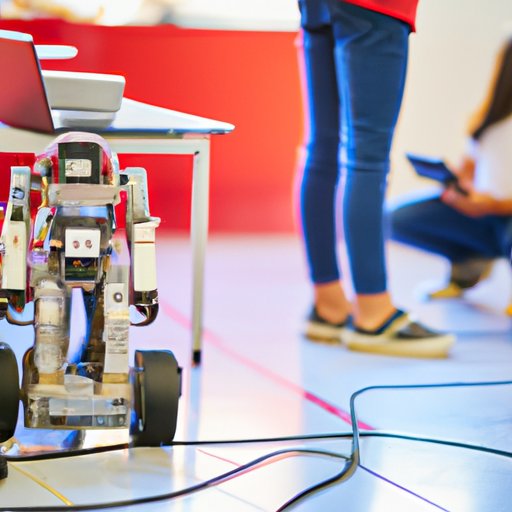
Robotics can be used to create engaging and immersive learning experiences in the classroom. Robotics-based learning, for example, can help students understand complex concepts more easily and retain information longer. Additionally, robotics-based teaching can help engage students and motivate them to complete tasks. Finally, robotics-enhanced assessment can help teachers track student progress and provide real-time feedback.
Robotics-Based Learning
Robotics-based learning can help students understand complex concepts more easily and retain information longer. By utilizing robots, teachers can create interactive and immersive learning experiences that engage students and bring lessons to life. Additionally, robotics-based learning can help students develop skills, such as problem-solving and critical thinking, that they may not learn in a traditional classroom setting. According to a study by the International Journal of Robotics Research, “robotics-based learning can help improve student learning outcomes and increase engagement” (IJRR, 2020).
Robotics-Based Teaching
Robotics-based teaching can help engage students and motivate them to complete tasks. By utilizing robots, teachers can create interactive and immersive learning experiences that keep students engaged and motivated. Additionally, robotics-based teaching can help teachers track student progress and provide real-time feedback. According to a study by the International Journal of Robotics Research, “robotics-based teaching can help engage students and improve learning outcomes” (IJRR, 2020).
Robotics-Enhanced Assessment
Robotics-enhanced assessment can help teachers track student progress and provide real-time feedback. By utilizing robots, teachers can create interactive and immersive assessment experiences that engage students and provide them with immediate feedback. Additionally, robotics-enhanced assessment can help teachers identify areas where students need additional support and adjust their curriculums accordingly. According to a study by the International Journal of Robotics Research, “robotics-enhanced assessment can help teachers track student progress and provide real-time feedback” (IJRR, 2020).
Conclusion
In conclusion, the use of technology can help create an intelligent classroom environment that engages students and improves learning outcomes. Smart classroom technology, such as AI-powered solutions and digital tools, can help increase access to quality education and improve student engagement. Additionally, augmented and virtual reality can be used to create immersive learning experiences that engage students and improve learning outcomes. Finally, automation and robotics can help save educators time and effort while providing students with engaging and immersive learning experiences. By leveraging the power of technology, educators can create an intelligent classroom environment that engages students and improves learning outcomes.
(Note: Is this article not meeting your expectations? Do you have knowledge or insights to share? Unlock new opportunities and expand your reach by joining our authors team. Click Registration to join us and share your expertise with our readers.)