
Introduction
Pharmacy is an essential part of the health care system, providing medications to patients in a safe and effective manner. As technology continues to advance, there have been increasing discussions about whether robots could one day replace human pharmacists. While it is unlikely that robots will completely replace human pharmacists in the near future, automation and artificial intelligence (AI) can play a major role in pharmacy practice and reshape the profession as a whole.
Examining the Benefits and Risks of Robotic Pharmacists
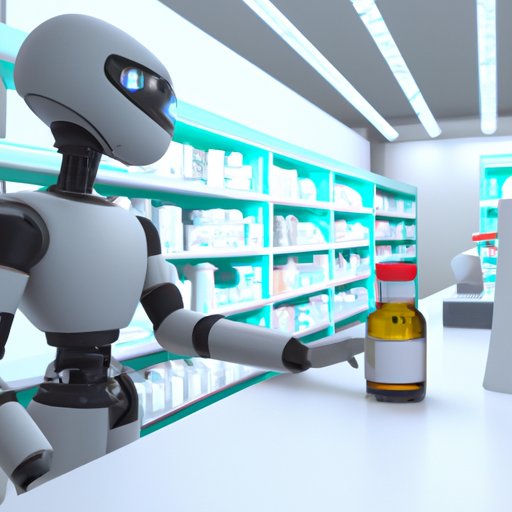
Automation has the potential to improve efficiency and accuracy in pharmacy practice. According to a study published in the journal Drugs & Therapy Perspectives, automated dispensing machines can reduce the time spent on medication preparation and increase accuracy by eliminating manual errors.1 This could lead to improved patient safety and better outcomes.
However, there are also potential risks associated with robotic pharmacists. Automated systems can be vulnerable to cyberattacks, which could put patient data at risk. In addition, automated systems may not be able to detect certain drug interactions or other potential issues, leading to delays in medication delivery or incorrect dosages.
The Impact of Artificial Intelligence on Pharmacy Practice
Artificial intelligence has the potential to revolutionize pharmacy practice. AI-powered systems can quickly analyze patient data and provide more accurate diagnosis and treatment plans. AI can also be used to improve communication between healthcare providers and patients, making it easier to coordinate care and ensure that patients receive the medications they need.
AI can also help to improve efficiency in pharmacy practice. AI-based systems can rapidly process prescription orders, freeing up pharmacists’ time for other activities such as patient counseling and medication reviews. In addition, AI-powered systems can monitor drug supplies and alert pharmacists when stocks are running low, helping to reduce medication shortages.
Finally, AI can be used to improve access to health care. AI-based systems can identify potential drug interactions and provide personalized recommendations to patients, allowing them to make informed decisions about their medications.
How Technology is Changing the Pharmacy Profession
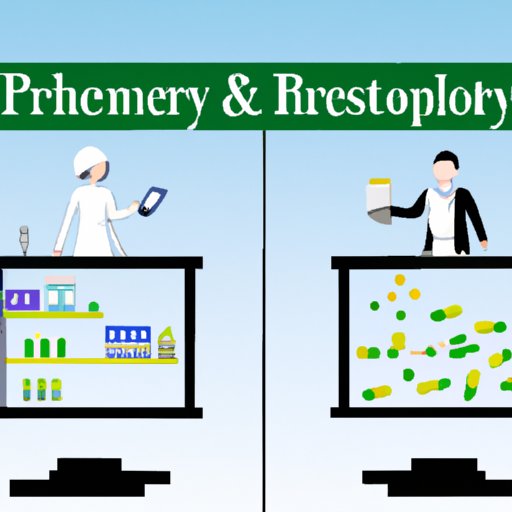
Technology is transforming the pharmacy profession in many ways. New technologies such as electronic medical records (EMRs) and digital prescriptions are making it easier for pharmacists to access and manage patient information. Automated dispensing machines are also being used to speed up the medication preparation process.
In addition, digital prescriptions are becoming more common. Digital prescriptions allow pharmacists to receive, verify, and fill prescriptions electronically, eliminating the need for paper records. This can save time and reduce errors, while also improving patient safety.
Could Robots Replace Human Pharmacists?
While technology has the potential to reshape pharmacy practice, it is unlikely that robots will replace human pharmacists any time soon. Technological limitations mean that robots cannot match the level of expertise and judgment that human pharmacists possess. Additionally, the cost of developing and deploying robotic pharmacists would be significant, making them impractical for most pharmacies.
What are the Ethical Implications of Robot Pharmacists?
The use of robots in pharmacy raises important ethical questions. As robots become increasingly sophisticated, there is a risk of unintended consequences, such as job losses or increased inequality. In addition, there are concerns about privacy and security, as robots can collect and store large amounts of sensitive patient data.
Conclusion
In conclusion, while robots cannot completely replace human pharmacists, automation and artificial intelligence can play a major role in pharmacy practice. Automation can improve efficiency and accuracy, while AI can enable more personalized care and enhanced access to health care. However, there are also potential risks associated with robotic pharmacists, including unintended consequences, privacy and security issues. Ultimately, it is clear that technology has the potential to reshape the pharmacy profession, but robots are unlikely to replace human pharmacists any time soon.
(Note: Is this article not meeting your expectations? Do you have knowledge or insights to share? Unlock new opportunities and expand your reach by joining our authors team. Click Registration to join us and share your expertise with our readers.)