
Introduction
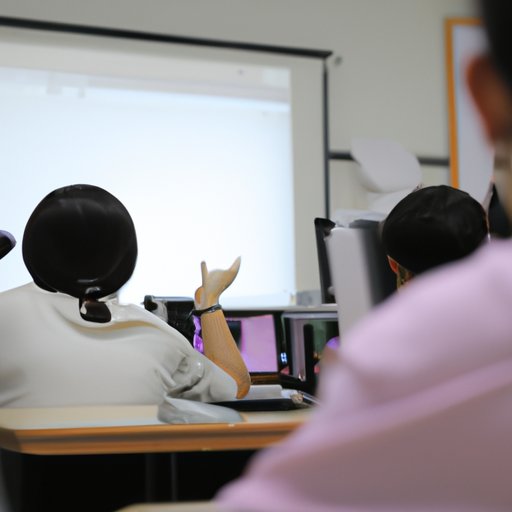
Technology has become an integral part of our lives. It has revolutionized the way we communicate, work, and learn. As technology continues to evolve, it has become increasingly common to see it being used in the classroom. Technology can be used to engage students, motivate them to learn, facilitate collaboration, provide access to information and resources, track student progress, facilitate differentiated instruction, enhance communication between teachers and students, and provide opportunities for creative problem solving.

Increased Student Engagement and Motivation
One of the key benefits of using technology in the classroom is that it can help increase student engagement and motivation. Research has shown that students who are actively engaged in their learning tend to have higher levels of academic achievement (Guskey, 2002). Technology can be used as a tool to make the learning process more interactive and engaging. For example, teachers can use educational games, simulations, virtual field trips, and other multimedia tools to bring a new level of interactivity to the classroom.
In addition to increasing student engagement, technology can also be used as a tool to enhance student motivation. According to a study conducted by the Joan Ganz Cooney Center at Sesame Workshop, “When students are motivated to learn, they are more likely to stay on task, explore learning opportunities, and persist in the face of challenges” (2013). Technology can be used to create personalized learning experiences that cater to the individual interests and needs of each student. This can help foster a sense of ownership and responsibility, which can lead to greater student motivation.
Improved Collaboration Among Students
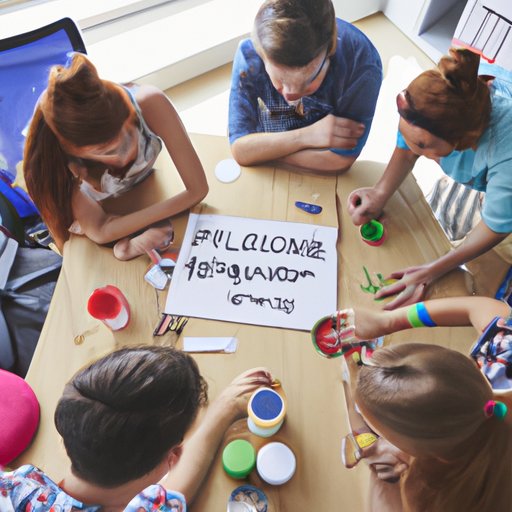
Another benefit of using technology in the classroom is that it can help facilitate collaboration among students. Technology provides a variety of tools that can be used to support group projects and activities. For example, students can use online discussion boards or video conferencing tools to share ideas and discuss topics. They can also use collaborative software such as Google Docs or Dropbox to work together on documents or presentations. By utilizing these tools, students can develop critical skills such as communication, problem-solving, and teamwork.
In addition to facilitating collaboration among students within the same classroom, technology can also be used to connect with other classes and schools. For example, students can use video conferencing tools to collaborate with students from different countries or to attend lectures from experts located around the world. By leveraging technology to expand the classroom beyond its physical boundaries, students can gain access to new perspectives and resources.

Improved Access to Information and Resources
Another benefit of using technology in the classroom is that it can provide students with improved access to information and resources. Technology can give students access to a wealth of online resources, such as videos, articles, and websites, that can help supplement their learning. This can be especially helpful for students who may not have access to physical libraries or books. In addition, teachers can use technology to leverage the expertise of subject matter experts located around the world. For example, they can use video conferencing tools to invite guest speakers into the classroom or to hold remote lessons with students.
Ability to Track Student Progress
Using technology in the classroom can also help teachers track and monitor student performance. Technology can provide real-time data that can be used to gauge student understanding and identify areas of improvement. For example, teachers can use online assessments to quickly assess student understanding and adjust their instruction accordingly. Additionally, technology can be used to create automated feedback loops, which can help teachers provide timely and detailed feedback to students on their assignments.
Facilitating Differentiated Instruction
Technology can also be used to facilitate differentiated instruction, which is the practice of tailoring instruction to meet the individual needs of students. Technology can be used to personalize learning by providing students with personalized content and resources that cater to their specific interests and abilities. In addition, technology can be used to support special needs learners. For example, teachers can use assistive technologies such as speech-to-text tools or text-to-speech tools to help make material more accessible to all students.
Enhanced Communication Between Teachers and Students
Technology can also be used to enhance communication between teachers and students. Teachers can use technology to create an interactive environment in the classroom where students can ask questions, provide feedback, and participate in discussions. In addition, technology can be used to create virtual learning spaces where teachers and students can connect outside of the classroom. For example, teachers can use online platforms to post assignments, provide feedback, and answer student questions.
Opportunities for Creative Problem Solving
Finally, technology can provide students with opportunities for creative problem solving. Technology can be used to encourage students to explore real-world topics and think critically about potential solutions. For example, teachers can use game-based learning to help students develop problem-solving skills, or they can use virtual reality tools to immerse students in complex situations where they must analyze data and make informed decisions. By utilizing technology to create dynamic learning experiences, teachers can help prepare students for the challenges of the future.
Conclusion
The benefits of technology in the classroom are numerous. Technology can be used to engage students, motivate them to learn, facilitate collaboration, provide access to information and resources, track student progress, facilitate differentiated instruction, enhance communication between teachers and students, and provide opportunities for creative problem solving. As technology continues to evolve, it will become increasingly important for teachers to incorporate it into their classrooms in order to ensure that students are prepared for the future.
(Note: Is this article not meeting your expectations? Do you have knowledge or insights to share? Unlock new opportunities and expand your reach by joining our authors team. Click Registration to join us and share your expertise with our readers.)