
Introduction
Air conditioners are a vital part of keeping our homes cool and comfortable during the hot summer months. But when an AC’s circuit breaker trips, it can cause a lot of stress and frustration. It’s important to understand why this happens, and what you can do to prevent it in the future.
What is an AC Circuit Breaker and What Does it Do?
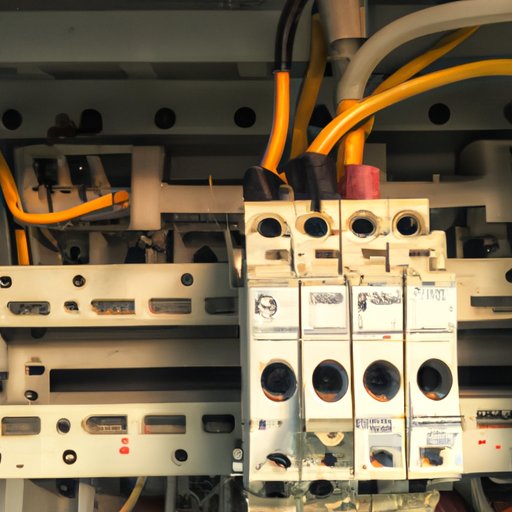
A circuit breaker is a safety device that helps protect your home from electrical hazards. It is designed to “trip” or shut off power to the AC unit when there is an overload or short-circuit. This prevents your home from being damaged by an electrical surge. The AC circuit breaker is typically located in your home’s main electrical panel.
Why is a Tripping AC Circuit Breaker a Problem?
When an AC circuit breaker trips, it means that something has caused too much electricity to flow through the system. This can lead to serious problems, such as an electrical fire or damage to the AC unit itself. In order to avoid these issues, it’s important to understand why the breaker is tripping and take steps to address the issue.
Troubleshooting the Causes of a Tripping Air Conditioner Circuit Breaker
If your AC circuit breaker is tripping, there are several potential causes. Here are some steps you can take to troubleshoot the issue:
Checking Your Home’s Electrical System
The first step is to make sure that your home’s electrical system is up to code. If the wiring is old or not properly installed, it could be causing the breaker to trip. Have a professional electrician inspect your home’s wiring to make sure everything is up to date.
Making Sure the Right Size Breaker is Installed
Another common issue is that the wrong size breaker is installed. If the breaker is too small for the amount of current flowing through the system, it will trip. Make sure that the breaker is the correct size for your AC unit.
Inspecting for Damaged Wiring
Damaged wiring can also cause the breaker to trip. Check for any loose or frayed wires, and make sure that all connections are secure. If you find any damage, have it repaired by a qualified electrician.

The Dangers of an Overloaded AC Circuit Breaker
It’s important to take steps to prevent an overloaded AC circuit breaker, as this can lead to serious problems. Here are some potential dangers of an overloaded breaker:
Potential Fire Hazards
An overloaded breaker can cause an electrical fire. According to the National Fire Protection Association, faulty electrical wiring is the leading cause of home fires in the United States. To reduce the risk of fire, be sure to inspect your home’s wiring regularly and have any repairs made by a licensed electrician.
Damage to the AC Unit
An overloaded breaker can also cause damage to the AC unit itself. If the breaker trips frequently, it can put strain on the system, which can lead to components failing prematurely. To avoid this, be sure to follow the manufacturer’s instructions for proper use and maintenance of your AC unit.

Tips for Avoiding AC Circuit Breaker Trips
Taking steps to prevent an overloaded AC circuit breaker can help keep your home safe and your AC unit running smoothly. Here are some tips for avoiding circuit breaker trips:
Don’t Overload Circuits
Avoid plugging too many appliances into a single circuit. Be sure to spread the load out across multiple circuits to avoid overloading a single one.
Make Sure the Right Sized Breaker is Installed
As mentioned before, it’s important to make sure that the right sized breaker is installed for your AC unit. If the breaker is too small, it will trip more often than it should.
Keep an Eye on Your AC Unit’s Age
Older AC units can draw more power than newer ones, so they require larger breakers. If your AC unit is getting older, it may be time to upgrade to a larger breaker.
Common Reasons Why Your AC Breakers Trip
If your AC circuit breaker trips, there are several potential causes. Here are some of the most common reasons:
Short-Circuiting
A short-circuit occurs when two wires touch each other, allowing an excessive amount of electricity to flow through the system. This can cause the breaker to trip. Make sure that all of your wiring is securely connected, and check for any exposed wires that may be touching each other.
Voltage Surges
Voltage surges occur when there is a sudden spike in the electrical current flowing through the system. This can cause the breaker to trip. To protect against voltage surges, install a surge protector to your AC unit.
Overheating
If your AC unit is working too hard, it can cause the breaker to trip due to overheating. Make sure that your AC unit is properly sized for your home and that the filter is regularly changed. You may also want to consider upgrading to a more efficient model.

What You Need to Know About Air Conditioner Breakers and Fuses
If your AC circuit breaker is tripping, you may need to replace it with a new one. Here’s what you need to know about air conditioner breakers and fuses:
Types of Breakers and Fuses
There are several different types of breakers and fuses available. Make sure to choose the right one for your AC unit. Common types include standard breakers, GFCI breakers, and AFCI breakers.
When to Replace a Breaker or Fuse
If your breaker or fuse is tripping frequently, it may need to be replaced. If the breaker or fuse shows signs of wear or damage, it should be replaced immediately.
How to Test a Breaker or Fuse
To test a breaker or fuse, you will need to use a multimeter. This tool will tell you if the breaker or fuse is functioning properly. Make sure to follow the manufacturer’s instructions when using a multimeter.
Conclusion
Troubleshooting the causes of a tripping air conditioner circuit breaker can be complicated. It’s important to understand why this happens and take steps to address the issue. Checking your home’s electrical system, making sure the right size breaker is installed, and inspecting for damaged wiring are all important steps to take. Additionally, understanding the potential dangers of an overloaded AC circuit breaker, such as fire hazards and damage to the AC unit, can help you avoid this problem in the future. Finally, knowing what type of breaker or fuse to use, when to replace them, and how to test them can help you keep your AC unit running safely and efficiently.
By following these tips, you can minimize the risk of your AC circuit breaker tripping and keep your home safe and cool.
(Note: Is this article not meeting your expectations? Do you have knowledge or insights to share? Unlock new opportunities and expand your reach by joining our authors team. Click Registration to join us and share your expertise with our readers.)