
Introduction
Bitcoin is a digital currency created in 2009 that allows users to send and receive payments without the need for a third-party intermediary. The currency is decentralized, meaning it is not controlled or regulated by any government or central authority. As of 2021, Bitcoin is the most popular cryptocurrency in the world, with a market capitalization of over $1 trillion USD.
The price of Bitcoin has been highly volatile since its inception. This means that the price of Bitcoin can fluctuate significantly in a short period of time, making it a risky investment for those who are looking to make a profit from trading it. In this article, we will explore why Bitcoin is so volatile and what factors have an impact on its price.
Analyzing the Impact of Supply and Demand on Bitcoin Price Volatility
One of the main factors that affects the price of Bitcoin is the supply and demand for it. Like other commodities, when the demand for Bitcoin increases, its price goes up, and vice versa. When the supply of Bitcoin is low, its price also tends to increase due to the law of supply and demand.
Factors Affecting Supply
The supply of Bitcoin is determined by how many coins are available on the market at any given time. This number is limited, as only 21 million Bitcoins will ever be created. This scarcity is one of the factors that drives up the price of Bitcoin, as there is a finite amount of it available to purchase. Additionally, the rate at which new coins are created is controlled by the Bitcoin protocol, which limits the speed at which new coins can enter the market.
Factors Affecting Demand
Demand for Bitcoin is affected by several factors, including investor interest, public perception, and potential use cases. As more people become aware of Bitcoin and begin to invest in it, the demand for it increases, driving up its price. Similarly, if investors become less interested in Bitcoin, the demand for it decreases, resulting in a drop in price.
Exploring the Influence of Regulatory Uncertainty on Bitcoin Price Volatility
Regulatory uncertainty is another factor that affects the price of Bitcoin. Governments around the world have taken various stances on cryptocurrencies, ranging from banning their use to embracing them as legitimate investments. This lack of clarity creates uncertainty, which can cause investors to become wary and drive down the price of Bitcoin.
History of Regulatory Action
In the early days of Bitcoin, governments were largely silent on the matter. As the currency gained popularity, however, governments started to take notice and began to issue regulations. Some countries, such as China and India, have outright banned the use of cryptocurrencies, while others, such as the United States, have taken a more hands-off approach.
Current Regulatory Environment
Today, the regulatory environment surrounding cryptocurrencies is still in flux. While some countries have taken steps to regulate them, others remain uncertain of how to proceed. This lack of clarity creates uncertainty, which can lead to increased price volatility.
Examining the Role of Speculation in Bitcoin Price Volatility
Another factor that contributes to Bitcoin’s price volatility is speculation. Speculation refers to the practice of buying and selling an asset with the expectation of making a profit from the price movement. Since the price of Bitcoin is highly volatile, it is an attractive target for speculators, who can take advantage of these fluctuations to make a quick profit.
What is Speculation?
Speculation is the act of buying and selling an asset with the expectation of making a profit from the price movement. Speculators aim to buy assets when the prices are low and sell them when the prices are high. They are often willing to take risks in order to capitalize on market fluctuations.
How Does Speculation Affect Bitcoin Price Volatility?
Speculation can have a significant impact on the price of Bitcoin. When large numbers of speculators start buying and selling Bitcoin, it can cause its price to rise or fall rapidly. This can create further volatility in the market, as speculators try to take advantage of the price movements. Additionally, speculation can lead to the creation of bubbles, where the price of Bitcoin rises quickly but then crashes just as quickly.
Investigating the Role of Media Coverage in Bitcoin Price Volatility
Media coverage is another factor that can affect the price of Bitcoin. When news outlets report on Bitcoin, it can attract the attention of both investors and speculators, who may then buy or sell the currency based on the news. This can create wild price swings, as different news stories can create different levels of optimism or pessimism in the market.
The Relationship Between Media Attention and Bitcoin Price Volatility
The media plays an important role in shaping public perception of Bitcoin. Positive news stories can create excitement and optimism, leading to increased demand and higher prices. Conversely, negative news stories can cause investors to become wary and sell off their holdings, resulting in lower prices. This can create a cycle of volatility, as the media coverage itself can lead to more price swings.
How Can Media Coverage Increase Bitcoin Price Volatility?
Media coverage can increase Bitcoin price volatility in several ways. First, it can create hype around the currency, which can lead to a surge in demand and a corresponding increase in price. Second, it can create fear and uncertainty, leading to a sell-off and a decrease in price. Finally, it can draw the attention of speculators, who may buy or sell the currency based on the news, creating further volatility.
Assessing the Impact of Technical Factors on Bitcoin Price Volatility
Technical factors can also influence the price of Bitcoin. These include network hash rate, block size, transaction fees, and other related metrics. These factors can affect the cost and speed of transactions, which can in turn affect the demand for Bitcoin and its price.
Network Hash Rate
The network hash rate is a measure of the computing power of the Bitcoin network. A higher hash rate indicates that more miners are competing to solve blocks, which can lead to faster transactions and lower transaction fees. This can increase the demand for Bitcoin, driving up its price.
Block Size
The block size is the maximum amount of data that can be stored in a single block on the blockchain. If the block size is too small, then transactions can take longer to process, leading to higher fees and slower transactions. This can reduce the demand for Bitcoin, causing its price to drop.
Transaction Fees
Transaction fees are paid by users to miners in order to incentivize them to include their transactions in the next block. If the fees are too high, then users may opt to use other cryptocurrencies or payment methods, which can reduce the demand for Bitcoin and its price.
Investigating the Relationship Between Bitcoin Price Volatility and Market Sentiment
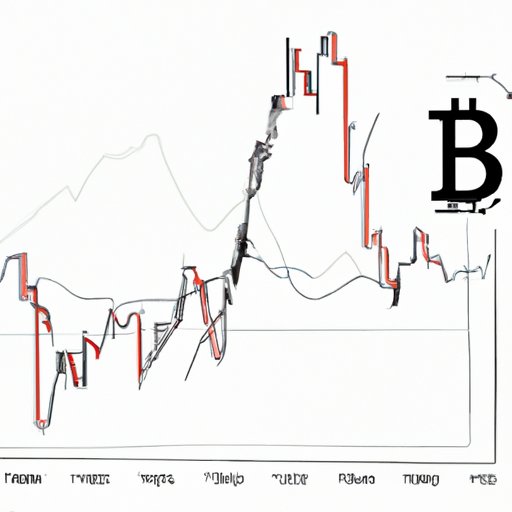
Market sentiment is another factor that can influence the price of Bitcoin. Market sentiment refers to the collective attitude of investors towards a particular asset. If investors are feeling optimistic about an asset, they may be more likely to buy it, driving up its price. Conversely, if investors are feeling pessimistic, they may be more likely to sell, driving down its price.
Different Types of Market Sentiment
There are several types of market sentiment that can affect the price of Bitcoin. Bullish sentiment refers to a positive outlook on the future of an asset, while bearish sentiment refers to a negative outlook. Additionally, investors can be neutral, meaning they do not have a strong opinion either way.
How Market Sentiment Influences Bitcoin Price Volatility
Market sentiment can have a major impact on the price of Bitcoin. If investors are feeling optimistic, they may be more likely to buy, driving up the price. Conversely, if investors are feeling pessimistic, they may be more likely to sell, driving down the price. This can create a cycle of volatility, as changes in sentiment can lead to rapid price movements.
Conclusion
In conclusion, Bitcoin is a highly volatile asset, and its price can fluctuate significantly in a short period of time. There are several factors that can influence its price volatility, including supply and demand, regulatory uncertainty, speculation, media coverage, technical factors, and market sentiment. By understanding these factors, investors can better understand why Bitcoin is so volatile and make informed decisions when investing in it.
(Note: Is this article not meeting your expectations? Do you have knowledge or insights to share? Unlock new opportunities and expand your reach by joining our authors team. Click Registration to join us and share your expertise with our readers.)