

Introduction: Why Is Air Travel So Bad Right Now?
Air travel is one of the most popular modes of transportation in the world. It’s a convenient way to get around, especially for international trips. However, recent years have seen a decline in the quality of air travel experiences, leading many to ask: why is air travel so bad right now?
This article will explore this question in depth, looking at the various challenges faced by air travelers, such as increased security measures, overcrowded airports and planes, cancellations and delays, lack of customer service, uncomfortable seats, and high cost of airfare. For each issue, potential solutions will be discussed that can help make flying more enjoyable for everyone.
Increased Security Measures
In the wake of the September 11th terrorist attacks, airport security has become much stricter. Passengers must go through metal detectors, take off their shoes, and even submit to pat-downs. All of this adds up to a lot of extra time spent in line, which can be stressful and annoying for travelers. According to a 2017 survey by the Global Business Travel Association, 79 percent of business travelers find the current security measures inconvenient and overly time consuming.
The U.S. Transportation Security Administration (TSA) has implemented several new technologies in an effort to make security screenings more efficient. These include advanced imaging technology, automated screening lanes, and PreCheck, which allows passengers who have been pre-approved to move through security faster. While these measures have had some success, there is still room for improvement.
Potential solutions for travelers include booking flights with longer layovers, taking advantage of PreCheck if available, and packing lightly to speed up the screening process. Additionally, travelers should arrive early at the airport to allow for plenty of time to get through security.
Crowded Airports and Planes
Airports and airplanes are often overcrowded, making them uncomfortable and unpleasant places to be. Airlines frequently overbook flights, leaving passengers without a seat or having to wait until a later flight. Additionally, airports often don’t have enough seating or amenities, such as charging stations or food options, for all of the passengers.
One way to alleviate overcrowding is for airlines to reduce the number of flights they offer. They could also invest in larger airports and more amenities to accommodate the increasing number of travelers. Additionally, airlines should work to improve their boarding processes to make them more efficient.
Cancellations and Delays
Cancellations and delays are an unfortunate reality of air travel. The causes of these disruptions vary, from bad weather to mechanical issues. Regardless of the cause, they can be incredibly frustrating for passengers, who may have to spend hours waiting for their flight or find alternative means of transportation.
Airlines should do a better job of communicating with passengers about delays and cancellations. They should also provide more information about the cause of the delay and estimated wait times. Additionally, airlines should look into ways to minimize the frequency and duration of delays and cancellations, such as investing in newer aircraft and improving maintenance procedures.
Lack of Airline Customer Service
Customer service from airlines has declined in recent years, leaving many travelers feeling frustrated and unappreciated. A 2018 survey by J.D. Power found that only 30 percent of passengers were satisfied with their airline’s customer service. This is largely due to long wait times on the phone, unhelpful customer service agents, and a lack of transparency when it comes to fees and policies.
To improve customer service, airlines should focus on providing better training to their customer service agents and invest in modern communication tools, such as chatbots. Additionally, airlines should work to make their policies and fees more transparent and easier to understand.
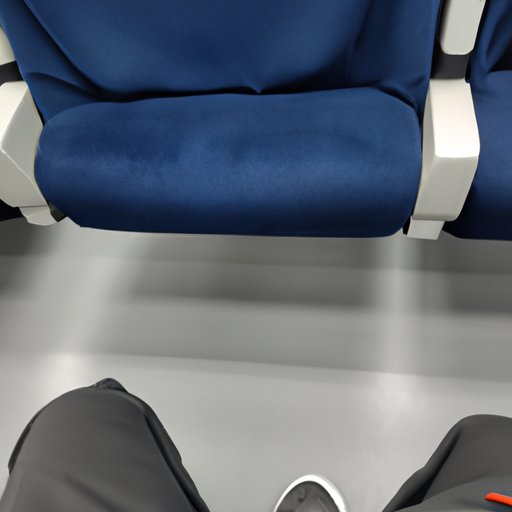
Uncomfortable Seats and Lack of Personal Space
Economy class seating is often cramped and uncomfortable, making air travel an unpleasant experience. Many passengers feel like they don’t have enough personal space, as the seats are close together and there is limited legroom. This can be especially difficult for taller passengers.
One solution is for airlines to invest in more comfortable seating, such as reclining seats and adjustable headrests. Additionally, airlines should look into ways to increase legroom in economy class, such as removing rows of seats or installing seatbelts with longer straps.
High Cost of Airfare
The cost of airfare continues to rise, making it difficult for many people to afford to fly. Factors such as fuel prices, taxes, and competition between airlines all play a role in determining ticket prices. Additionally, airlines are increasingly charging fees for things that used to be included in the price of a ticket, such as checked bags and seat selection.
To combat rising airfares, travelers should look for deals and discounts offered by airlines. Additionally, they should be aware of hidden fees and plan accordingly. Finally, travelers should consider flying during off-peak hours or days to save money.
Conclusion
Air travel can be a stressful and unpleasant experience for many travelers. This article has explored the various challenges they face, such as increased security measures, overcrowded airports and planes, cancellations and delays, lack of customer service, uncomfortable seats, and high cost of airfare. Fortunately, there are solutions to each of these issues that can help make air travel more enjoyable.
It’s important to remember that air travel is still a convenient and relatively safe mode of transportation. With the right preparation and a little bit of patience, air travel can be an enjoyable experience for everyone.
(Note: Is this article not meeting your expectations? Do you have knowledge or insights to share? Unlock new opportunities and expand your reach by joining our authors team. Click Registration to join us and share your expertise with our readers.)