
Introduction
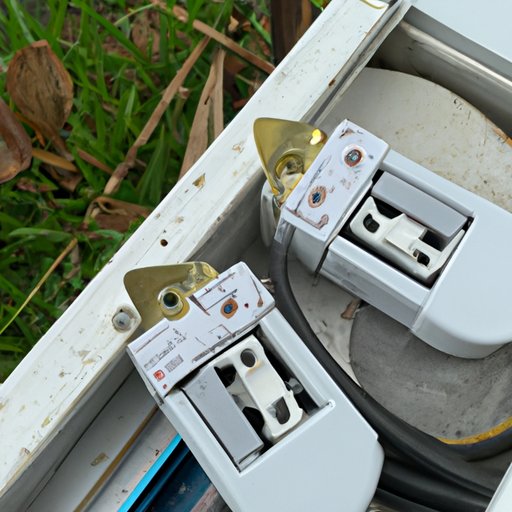
Ground Fault Circuit Interrupters (GFCIs) are life-saving devices designed to protect people from electric shock and reduce the risk of fires caused by faulty wiring. They are required in many areas both indoors and outdoors to ensure the safety of people and property. In this article, we will explore why an outdoor GFCI may keep tripping and how to troubleshoot the issue.

Analyzing Common Causes of Outdoor GFCI Keep Tripping
There are several common causes of an outdoor GFCI that keeps tripping. It is important to identify the cause of the problem in order to take the appropriate steps to fix it.
Faulty Wiring
Faulty wiring is one of the most common causes of an outdoor GFCI that keeps tripping. It can be caused by loose connections, damaged wires, or exposed wiring. If the wiring is not properly connected or installed, it can cause electricity to flow through the ground rather than through the circuit, which will trip the GFCI.
Electrical Overload
Another common cause of an outdoor GFCI that keeps tripping is an electrical overload. This occurs when too many appliances or devices are plugged into the same outlet or circuit at once. The GFCI trips to protect against potential fire hazards or shocks.
Age and Wear
Finally, age and wear can cause an outdoor GFCI to keep tripping. As with any device, over time the components can wear out and become less effective. This can cause the GFCI to trip more frequently and need to be replaced.
How to Troubleshoot an Outdoor GFCI That Keeps Tripping
If you have identified the cause of the problem as one of the three listed above, there are some steps you can take to troubleshoot the issue.
Isolating the Problem Circuit
The first step in troubleshooting an outdoor GFCI that keeps tripping is to isolate the problem circuit. This means turning off all power to the circuit and then unplugging all devices and appliances from the outlet or circuit. Then, turn the power back on and see if the GFCI trips again.
Testing for Voltage Drop
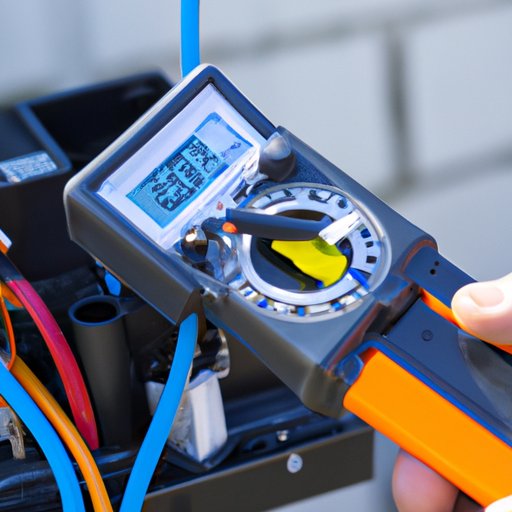
If the GFCI still trips after isolating the problem circuit, you should test for voltage drop. This can be done using a voltage tester. If the voltage drops below 120 volts, this indicates that there is a problem with the wiring and it needs to be repaired or replaced.
Inspecting the Outlet Itself
Finally, inspect the outlet itself for any signs of damage or wear. If the outlet is cracked, broken, or has exposed wires, it needs to be replaced.

Understanding the Safety Benefits of Outdoor GFCIs
It is important to understand the safety benefits of outdoor GFCIs in order to appreciate their importance. According to the National Electrical Code, “GFCIs should be installed in wet or damp locations to provide additional protection against electric shock.”
Protection from Electric Shock
One of the main benefits of outdoor GFCIs is their ability to provide protection from electric shock. If a person comes into contact with an energized surface, the GFCI will detect the current leak and shut off power to the outlet before the person can be harmed.
Prevention of Fires
Outdoor GFCIs can also help prevent fires by detecting and disconnecting power when it senses an overload or short circuit. This helps to protect people and property from the dangers of electrical fires.
Improved Grounding
Finally, outdoor GFCIs provide improved grounding for outdoor electrical systems. This helps to reduce the risk of electrocution and other dangerous situations.

Explaining the Steps to Reset an Outdoor GFCI
If you have identified the cause of the problem and taken the appropriate steps to fix it, you can reset the outdoor GFCI. Here are the steps to reset an outdoor GFCI.
Locate the Reset Button
First, locate the reset button on the GFCI. It is usually located near the bottom of the outlet, but it can vary depending on the model.
Check the Circuit Breaker
Next, check the circuit breaker to make sure it is in the “on” position. If it is not, flip it to the “on” position.
Press the Reset Button
Finally, press the reset button on the GFCI. If the light on the outlet turns green, then the GFCI has been successfully reset.
Tips for Protecting Your Outdoor Electrical System from Overloads
To help prevent an outdoor GFCI from tripping due to an electrical overload, here are some tips for protecting your outdoor electrical system.
Upgrade Your Outdoor Outlets
If your outdoor outlets are outdated, consider upgrading them to more modern models. Modern outlets are designed to handle higher loads and can help prevent overloads.
Use a Surge Protector
You should also consider using a surge protector to protect your outdoor electrical system from power surges. This will help to protect your appliances and devices from being damaged by sudden spikes in power.
Avoid Overloading Circuits
Finally, avoid overloading circuits by only plugging in the number of devices and appliances that the circuit can handle. This will help to prevent an overload and reduce the risk of an electrical fire.
A Guide to Installing a New Outdoor GFCI
If the old GFCI is beyond repair or too worn out to be effective, you may need to install a new one. Here is a guide to installing a new outdoor GFCI.
Choose the Right Model
First, choose the right model for your needs. Make sure it is rated for outdoor use and meets all local codes and regulations.
Prepare the Outlet Box
Next, prepare the outlet box by removing the old GFCI and any debris. Make sure the box is clean and dry before proceeding.
Connect the Wires
Finally, connect the wires to the new GFCI according to the manufacturer’s instructions. Make sure all connections are secure and tight.
How to Test an Outdoor GFCI to Ensure Proper Functionality
Once you have installed the new GFCI, you should test it to ensure proper functionality. Here is how to test an outdoor GFCI.
Locate the Test Button
First, locate the test button on the GFCI. It is usually located near the top of the outlet.
Push the Test Button
Next, push the test button. If the GFCI is functioning properly, the light on the outlet should turn red and the power should shut off.
Observe the Results
Finally, observe the results. If the light turns green and the power comes back on, then the GFCI is working properly.
Conclusion
In conclusion, outdoor GFCIs are essential for ensuring the safety of people and property. If your outdoor GFCI keeps tripping, it is important to identify the cause of the problem and take the appropriate steps to fix it. This includes troubleshooting the issue, resetting the GFCI, and installing a new one if necessary. Finally, remember to test the GFCI to ensure proper functionality.
(Note: Is this article not meeting your expectations? Do you have knowledge or insights to share? Unlock new opportunities and expand your reach by joining our authors team. Click Registration to join us and share your expertise with our readers.)