
Introduction
Exercising is an important part of staying healthy and maintaining a fit lifestyle. Walking is one of the most popular forms of exercise, as it’s easy to do and doesn’t require any special equipment or skill. However, some people find that their hands become swollen after walking for exercise. In this article, we’ll explore why this happens and discuss strategies to reduce the swelling.
Exploring the Causes of Exercise-Related Swelling in the Hands
There are a few different factors that can cause your hands to swell during exercise. Let’s take a look at each of these in more detail.
Physiological Reasons
The main physiological reason your hands may swell during exercise is due to fluid retention. This can be caused by a variety of factors, such as dehydration or electrolyte imbalances. Additionally, strenuous exercise can cause your body to release certain hormones that can lead to increased water retention.
Environmental Factors
Environmental factors can also play a role in exercise-related swelling in the hands. For example, if you are exercising outdoors in hot weather, your body may have difficulty regulating its temperature, leading to increased sweating and fluid retention. Additionally, if you are exercising at high altitudes, the air pressure can cause fluid to pool in your extremities, resulting in swelling.
Other Contributing Factors
There are several other factors that can contribute to exercise-related swelling in the hands. These include venous insufficiency, an underlying medical condition that prevents blood from flowing properly throughout your body; poor circulation; and arthritis. It’s important to note that if you have any of these conditions, you should consult your doctor before engaging in any kind of physical activity.
The Benefits of Walking for Exercise and How to Avoid Swelling in the Hands
Walking is a great form of exercise, as it’s low impact and can be done almost anywhere. It’s also a convenient way to get your daily dose of physical activity, as you don’t need any special equipment or skills. Additionally, walking can help improve cardiovascular health, strengthen bones and muscles, and boost your mood.
In order to minimize swelling in the hands while walking for exercise, it’s important to stay hydrated and wear clothing that is breathable and wicks away sweat. Additionally, it’s important to warm up and cool down properly before and after exercise, as this helps keep your body temperature regulated.

Understanding Why Your Hands Swell When You Walk for Exercise
As we discussed earlier, there are a few different reasons why your hands may swell when you walk for exercise. Let’s take a closer look at two of the most common causes: fluid retention and venous insufficiency.
Fluid Retention
Fluid retention is a common cause of exercise-related swelling in the hands. As we mentioned earlier, this can be caused by a variety of factors, such as dehydration or electrolyte imbalances. Additionally, strenuous exercise can cause your body to release certain hormones that can lead to increased water retention.
Venous Insufficiency
Venous insufficiency is a condition in which the veins in your body are unable to pump enough blood back to your heart. This can result in pooling of blood in your extremities, which can lead to swelling in the hands. If you think you may have this condition, it’s important to consult your doctor before engaging in any kind of physical activity.

Tips for Managing Swelling in the Hands During Exercise
If your hands tend to swell during exercise, there are a few things you can do to minimize the swelling. Here are some tips to keep in mind:
Proper Hydration
It’s important to stay hydrated before, during, and after exercise. This will help prevent fluid retention and keep your body temperature regulated.
Proper Clothing
Make sure you wear clothing that is breathable and wicks away sweat. This will help keep your body temperature regulated and minimize fluid retention.
Proper Warm-up and Cool-down
Make sure to warm up and cool down properly before and after exercise. This will help keep your body temperature regulated and minimize fluid retention.

Strategies to Minimize Hand Swelling During Exercise Walks
In addition to the tips above, there are a few other strategies you can use to minimize hand swelling during exercise walks. These include pre-exercise massage, compression gloves, and elevation.
Pre-Exercise Massage
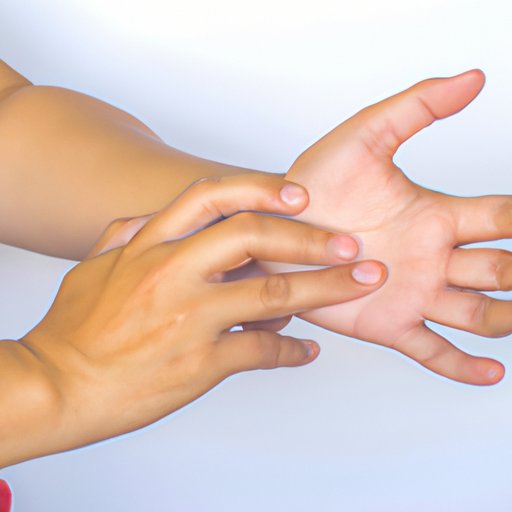
A pre-exercise massage can help loosen tight muscles and improve circulation, which can help reduce swelling in the hands. Make sure to use light pressure and focus on the areas where you experience the most swelling.
Compression Gloves
Compression gloves can help reduce swelling in the hands by increasing circulation and reducing fluid retention. They can also provide support for the joints and muscles, which can help reduce pain.
Elevation
Elevating your hands while walking can help reduce swelling by promoting better circulation. Try to maintain a comfortable angle between your arms and torso while walking.
Conclusion
Swelling in the hands can be an uncomfortable side effect of walking for exercise. While the exact cause of this swelling can vary from person to person, it’s often due to fluid retention or venous insufficiency. To minimize swelling in the hands, it’s important to stay hydrated, wear appropriate clothing, and warm up and cool down properly. Additionally, pre-exercise massage, compression gloves, and elevation can all help reduce swelling in the hands during walks.
By understanding why your hands swell when you walk for exercise and taking the necessary steps to prevent and manage the swelling, you can continue to enjoy the many benefits of walking without discomfort.
(Note: Is this article not meeting your expectations? Do you have knowledge or insights to share? Unlock new opportunities and expand your reach by joining our authors team. Click Registration to join us and share your expertise with our readers.)