
Introduction
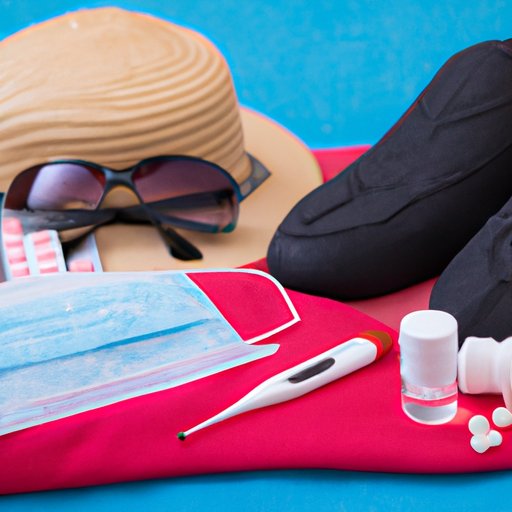
Traveling is an exciting and enriching experience, but it can also come with some risks. For many people, one of the most common risks associated with travel is getting sick. Whether it’s a cold, flu, or something more serious, getting sick when you’re away from home can be a major inconvenience, not to mention potentially dangerous. So why do so many people get sick when they travel? This article will explore the common triggers of travel-related illness, as well as the protective measures that can be taken before and during travel to reduce the risk of falling ill.
Identifying Common Triggers of Travel-Related Illness
There are several common triggers of travel-related illness that should be taken into consideration when planning a trip. These include changes in climate, unfamiliar foods and water, increased stress and anxiety, and pre-existing health conditions.
Changes in Climate
One of the most common triggers of travel-related illness is a change in climate. Going from a colder climate to a warmer one, or vice versa, can cause the body to go through a period of adjustment. During this adjustment period, the body is vulnerable to illnesses like colds and flus, which can be exacerbated by the changes in temperature and humidity.
Unfamiliar Foods and Water
Eating unfamiliar foods and drinking contaminated water are also major risks when traveling. In some parts of the world, food and water may contain bacteria or other contaminants that can make you sick. Eating food that has been improperly prepared or stored can also increase your risk of getting sick.
Increased Stress and Anxiety
Traveling can be a stressful experience, especially if you’re going to a new place for the first time. This increased stress and anxiety can weaken the immune system, leaving you vulnerable to illness. Stress can also cause digestive issues, which can lead to stomach problems and other illnesses.
Pre-Existing Health Conditions
If you have any pre-existing health conditions, such as allergies, asthma, or diabetes, you may be more susceptible to getting sick while traveling. It’s important to take extra precautions when traveling if you have any of these conditions.
Exploring the Role of Stress and Anxiety in Weakening the Immune System
It’s important to understand how stress and anxiety can affect the immune system and make you more vulnerable to illness. When the body is under stress, it produces hormones that can weaken the immune system, making it less effective at fighting off infections and illnesses. This is why it’s so important to take steps to reduce stress and anxiety before and during travel.
Effects of Stress on the Body
Stress can have a number of negative effects on the body. It can cause headaches, fatigue, muscle tension, difficulty sleeping, and a weakened immune system. All of these can increase your risk of getting sick.
Ways to Reduce Stress Before and During Travel
To reduce stress before and during travel, it’s important to plan ahead and be prepared. Make sure you have all the necessary documents and items for your trip, such as a valid passport, tickets, and insurance. It’s also important to get enough rest before and during your trip, eat healthy meals, and stay hydrated. Taking regular breaks during your journey can also help reduce stress levels.
Discussing the Benefits of Taking Protective Measures Before and During Travel
Taking protective measures before and during travel can help reduce the risk of getting sick. Wearing protective clothing, eating and drinking safely, and getting vaccinated are all important steps to take.
Wearing Protective Clothing
Wearing protective clothing, such as long sleeves and pants, can help protect against mosquito-borne illnesses, sunburns, and other environmental hazards. It’s also important to wear sunscreen, hats, and sunglasses to protect yourself from the sun’s harmful rays.
Eating and Drinking Safely
Eating and drinking safely is essential when traveling. Stick to bottled water and avoid tap water or ice cubes made from tap water. Be sure to only eat food that has been cooked thoroughly and served hot. Avoid uncooked fruits and vegetables unless you’re certain they’ve been washed properly.
Getting Vaccinated
Getting vaccinated before traveling can help protect you from illnesses that are common in certain areas. Consult with a doctor to determine which vaccinations are recommended for your destination.
Examining the Impact of Changes in Climate, Food, and Water on Health
Changes in climate, food, and water can all have a significant impact on health. Temperature extremes, unfamiliar foods and drinks, and contaminated water can all increase the risk of getting sick.
Temperature Extremes
Extreme temperatures, either too hot or too cold, can put a strain on the body and make you more vulnerable to illness. It’s important to keep your body temperature regulated while traveling by wearing appropriate clothing and taking regular breaks to cool down or warm up.
Unfamiliar Foods and Drinks
Eating unfamiliar foods and drinks can increase the risk of getting sick. To reduce the risk, stick to foods that have been cooked thoroughly and served hot, and avoid uncooked fruits and vegetables unless you’re certain they’ve been washed properly. When it comes to drinks, stick to bottled water and avoid tap water or ice cubes made from tap water.
Contaminated Water
Drinking contaminated water can increase the risk of getting sick. To reduce the risk, always drink bottled water and avoid tap water or ice cubes made from tap water. It’s also important to check with your doctor or local health department to find out if there are any water safety warnings for your destination.
Assessing the Role of Pre-Existing Health Conditions in Making You Vulnerable to Illness
If you have any pre-existing health conditions, such as allergies, asthma, or diabetes, you may be more vulnerable to illness while traveling. It’s important to take extra precautions if you have any of these conditions. Be sure to bring all necessary medications and supplies with you, and consult with a doctor before traveling to make sure you’re prepared.
Conclusion
Getting sick when you travel is a common problem, but it doesn’t have to be inevitable. By understanding the common triggers of travel-related illness, such as changes in climate, unfamiliar foods and water, increased stress and anxiety, and pre-existing health conditions, and taking protective measures before and during travel, you can reduce your risk of getting sick while away from home.
Summary of Key Points
In summary, there are several common triggers of travel-related illness, including changes in climate, unfamiliar foods and water, increased stress and anxiety, and pre-existing health conditions. Taking protective measures before and during travel, such as wearing protective clothing, eating and drinking safely, and getting vaccinated, can help reduce the risk of getting sick. It’s also important to take extra precautions if you have any pre-existing health conditions.
Recommendations for Preventing Travel-Related Illness
To reduce the risk of getting sick while traveling, it’s important to plan ahead and be prepared. Wear protective clothing, eat and drink safely, and get vaccinated if necessary. Take steps to reduce stress and anxiety before and during travel, and take extra precautions if you have any pre-existing health conditions. By following these recommendations, you can minimize your risk of getting sick while traveling.
(Note: Is this article not meeting your expectations? Do you have knowledge or insights to share? Unlock new opportunities and expand your reach by joining our authors team. Click Registration to join us and share your expertise with our readers.)