
Introduction
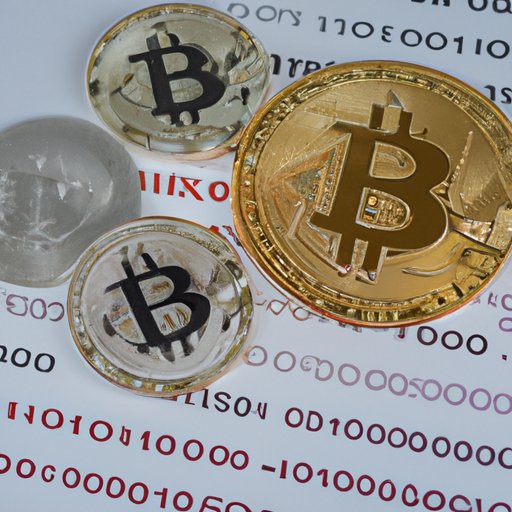
In recent years, Bitcoin has become one of the most popular alternative investments. But what is Bitcoin exactly, and why should you consider investing in it? In this article, we’ll explore the benefits of buying Bitcoin, as well as its potential risks. We’ll also compare it to other cryptocurrencies so that you can make an informed decision about whether or not to invest.
Definition of Bitcoin
Bitcoin is a digital currency that exists only online. It was created in 2009 by an unknown person or group of people using the pseudonym Satoshi Nakamoto. Unlike traditional currencies, Bitcoin is decentralized, meaning that it is not controlled by any government or financial institution. Instead, it operates on a distributed ledger system known as the blockchain, which is maintained by a network of computers around the world.
Overview of the Problem
The primary benefit of investing in Bitcoin is its potential for high returns. Since its inception, the value of Bitcoin has risen dramatically, making it an attractive option for investors who are looking for quick profits. However, there are also some risks associated with investing in Bitcoin. These include its volatility, lack of regulation, and the risk of fraud or theft. As with any investment, it’s important to do your research before investing in Bitcoin.

Analyzing the Benefits of Bitcoin as an Investment
There are several reasons why investing in Bitcoin can be beneficial. Let’s take a closer look at each of them:
Accessibility
One of the biggest advantages of investing in Bitcoin is its accessibility. Unlike traditional investments, Bitcoin can be purchased and sold quickly and easily. All you need is an internet connection and a wallet to store your coins. This makes it much easier for investors to get involved in the market without having to go through the hassle of setting up a brokerage account.
Volatility
Another benefit of investing in Bitcoin is its volatility. While this can be a downside if you’re looking for stability, it can also be an advantage if you’re looking for quick profits. The value of Bitcoin tends to fluctuate rapidly, which means that savvy investors can take advantage of short-term opportunities to make a profit.
Decentralization
Finally, Bitcoin is decentralized, meaning that it is not controlled by any central authority. This gives investors more control over their investments, as they can make decisions without having to worry about government regulations or interference from financial institutions.

Exploring the Use Cases for Bitcoin
In addition to being an investment, Bitcoin has several practical use cases. Let’s take a look at some of them:
Payments
One of the most popular uses for Bitcoin is as an electronic payment system. Because it is decentralized, Bitcoin transactions are fast and secure. Furthermore, because it is not tied to any particular country or currency, it can be used to make payments anywhere in the world.
Remittance
Another popular use for Bitcoin is as a remittance service. Because it is not tied to any particular currency, it can be used to send money across borders quickly and cheaply. This makes it an attractive option for those who need to send money to friends or family abroad.
Investing
Finally, Bitcoin can be used as an investment. As mentioned earlier, its price tends to fluctuate rapidly, meaning that savvy investors can take advantage of short-term opportunities to make a profit. Furthermore, because it is decentralized, investors have more control over their investments.
Examining the Security of Bitcoin Transactions
In order to understand why Bitcoin is such a secure form of payment, it’s important to understand the technology behind it. Bitcoin transactions are secured through the use of two technologies: blockchain and cryptography.
Advantages of Blockchain Technology
The first technology behind Bitcoin is called blockchain. Blockchain is a distributed ledger system that records all Bitcoin transactions. It is designed to be secure, transparent, and immutable, meaning that transactions cannot be altered or reversed once they have been recorded on the blockchain. This ensures that all Bitcoin transactions are secure and protected from fraud or manipulation.
Private Keys and Cryptography
The second technology behind Bitcoin is cryptography. Cryptography is used to protect the private keys associated with each Bitcoin address. Private keys are like passwords that allow users to access their Bitcoin wallets. By encrypting these keys, users can ensure that only they have access to their funds.

Comparing Bitcoin to Other Cryptocurrencies
While Bitcoin is the most popular cryptocurrency, there are many other types of digital currencies available. Let’s take a look at some of the most popular ones and how they compare to Bitcoin:
Comparison of Popular Cryptocurrencies
Ethereum is the second largest cryptocurrency after Bitcoin. It is similar to Bitcoin in that it is decentralized and based on blockchain technology. However, Ethereum has some unique features, such as smart contracts, that set it apart from Bitcoin.
Ripple is another popular cryptocurrency. Unlike Bitcoin and Ethereum, Ripple is centralized, meaning that it is controlled by a single company. Its main use case is as a payment network, and it has recently seen increased adoption among banks and other financial institutions.
Litecoin is another digital currency that is similar to Bitcoin. It has faster transaction times than Bitcoin, as well as lower fees. However, Litecoin is not as widely accepted as Bitcoin and is not as widely traded on exchanges.
Pros and Cons of Each Currency
Each of these cryptocurrencies has its own advantages and disadvantages. When deciding which one to invest in, it’s important to weigh the pros and cons of each one. For example, Bitcoin is the most popular and widely accepted cryptocurrency, but its transaction fees can be quite high. On the other hand, Ethereum has some unique features, but it is not as widely accepted as Bitcoin. Ultimately, it’s up to you to decide which cryptocurrency is best for your needs.
Taking a Look at Bitcoin’s Future Potential
While Bitcoin has seen significant growth in recent years, its future potential is still uncertain. There are several factors that could influence its future, both positively and negatively. Let’s take a look at some of them:
What Could Hold Bitcoin Back
One of the biggest threats to Bitcoin is government regulation. If governments decide to crack down on the use of Bitcoin, it could have a negative impact on its value. Additionally, the lack of mainstream acceptance could also limit its potential growth. Finally, the inherent volatility of Bitcoin could make it difficult for it to gain widespread adoption.
What Could Push Bitcoin Forward
On the other hand, there are also several factors that could push Bitcoin forward. For example, continued innovation and development of the technology could lead to increased adoption. Additionally, more businesses accepting Bitcoin as a form of payment could help to increase its legitimacy. Finally, increased investment from institutional investors could help to stabilize the price of Bitcoin.
Conclusion
In conclusion, investing in Bitcoin can be a lucrative endeavor, but it is important to understand the risks associated with it. It is also important to understand the technology behind it, as well as the various use cases for Bitcoin. Finally, it is important to consider the potential future of Bitcoin and the factors that could influence its success. Ultimately, the decision to invest in Bitcoin is yours, and it is important to do your own research before making any decisions.
Summary of Key Points
This article explored why buy Bitcoin, analyzing the benefits of investing in cryptocurrency and its use cases for payments, remittance, and investing. It examined the security of Bitcoin transactions and compared Bitcoin to other cryptocurrencies. Finally, we took a look at Bitcoin’s future potential. Ultimately, it is important to do your own research before making any decisions about investing in Bitcoin.
Final Thoughts
Investing in Bitcoin can be a lucrative endeavor, but it is important to understand the risks associated with it. It is also important to understand the technology behind it, as well as the various use cases for Bitcoin. Finally, it is important to consider the potential future of Bitcoin and the factors that could influence its success. Ultimately, the decision to invest in Bitcoin is yours, and it is important to do your own research before making any decisions.
(Note: Is this article not meeting your expectations? Do you have knowledge or insights to share? Unlock new opportunities and expand your reach by joining our authors team. Click Registration to join us and share your expertise with our readers.)