
Introduction
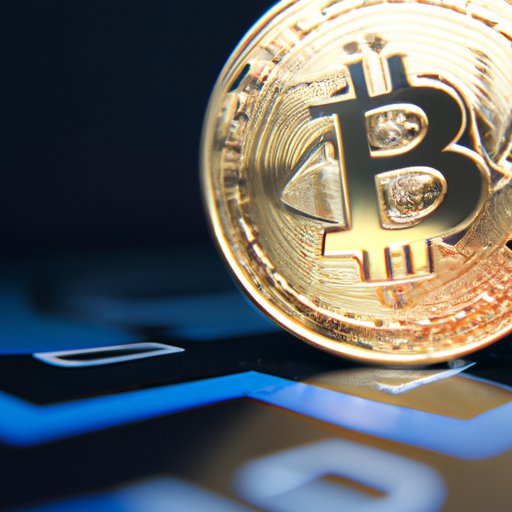
Bitcoin is a digital currency created in 2009 by an anonymous individual or group using the pseudonym Satoshi Nakamoto. It has gained widespread attention over the last decade due to its unique features, such as decentralized control, immutability, and a fixed supply of 21 million coins. As of 2021, Bitcoin has a market capitalization of over $1 trillion USD.
The Problem: Why are Bitcoins Worth So Much? This is a question that has been asked by both skeptics and enthusiasts alike, yet there is no single answer to this query. In this article, we will explore the various factors behind Bitcoin’s high market value and evaluate its use cases.
Analyzing Bitcoin’s Market Capitalization
Before we can answer why Bitcoin is worth so much, it’s important to understand what market capitalization is. Market capitalization, also known as market cap, is a metric used to measure the total value of a company or cryptocurrency. It’s calculated by multiplying the total number of shares or coins outstanding by the current price of one share or coin.
When it comes to Bitcoin, its market capitalization is determined by the total number of coins in circulation multiplied by the current price of one Bitcoin. As of 2021, there are nearly 18.7 million bitcoins in circulation, with each one trading at an average of around $55,000 USD. This puts the total market capitalization of Bitcoin at around $1 trillion USD.

Exploring the Benefits of Bitcoin Over Other Forms of Currency
The primary benefit of Bitcoin over other forms of currency is its low transaction costs. Because Bitcoin transactions are processed on a decentralized network, they are not subject to the same fees associated with credit card and bank transfers. Additionally, Bitcoin transactions are relatively fast, with most being completed within minutes.
Another benefit of Bitcoin is its greater privacy and security. Transactions are anonymous and encrypted, making them virtually impossible to trace. This makes it difficult for hackers to steal funds or for governments to track citizens’ spending habits.
Finally, Bitcoin offers increased liquidity compared to other forms of currency. Because Bitcoin is traded on exchanges around the world, it can be easily converted into different currencies or assets. This makes it easier to buy, sell, and trade Bitcoin than other forms of currency.
Examining the Scarcity of Bitcoins
One of the key factors behind Bitcoin’s high market value is its limited supply. There will never be more than 21 million bitcoins in existence, and as of 2021, nearly 18.7 million have already been mined. This makes it difficult for miners to obtain new coins, which contributes to their scarcity and high market value.
Additionally, mining for new coins is becoming increasingly difficult as the network becomes more secure. This means that the rate of new coins entering the market is slowing down, further contributing to their scarcity and increasing their value.

Investigating the Impact of Bitcoin on Global Markets
Since its inception, Bitcoin has had a significant impact on the global financial landscape. Its introduction of a decentralized digital currency has disrupted traditional banking systems and challenged traditional notions of money. Additionally, it has opened the door for other digital currencies to enter the market, such as Ethereum and Litecoin.
Furthermore, its potential for global adoption could revolutionize the way people use money. If more countries begin to recognize and accept Bitcoin as a legitimate form of currency, its value could skyrocket even further.
Understanding Bitcoin’s High Demand and Limited Supply
The combination of Bitcoin’s high demand and limited supply is another major factor behind its high market value. Bitcoin’s popularity has grown significantly in recent years, with more individuals and institutions investing in the currency. This high demand, coupled with its limited supply, has driven up its price.
The price of Bitcoin is also affected by other factors, such as news about regulation and adoption, macroeconomic conditions, and the performance of other cryptocurrencies. All of these factors contribute to the volatility of Bitcoin’s price, which adds to its appeal as a speculative investment.

Evaluating the Use Cases for Bitcoin
In addition to its potential as an investment opportunity, there are several other use cases for Bitcoin. For example, its low transaction costs make it an ideal payment method for online purchases. Additionally, its decentralized nature makes it a reliable store of value, as it’s less prone to manipulation than other forms of currency.
Finally, Bitcoin can be used as a hedge against inflation. Inflation occurs when the value of a currency decreases due to an increase in the amount of money in circulation. By holding Bitcoin, individuals can protect themselves against the devaluation of their local currency.
Assessing Bitcoin’s Role as a Hedge Against Inflation
In order to understand why Bitcoin can serve as a hedge against inflation, it’s important to first define what inflation is. Inflation is the sustained increase in the general price level of goods and services. This decrease in purchasing power can have a negative impact on an economy, leading to higher unemployment, slower economic growth, and reduced wages.
By holding Bitcoin, individuals can protect themselves against the devaluation of their local currency. Since Bitcoin is not tied to any particular country, its value is not impacted by changes in the local economy. Additionally, its limited supply ensures that its value will remain stable over time. This makes it an attractive option for those looking to protect themselves from the effects of inflation.
Conclusion
In conclusion, Bitcoin’s high market value can be attributed to several factors, including its potential for global adoption, its role as a hedge against inflation, and its low transaction costs and increased liquidity. Additionally, its limited supply and high demand contribute to its scarcity and high market value. Finally, its use cases as both an investment opportunity and a payment method further add to its appeal.
It’s clear that Bitcoin has emerged as a revolutionary form of digital currency that has the potential to disrupt the global financial system. As more individuals and institutions invest in Bitcoin, its value is likely to continue to rise. As such, it’s important to understand the factors behind its high market value in order to make informed investment decisions.
(Note: Is this article not meeting your expectations? Do you have knowledge or insights to share? Unlock new opportunities and expand your reach by joining our authors team. Click Registration to join us and share your expertise with our readers.)