
Introduction
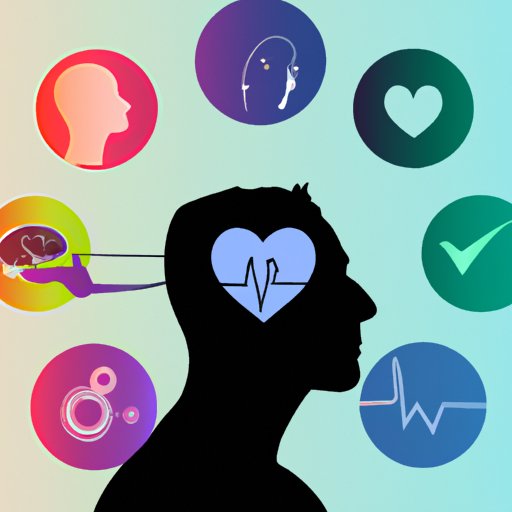
Health is a complex concept that has been studied for centuries. Although it is often defined simply as “the absence of disease”, health is actually much more than that. According to the World Health Organization (WHO), health is “a state of complete physical, mental and social well-being and not merely the absence of disease or infirmity”. This definition emphasizes the importance of all aspects of health – physical, mental, social, and spiritual – and how they are interconnected and affect each other.
Exploring the Meaning and Components of Health
Physical health is the most visible component of health and refers to our physical condition and ability to perform daily activities. It includes diet, exercise, sleep, and hygiene, as well as other lifestyle choices. Mental health refers to our emotional and psychological well-being and involves our thoughts, feelings, and behaviors. Mental health is closely linked to physical health and can have a major impact on our overall well-being.
Social health is an important component of health and involves our relationships with others. It encompasses our ability to interact with and be accepted by society, as well as our ability to build meaningful connections with others. Social health also involves our ability to manage stress, communicate effectively, and resolve conflicts.
Spiritual health is often overlooked but is an integral part of our overall health. It is closely related to our mental and social health and involves our beliefs and values. Spiritual health is closely tied to our sense of purpose and meaning in life and helps us find balance and peace.

Investigating the Role of Genetics in Health
Genetics plays a significant role in health and can influence our susceptibility to certain diseases. Research suggests that up to 80% of some common medical conditions, such as heart disease and diabetes, are due to genetic factors. However, genetics is not the only factor involved in these conditions and lifestyle choices can also play a role.
In addition to influencing our risk for certain medical conditions, genetics can also affect our overall health. For example, research suggests that genetics can influence our body weight, eating habits, and risk for obesity. Genetics can also affect our physical abilities, such as strength, agility, and endurance.

Examining the Connection Between Mental and Physical Health
The connection between mental and physical health is well-documented. Studies have found that mental health can have a direct effect on physical health and vice versa. For example, depression can lead to physical symptoms such as fatigue, headaches, and digestive issues. Conversely, chronic pain can lead to depression and anxiety.
The mind-body connection is complex and involves many different pathways. Stress is one of the most important factors in this connection. Studies have found that chronic stress can lead to physical symptoms, such as headaches, chest pain, and digestive issues. Stress can also suppress the immune system, making us more susceptible to illnesses and infections.
Exploring the Impact of Social Factors on Health
Social factors can have a major impact on our health. Cultural and societal influences can shape our attitudes, beliefs, and behaviors, which, in turn, can have a direct effect on our health. For example, research suggests that cultural norms can influence our diet and physical activity levels.
Social support is another important factor in health. Studies have found that having strong social support can improve physical and mental health and reduce the risk of developing certain medical conditions. Having a strong social network can provide emotional support, which can help us cope with stress and other challenges.

Investigating the Influence of Environmental Factors on Health
Environmental factors, such as air and water quality, can have a direct impact on our health. Pollution and toxins can cause a range of health problems, from respiratory issues to cancer. Climate change is another environmental factor that can have a major impact on health. Rising temperatures, extreme weather events, and air pollution can all lead to an increase in certain medical conditions, such as heat stroke and asthma.
Conclusion
Health is a complex concept that involves physical, mental, social, and spiritual aspects. Genetics can influence our health, and the connection between mental and physical health is well-documented. Social factors, such as culture and social support, can have a major impact on health, and environmental factors, such as air and water quality, can also affect our health. By understanding the various components of health, we can take steps to ensure our overall well-being.
(Note: Is this article not meeting your expectations? Do you have knowledge or insights to share? Unlock new opportunities and expand your reach by joining our authors team. Click Registration to join us and share your expertise with our readers.)