
Introduction
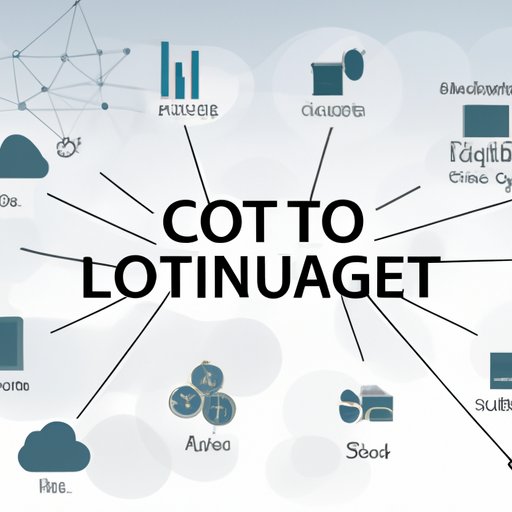
The Internet of Things (IoT) is a rapidly expanding network of connected physical objects, such as sensors, computers, and other devices. These objects are able to communicate with each other and exchange data over the internet. As IoT technology becomes increasingly popular, the need for efficient and reliable technologies to support it is becoming more urgent. In this article, we will explore which technologies are most likely to be associated with IoT and examine their respective benefits and challenges.
A Comparative Analysis of Technologies Used in IoT
There are several different technologies that can be used to power IoT applications. These include cloud computing, artificial intelligence (AI), and edge computing. Each of these technologies has its own set of advantages and disadvantages, so it is important to consider them carefully before deciding which one is right for your application.
Cloud Computing
Cloud computing is a type of distributed computing model in which data and applications are stored in remote servers and accessed over the internet. This makes it easier for users to access data and applications from any location. Cloud computing also offers scalability, allowing users to increase or decrease their storage capacity as needed. Additionally, cloud computing can be used to store large amounts of data and process complex tasks, making it an ideal platform for IoT applications.
Artificial Intelligence
AI is a field of computer science that focuses on creating machines that can think and act like humans. AI can be used to analyze data and make decisions based on the information it receives, making it a powerful tool for IoT applications. AI can be used to automate processes and enable machines to learn from their experiences, making them more intelligent over time.
Edge Computing
Edge computing is a type of distributed computing model in which data and applications are stored and processed at the edge of the network, closer to the source of the data. This allows for faster processing times and lower latency, making it an ideal solution for applications that require real-time data processing. Additionally, edge computing can help reduce the amount of data that needs to be sent to the cloud, saving both time and money.
An Overview of the Top Technologies Driving IoT
These three technologies – cloud computing, artificial intelligence, and edge computing – are all playing an important role in driving the development of IoT applications. According to a survey by Microsoft, cloud computing is the most widely used technology for IoT applications, followed by AI and edge computing.

Examining the Role of Cloud Computing in IoT
Cloud computing is the most widely used technology for powering IoT applications. It offers several benefits, such as scalability, reliability, and cost savings. Additionally, cloud computing can provide an easy way to store and access data from any location. However, there are also some challenges associated with using cloud computing for IoT, such as security and privacy concerns.
Exploring the Use of Artificial Intelligence in IoT
AI is becoming increasingly popular for powering IoT applications due to its ability to analyze data and make decisions. AI can be used to automate processes and enable machines to learn from their experiences, making them more intelligent over time. Additionally, AI can help IoT applications become more efficient and cost-effective. However, AI also comes with some challenges, such as limited understanding of context and ethical implications.
Investigating the Impact of Edge Computing on IoT
Edge computing is becoming increasingly popular for powering IoT applications due to its ability to provide low latency and faster processing times. Additionally, edge computing can help reduce the amount of data that needs to be sent to the cloud, resulting in cost savings. However, edge computing also comes with some challenges, such as increased complexity and higher costs.
Conclusion
In conclusion, cloud computing, artificial intelligence, and edge computing are all playing an important role in driving the development of IoT applications. Each of these technologies has its own set of benefits and challenges, so it is important to consider them carefully before deciding which one is right for your application. Ultimately, the choice of technology will depend on the specific requirements of the application.
(Note: Is this article not meeting your expectations? Do you have knowledge or insights to share? Unlock new opportunities and expand your reach by joining our authors team. Click Registration to join us and share your expertise with our readers.)