
Introduction
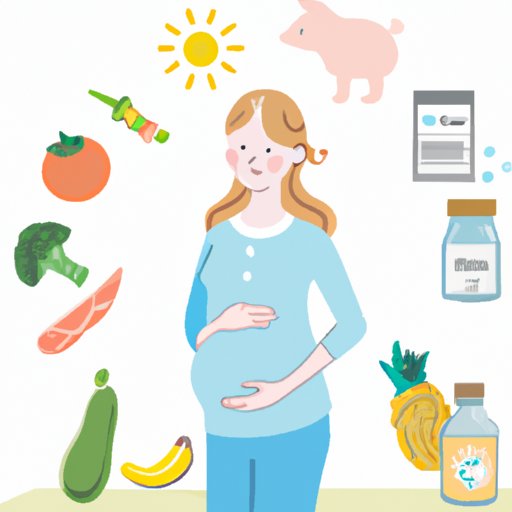
As a pregnant woman, you want to make sure that you are doing everything possible to ensure a healthy pregnancy and a healthy baby. Making a healthy choice for yourself and your baby is essential for a successful pregnancy. This article will explore what a healthy choice for a pregnant woman looks like, including topics such as healthy eating habits, exercise, hydration, and supplements.

Healthy Eating Habits for Pregnant Women
It is important for pregnant women to be mindful of their nutritional needs during pregnancy. According to the American College of Obstetricians and Gynecologists (ACOG), pregnant women should focus on “eating a variety of nutritious foods and drinks from all the food groups” in order to get the necessary vitamins and minerals for a healthy pregnancy. Some of the recommended foods to eat during pregnancy include lean proteins, fruits and vegetables, whole grains, and dairy products. Pregnant women should also limit their intake of processed foods, sugars, and refined carbohydrates.
In addition to choosing the right foods, pregnant women should also strive to maintain a balanced diet. The United States Department of Agriculture (USDA) recommends that pregnant women follow the MyPlate program, which encourages a balanced diet made up of fruits and vegetables, whole grains, low-fat dairy, and lean proteins.
Eating healthy can be challenging for pregnant women, especially when eating out. However, there are still ways to make healthy choices when dining out. For example, pregnant women can opt for grilled or steamed dishes rather than fried options. They should also avoid eating raw or undercooked seafood and meat, and opt for lean proteins such as fish, chicken, and tofu. Finally, they should try to limit their sodium and sugar intake by avoiding processed or sugary drinks.

The Benefits of Exercise During Pregnancy
Exercise is an important part of staying healthy during pregnancy. According to the ACOG, pregnant women should aim for at least 30 minutes of moderate exercise per day. The type of exercise that is appropriate during pregnancy depends on the woman’s current fitness level and her doctor’s advice. Low-impact exercises such as walking, swimming, and yoga are generally considered safe for pregnant women. Women who have been exercising regularly prior to pregnancy may also be able to continue their regular activities, though they should consult their doctor before doing so.
In addition to helping pregnant women stay fit and healthy, exercise can also help to reduce stress and improve sleep. According to a study published in the journal Sleep Medicine, pregnant women who exercised regularly experienced better sleeping patterns than those who did not. Exercise can also help to reduce fatigue, backaches, and swelling, and can even help to prepare the body for childbirth.
Tips for Staying Hydrated During Pregnancy
Staying hydrated is essential for a healthy pregnancy. According to the Centers for Disease Control and Prevention (CDC), pregnant women should drink at least eight 8-ounce glasses of water per day. It is also important to avoid dehydrating beverages such as alcohol, caffeinated drinks, and sugary sodas.
In addition to drinking plenty of water, pregnant women can also stay hydrated by eating hydrating foods such as fruits and vegetables. Foods such as cucumbers, tomatoes, watermelon, and oranges are all excellent sources of fluids. Pregnant women should also limit their sodium and caffeine intake, as these can cause dehydration.

Supplements to Consider for a Healthy Pregnancy
Pregnant women should also consider taking certain supplements to ensure a healthy pregnancy. The CDC recommends that pregnant women take a daily multivitamin that contains 400 micrograms of folic acid. Folic acid helps to protect against birth defects and is important for fetal development. In addition, pregnant women may also benefit from taking vitamin D, iron, omega-3 fatty acids, and probiotics.
Vitamin D is important for bone health and helps the body absorb calcium. Iron helps to prevent anemia and is important for oxygen delivery to the baby. Omega-3 fatty acids are beneficial for brain and eye development, and probiotics can help to support healthy digestion and gut health.
Managing Stress During Pregnancy
It is also important for pregnant women to manage stress during pregnancy. According to the American Psychological Association, stress can have negative effects on both the mother and the baby. Common causes of stress during pregnancy include financial worries, relationship issues, and adjusting to life changes. To help manage stress during pregnancy, it is important to prioritize self-care and practice relaxation techniques such as deep breathing, yoga, and meditation.
Conclusion
Making a healthy choice for a pregnant woman is essential for a successful pregnancy. Eating a balanced diet, exercising regularly, staying hydrated, taking supplements, and managing stress are all important for a healthy pregnancy. By following these tips, pregnant women can ensure that they and their babies get the nutrition and care they need for a healthy pregnancy.
(Note: Is this article not meeting your expectations? Do you have knowledge or insights to share? Unlock new opportunities and expand your reach by joining our authors team. Click Registration to join us and share your expertise with our readers.)