
Introduction
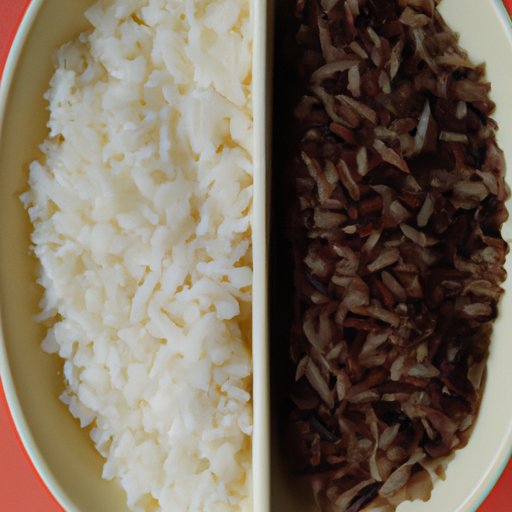
Rice is a staple in many diets around the world, consumed daily by billions of people. It is an affordable, versatile, and nutritious food that can be cooked in many different ways. When it comes to choosing which type of rice to eat, two of the most popular options are white and brown rice. But which one is healthier? This article takes an in-depth look at the nutritional value, health benefits, and glycemic index of white and brown rice, to help you decide which is the better choice.
Analyzing the Nutritional Value of White and Brown Rice
White and brown rice have very similar nutritional profiles. Both are good sources of carbohydrates, with a 100 gram serving of cooked white rice providing 130 calories and 28 grams of carbohydrates, while 100 grams of cooked brown rice has 117 calories and 25 grams of carbohydrates. Both types of rice contain small amounts of protein, fat, and dietary fiber. White rice has slightly higher amounts of these nutrients than brown rice, but the differences are minimal.
When it comes to micronutrients, white and brown rice are also similar. They both contain small amounts of vitamins and minerals, such as iron, magnesium, phosphorus, zinc, and B vitamins. Brown rice contains slightly more of these nutrients than white rice, but again, the differences are not significant.
Comparing the Health Benefits of White vs Brown Rice
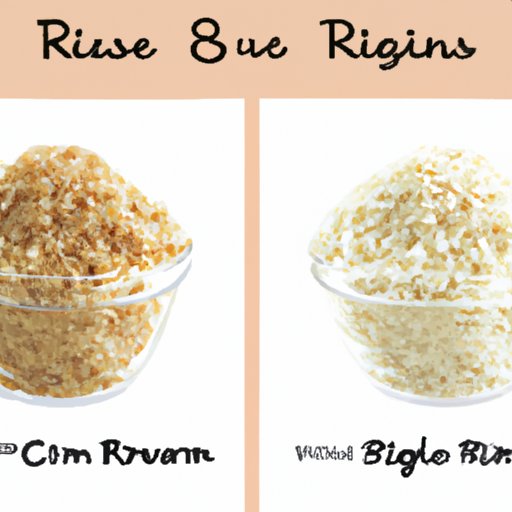
The main difference between white and brown rice lies in their fiber content. Brown rice is a whole grain, meaning that the outer layer of the grain, the bran, is intact. The bran is rich in dietary fiber, with 100 grams of cooked brown rice providing 2.8 grams of fiber. White rice, on the other hand, is a refined grain, meaning that the bran has been removed and much of the fiber lost. 100 grams of cooked white rice only provides 0.4 grams of fiber.
The extra fiber in brown rice offers several health benefits. Dietary fiber helps keep your digestive system healthy, promotes regularity, and may reduce your risk of certain diseases, such as diabetes and heart disease. Fiber is also beneficial for weight management, as it helps you feel fuller for longer and can reduce the number of calories you consume.
Brown rice is also higher in antioxidants than white rice. Antioxidants protect your cells from damage caused by free radicals, which can lead to chronic diseases. A study published in the Journal of Agricultural and Food Chemistry found that brown rice had higher levels of phenolic compounds, which are powerful antioxidants, than white rice.
Finally, brown rice is thought to be better for heart health than white rice. A study published in the journal Nutrients found that eating brown rice was associated with lower levels of LDL (bad) cholesterol and higher levels of HDL (good) cholesterol, compared to white rice.
Exploring the Pros and Cons of Eating White or Brown Rice
When it comes to convenience, white rice is the clear winner. White rice cooks much faster than brown rice, and also doesn’t require any soaking before cooking. This makes it a great option for busy weeknights when you need a quick and easy meal.
White rice is also easier to digest than brown rice. This is because the bran layer of brown rice is harder for the body to break down, which can lead to bloating and discomfort. If you have a sensitive digestive system, white rice might be the better option.
Another factor to consider is cost. White rice is generally cheaper than brown rice, as it is more widely available and requires less processing. However, if cost is not a major concern, then brown rice is the better choice due to its higher nutrient content.
Investigating the Glycemic Index of White and Brown Rice
The glycemic index (GI) is a measure of how quickly certain foods raise your blood sugar levels. Foods with a high GI are absorbed quickly, causing a rapid spike in blood sugar. Low GI foods, on the other hand, are absorbed more slowly, resulting in a slower and steadier rise in blood sugar. For people with diabetes or those trying to manage their weight, low GI foods are the best choice.
White rice has a higher GI than brown rice, making it less suitable for those trying to control their blood sugar. According to the Harvard T.H. Chan School of Public Health, white rice has a GI of 73, while brown rice has a GI of 55. This means that brown rice is absorbed more slowly and causes a smaller spike in blood sugar levels.

Examining the Impact of White and Brown Rice on Blood Sugar Levels
Carbohydrates are the main dietary component that affects blood sugar levels. The body breaks down carbohydrates into glucose, which is then absorbed into the bloodstream. The speed at which this happens depends on the type of carbohydrates you eat. Refined carbohydrates, such as white rice, are broken down quickly, causing a rapid rise in blood sugar. Complex carbohydrates, such as brown rice, take longer to digest, resulting in a slower and steadier rise in blood sugar.
A study published in the American Journal of Clinical Nutrition looked at the effect of white and brown rice on blood sugar levels. The researchers found that participants who ate white rice had higher blood sugar levels after meals than those who ate brown rice. This suggests that brown rice is better for managing blood sugar levels than white rice.
Conclusion
Overall, brown rice is the healthier choice when it comes to rice. It is higher in fiber, antioxidants, and micronutrients than white rice, and also has a lower glycemic index, making it better for managing blood sugar levels. That being said, white rice is still a nutritious food and can be enjoyed in moderation. If you’re looking for convenience, then white rice is the better option, as it cooks faster and doesn’t require any soaking before cooking.
Ultimately, the best choice for you depends on your individual needs and preferences. If you’re looking for a nutritious, filling meal, then choose brown rice. If you’re short on time and need something quick and easy, then white rice is the better option. Whichever type of rice you choose, make sure to enjoy it in moderation and pair it with a variety of other nutritious foods.
(Note: Is this article not meeting your expectations? Do you have knowledge or insights to share? Unlock new opportunities and expand your reach by joining our authors team. Click Registration to join us and share your expertise with our readers.)