

Introduction
Coffee and tea are two of the most popular beverages in the world. Both have unique flavors, aromas, and health benefits that make them appealing to many people. But which is healthier: coffee or tea? In this article, we will explore the nutritional and health benefits of coffee and tea, comparing their respective caffeine content, antioxidant content, and effects of added sugar and creamers. We will also examine different brewing methods for both coffee and tea and investigate the potential health benefits of herbal teas.
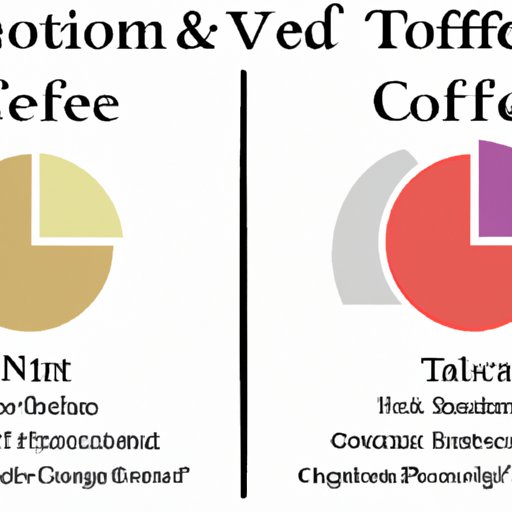
A Comparison of Nutritional Benefits: Coffee vs. Tea
When it comes to calories, coffee and tea are both low-calorie beverages, with a cup of black coffee containing just one calorie and a cup of black tea containing two calories. However, when adding milk and/or sugar, the calorie count can increase significantly.
In terms of vitamins and minerals, both coffee and tea provide small amounts of various essential nutrients, including vitamin B6, magnesium, potassium, and niacin. However, coffee contains more of these nutrients than tea does.
Carbohydrate content is another important factor when comparing the nutritional benefits of coffee and tea. A cup of black coffee has no carbohydrates, while a cup of black tea contains a small amount of carbohydrates (about 1 gram). However, when adding milk or sugar, the carbohydrate content increases significantly.

Exploring the Caffeine Content of Coffee and Tea
Caffeine is one of the main compounds found in both coffee and tea. Depending on the type of coffee or tea, the amount of caffeine can vary significantly. For example, a cup of black coffee usually contains about 95 milligrams of caffeine, while a cup of black tea typically contains about 47 milligrams of caffeine.
Although caffeine is generally considered safe in moderation, too much caffeine can lead to adverse effects such as insomnia, restlessness, and headaches. Therefore, it is important to be aware of the caffeine content in coffee and tea and to consume these beverages in moderation.
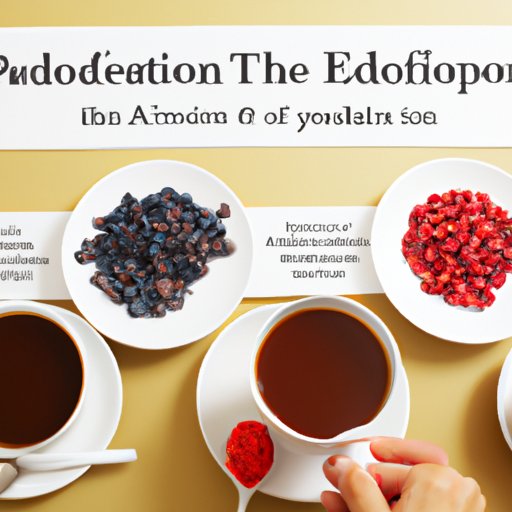
Evaluating the Health Benefits of Antioxidants in Coffee and Tea
Both coffee and tea contain antioxidants, which are compounds that can help protect the body from damage caused by free radicals. The types of antioxidants found in coffee and tea vary, but they include polyphenols, flavonoids, chlorogenic acids, and catechins. These compounds are thought to play a role in reducing the risk of certain diseases, such as cancer and heart disease.
The amount of antioxidants in coffee and tea depends on several factors, including the type of bean or leaf used and the brewing method. In general, darker roasts and longer brew times tend to result in higher levels of antioxidants.
The Impact of Sugar and Creamers on the Healthiness of Coffee and Tea
Adding sugar or creamers to coffee and tea can significantly increase their calorie and carbohydrate content. For example, a single teaspoon of sugar contains approximately 16 calories, while a tablespoon of cream contains about 50 calories. Furthermore, adding sugar or creamers to your coffee or tea can also reduce the amount of antioxidants present in the beverage.
Therefore, if you are trying to make your coffee or tea as healthy as possible, it is best to avoid adding sugar and creamers. If you do want to sweeten your drink, consider using a natural sweetener such as honey or agave nectar instead.
Examining the Different Brewing Methods for Coffee and Tea
The brewing method used to prepare coffee and tea can also affect its nutritional content. For example, cold brewing coffee and tea can produce a beverage that is lower in acidity and contains fewer bitter compounds than hot brewed coffee and tea.
Furthermore, some brewing methods, such as French press and espresso, can result in higher levels of antioxidants than other brewing methods. Therefore, it is important to consider the type of brewing method used when evaluating the health benefits of coffee and tea.
Investigating the Role of Herbal Teas in Healthy Habits
Herbal teas are made from a variety of herbs, spices, and fruits and are believed to have numerous health benefits. Some of the potential health benefits of herbal teas include improved digestion, reduced inflammation, and improved sleep. However, it is important to note that the effectiveness of herbal teas depends on the type of herb used and the amount consumed.
It is also important to remember that some herbal teas may contain caffeine, so it is important to read the labels carefully before consuming them. Additionally, some herbs may interact with medications, so it is always best to consult with a doctor before drinking herbal teas.
Conclusion
Both coffee and tea can be part of a healthy lifestyle. They each offer unique health benefits, including antioxidants, vitamins, and minerals. However, it is important to be mindful of the caffeine content, added sugar, and creamers when making coffee and tea. Additionally, the brewing method used can also affect the nutritional content of the beverage.
Finally, herbal teas can also be an excellent source of health benefits, although it is important to be aware of any potential side effects or interactions with medications. Ultimately, by being mindful of these factors, you can enjoy coffee and tea as part of a healthy diet.
(Note: Is this article not meeting your expectations? Do you have knowledge or insights to share? Unlock new opportunities and expand your reach by joining our authors team. Click Registration to join us and share your expertise with our readers.)