
Introduction
Cryptocurrencies are digital assets used as a medium of exchange. They are secured by cryptography, which makes them difficult to counterfeit or double-spend. Cryptocurrencies have become increasingly popular over the last decade, with many investors choosing to invest in them as a way to diversify their portfolios. But with so many different cryptocurrencies on the market, it can be difficult to choose which one is right for you.
What is Cryptocurrency?
Cryptocurrency is a digital asset designed to work as a medium of exchange using cryptography to secure transactions, control the creation of additional units, and verify transfers. The most well-known cryptocurrency is Bitcoin, which was created in 2009. Since then, thousands of other cryptocurrencies have been created, with varying degrees of success. Cryptocurrencies are decentralized, meaning there is no central authority or government that controls them.

Benefits of Investing in Cryptocurrency
Investing in cryptocurrency has several potential benefits. For starters, it’s an efficient way to diversify your portfolio. Cryptocurrencies are not correlated to traditional markets, so they provide a hedge against stock market volatility. Additionally, cryptocurrencies are global and borderless, making them accessible to anyone with an internet connection. Furthermore, since cryptocurrencies are not regulated by any government or institution, they are less susceptible to manipulation and fraud. Finally, cryptocurrencies have the potential to offer higher returns than traditional investments.
Comparing Popular Cryptocurrencies
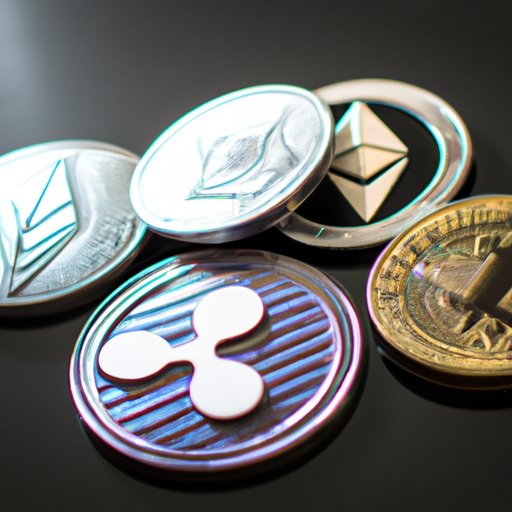
When it comes to investing in cryptocurrency, it’s important to understand the different options available. Below, we’ll look at five of the most popular cryptocurrencies and discuss their pros and cons.
Bitcoin
Bitcoin is the world’s first and most popular cryptocurrency. It was created in 2009 by an anonymous person or group known as Satoshi Nakamoto. Bitcoin is the largest cryptocurrency by market capitalization and is widely accepted as a form of payment by merchants around the world. It is also highly liquid, meaning it can be easily bought and sold. The main downside of Bitcoin is its high volatility, which can lead to large price swings.
Ethereum
Ethereum is a decentralized platform that runs smart contracts. It was created in 2015 by Vitalik Buterin and has since become the second-largest cryptocurrency by market capitalization. Ethereum is viewed as more than just a currency; it is a platform for developing decentralized applications (dApps). Ethereum is also highly liquid, but it is not as widely accepted as Bitcoin. Additionally, Ethereum is subject to the same high volatility as Bitcoin.
Ripple
Ripple is a real-time gross settlement system (RTGS) and currency exchange network. It was created in 2012 by Chris Larsen and Jed McCaleb and has since become the third-largest cryptocurrency by market capitalization. Ripple is designed to facilitate fast and low-cost international payments. It is highly liquid, but it is not as widely accepted as Bitcoin or Ethereum. Additionally, Ripple is subject to the same high volatility as other cryptocurrencies.
Litecoin
Litecoin is a peer-to-peer cryptocurrency and open source software project released under the MIT/X11 license. It was created in 2011 by Charlie Lee and has since become the fourth-largest cryptocurrency by market capitalization. Litecoin is designed to be a faster and more efficient version of Bitcoin. It is highly liquid and is accepted by some merchants, but it is subject to the same high volatility as other cryptocurrencies.
Pros and Cons of Each Currency
Each cryptocurrency has its own set of advantages and disadvantages. Bitcoin is the most widely accepted and liquid, but it is also highly volatile. Ethereum is a platform for developing dApps, but it is not as widely accepted as Bitcoin. Ripple is designed for fast and low-cost international payments, but it is not as widely accepted as Bitcoin or Ethereum. Litecoin is a faster and more efficient version of Bitcoin, but it is not as widely accepted as Bitcoin.
Analyzing Historical Performance and Projecting Future Growth
In order to make an informed decision about which cryptocurrency to invest in, it’s important to analyze historical performance and project future growth potential. By looking at past performance, investors can get a better understanding of how the market has reacted to certain events and what the future may hold.
Analyzing Historical Performance of Popular Cryptocurrencies
The performance of popular cryptocurrencies can be analyzed by looking at various metrics such as price, market capitalization, and trading volume. By looking at these metrics, investors can get a better understanding of how the market has reacted to certain events and what the future may hold. Additionally, investors can use technical analysis to identify patterns in the market and make informed decisions about when to buy and sell.
Projecting Future Growth Potential
In addition to analyzing historical performance, investors should also consider potential future growth. Factors to consider include new developments in the technology, adoption by businesses and consumers, and regulatory changes. Additionally, investors should consider the overall macroeconomic environment, as this can have a major impact on the value of cryptocurrencies.
Identifying the Best Coins for Long-Term Investing
When deciding which cryptocurrency to invest in, it’s important to identify the best coins for long-term investment. This is because many cryptocurrencies are highly volatile and may not be suitable for short-term investments.
Factors to Consider When Choosing a Coin
There are several factors to consider when choosing a coin for long-term investment. These include the coin’s market capitalization, trading volume, development team, and technology. Additionally, investors should consider the coin’s potential for future growth, as well as its current and future use cases.
Top Picks for Long-Term Investment
Based on these factors, the top picks for long-term investment are Bitcoin, Ethereum, Ripple, and Litecoin. These coins are all highly liquid and have established teams and technologies behind them. Additionally, they have the potential for significant future growth and are widely accepted by merchants around the world.

Discussing the Advantages of Different Cryptocurrency Platforms
When investing in cryptocurrency, it’s important to consider the advantages of different platforms. There are several types of platforms available, each offering different features and advantages.
Types of Platforms
The two most common types of platforms are centralized exchanges and decentralized exchanges. Centralized exchanges are operated by a single entity and require users to submit personal information in order to trade. Decentralized exchanges do not require users to submit personal information and are generally considered more secure.
Features of Each Platform
Centralized exchanges typically offer more features than decentralized exchanges. These features include advanced trading tools, margin trading, and fiat currency support. Decentralized exchanges tend to offer fewer features, but they are generally more secure and private.
Advantages of Different Platforms
The advantages of each platform depend on the individual investor’s needs. For example, those who need access to advanced trading tools may prefer a centralized exchange, while those who want more privacy may prefer a decentralized exchange. Ultimately, it’s up to the individual investor to decide which platform is best for them.

Evaluating Security Measures to Ensure Safe Investment
When investing in cryptocurrency, it’s important to evaluate the security measures in place to ensure safe investment. This includes both the security measures of the platform itself and the security measures taken by the individual investor.
Types of Security Measures
Platform security measures typically include two-factor authentication, cold storage, and encryption. Individual security measures include using strong passwords, enabling two-factor authentication, and keeping private keys offline.
Best Practices for Keeping Your Investment Secure
To keep your investment secure, it’s important to follow best practices. This includes only investing what you can afford to lose, only investing in reputable platforms, and diversifying your investments. Additionally, it’s important to keep your private keys secure and to regularly monitor your investments for suspicious activity.
Conclusion
Investing in cryptocurrency can be a great way to diversify your portfolio and take advantage of the potential for high returns. However, it’s important to understand the different options available and make an informed decision about which cryptocurrency to invest in. By analyzing historical performance, projecting future growth potential, identifying the best coins for long-term investment, discussing the advantages of different platforms, and evaluating security measures, investors can make an educated decision about which cryptocurrency to invest in.
(Note: Is this article not meeting your expectations? Do you have knowledge or insights to share? Unlock new opportunities and expand your reach by joining our authors team. Click Registration to join us and share your expertise with our readers.)