

Introduction
Fashion is an ever-changing concept that has been around since ancient times. It is a form of expression and creativity that has evolved over the centuries to reflect the changing culture and society in which we live. This article will explore the history and origins of fashion, examining the various influences that have shaped its evolution from ancient times to the present day.
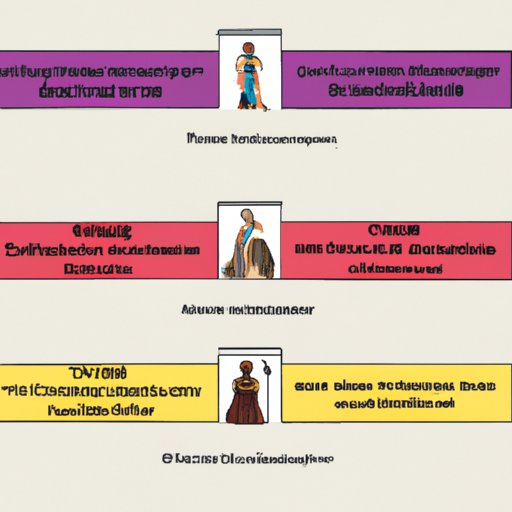
Historical Timeline of the Development of Fashion
Throughout history, fashion has been used to indicate status, wealth, and power. From the Ancient Egyptians to the Romans, fashion has always been a reflection of the era in which it was created. Let’s take a look at how fashion has evolved over time.
Ancient Times
The earliest known example of fashion dates back to around 2800 BCE in Ancient Egypt. During this period, clothing was heavily influenced by religious beliefs and social standing. Wealthy Egyptians wore elaborate garments made of fine linen and bright colors, while poorer citizens wore simpler clothes made of coarse materials such as wool and leather. Clothing was also often adorned with jewelry and other decorative items.
Middle Ages
During the Middle Ages, fashion became more practical and less extravagant. Clothing was designed to be comfortable and functional, with loose-fitting garments being the most popular. Women’s dresses were usually made of wool or linen and were often decorated with embroidery and lace. Men’s clothing consisted of tunics, hose, and cloaks.
Renaissance
During the Renaissance, fashion began to become more ornate and elaborate. Rich fabrics such as velvet, satin, and silk were used to create luxurious garments for both men and women. Clothing was often decorated with intricate patterns and designs, and hats and headdresses were popular accessories. Men’s clothing featured long, flowing robes and doublets, while women’s clothing featured corsets, petticoats, and farthingales.
18th Century
During the 18th century, fashion began to change drastically. The Rococo style of dress emerged, with light fabrics and pastel colors becoming popular. Women’s clothing featured low-cut necklines, tight bodices, and full skirts, while men’s clothing featured waistcoats, breeches, and coats. Accessories such as fans and parasols were also popular during this period.
19th Century
The 19th century saw a shift towards more practical and comfortable clothing. Women’s clothing featured high-waisted skirts and blouses, while men’s clothing featured suits and trousers. Accessories such as bonnets and top hats were still popular during this period, but they were not as ornate as those seen in previous eras.
20th Century
The 20th century saw a huge shift in fashion, with new styles and trends emerging every few years. From the flapper dresses of the 1920s to the punk style of the 1970s, fashion underwent a dramatic transformation. New materials and fabrics such as nylon, spandex, and polyester were introduced, and designers began experimenting with different shapes and silhouettes. By the end of the century, fashion had become more accessible than ever before.
21st Century
The 21st century has seen a continued trend of experimentation and innovation in the world of fashion. With the rise of technology, fashion has become more accessible than ever before, allowing people from all walks of life to express themselves through their clothing. Designers are constantly pushing the boundaries of fashion, creating unique and interesting pieces that stand out from the crowd.
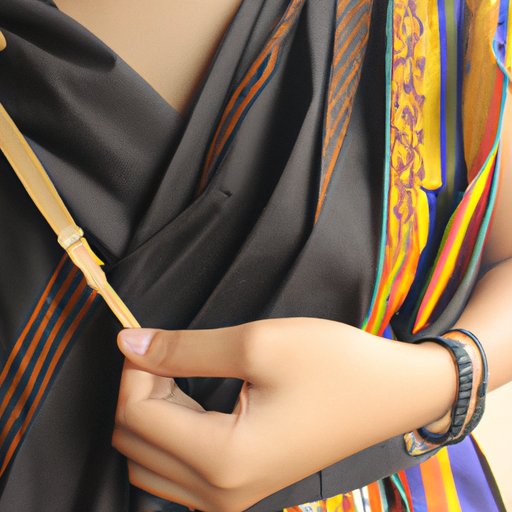
Exploring the Cultural Origins of Fashion
Fashion is not only influenced by historical events and technological advancements, but also by cultural factors such as religion, ethnicity, geography, class, and gender. All of these elements have played a role in shaping fashion throughout history.
Influence of Religion
Religion has long been a major influence on fashion. In many cultures, religious beliefs dictate what types of clothing are appropriate to wear. For example, in some Muslim countries, women are expected to cover their heads and bodies with a hijab or burqa. In Jewish communities, men often wear a yarmulke or kippah to cover their heads.
Influence of Ethnicity and Geography
Ethnicity and geography have also had a major influence on fashion. Different regions of the world have their own distinct styles of dress, often reflecting the climate, culture, and traditions of the area. For example, in India, vibrant colors and intricate designs are common in traditional garments, while in Scandinavia, muted tones and simple silhouettes are favored.
Impact of Class and Gender
Class and gender have also played a significant role in the development of fashion. Throughout history, clothing has been used to indicate class status and gender roles. For example, in the 17th century, wealthy women wore elaborate dresses with corsets and hoop skirts, while lower-class women wore simple dresses made of cheaper fabrics. Similarly, men’s clothing has often been used to indicate class status and gender roles.
Analyzing the Role of Technology in the Evolution of Fashion
Technology has had a major impact on the evolution of fashion. Advances in technology have allowed for the introduction of new fabrics and materials, as well as the mass production of clothing. Let’s take a look at how technology has shaped the fashion industry.
Impact of Industrialization
The introduction of industrialization in the 19th century revolutionized the fashion industry. Mass production techniques allowed for the rapid manufacture of garments, making them more affordable and accessible to a larger audience. This led to a surge in demand for fashionable clothing, as well as a boom in the textile industry.
Introduction of New Fabrics and Materials
Advances in technology have allowed for the introduction of new fabrics and materials, such as synthetic fibers, which have revolutionized the fashion industry. Synthetic fibers are lighter and more durable than natural fibers, and they can be dyed in a variety of colors. They are also more affordable than natural fibers, making them a popular choice for mass-produced clothing.
Impact of Mass Production
Mass production has had a major impact on the fashion industry. It has allowed for clothing to be manufactured quickly and cheaply, making fashionable clothing more accessible to a wider audience. It has also allowed for the introduction of “fast fashion”, which is clothing that is produced quickly and cheaply in order to keep up with the latest trends.
Examining the Influence of Social Movements on the Development of Fashion
Social movements have had a major impact on the development of fashion. From the feminist movement to the civil rights movement, these movements have inspired changes in fashion that reflect the values and beliefs of the people involved.
Impact of the Feminist Movement
The feminist movement has had a major influence on fashion. Women’s clothing has traditionally been designed to emphasize traditional gender roles, but feminists have sought to challenge these stereotypes by creating clothing that is more comfortable and practical. This has resulted in the introduction of clothing such as trousers, which were once considered inappropriate for women to wear.
Impact of the Civil Rights Movement
The civil rights movement has also had an impact on fashion. As African Americans gained greater visibility and acceptance in society, their style of dress began to reflect their newfound freedom and confidence. This led to the emergence of “black pride” fashion, which incorporated traditional African patterns and colors into everyday clothing.
Impact of the LGBTQIA+ Movement
The LGBTQIA+ movement has also had an impact on fashion. This movement has challenged traditional gender roles and encouraged individuals to embrace their own personal style. This has led to the emergence of gender-neutral clothing, as well as the acceptance of unconventional forms of dress such as drag.
Investigating the Impact of Political Events on Fashion Trends
Political events have often had an impact on fashion trends. Wars, revolutions, and economic crises have all had an influence on the styles of clothing that are popular at any given time.
Influence of Wars
Wars have often had an impact on fashion trends. During wartime, practicality and functionality become a priority, resulting in clothing that is designed to be comfortable and easy to move in. This is often reflected in the styles of clothing that become popular during wartime, such as military-inspired garments.
Impact of Revolutions
Revolutions have also had an influence on fashion. During times of political upheaval, people often use fashion as a way to express their beliefs and ideals. This is often reflected in the styles of clothing that become popular during times of revolution, such as the miniskirts and bell bottoms of the 1960s.
Impact of Economic Crises
Economic crises have also had an impact on fashion. During times of economic hardship, people often opt for more affordable and practical clothing, such as jeans and t-shirts. This is often reflected in the styles of clothing that become popular during times of economic crisis, such as casualwear.
Exploring the Relationship between Art and Fashion
Art and fashion have long been intertwined. From the early days of fashion design to modern-day couture, art has played a major role in inspiring and influencing fashion trends.
Role of Art in Inspiring Fashion Trends
Art has been a major influence on fashion since its inception. Many fashion designers draw inspiration from works of art, incorporating elements of paintings, sculptures, and photographs into their designs. This can be seen in the work of iconic designers such as Coco Chanel, who was heavily influenced by the works of Pablo Picasso.
Influence of Art Movements on Fashion
Art movements have also had a major influence on fashion. From the minimalist style of the Bauhaus movement to the bold colors and patterns of the Pop Art movement, art movements have inspired fashion designers to experiment with different styles and techniques. This is evident in the work of contemporary designers such as Rei Kawakubo, who has drawn inspiration from a variety of art movements.
Impact of Individual Artists on Fashion
Individual artists have also had an impact on fashion. From Andy Warhol’s iconic prints to Jean-Michel Basquiat’s streetwear-inspired designs, individual artists have often been at the forefront of fashion trends. This is evident in the work of contemporary designers such as Virgil Abloh, who has collaborated with numerous artists to create unique and innovative collections.
Conclusion
In conclusion, fashion has been shaped by a variety of historical, cultural, and technological influences. From the Ancient Egyptians to the 21st century, fashion has evolved to reflect the changing culture and society in which we live. Religious beliefs, ethnicity, geography, class, gender, industrialization, mass production, social movements, political events, and art have all played a role in the development of fashion. Technology has also had a major impact on the fashion industry, allowing for the introduction of new fabrics and materials, as well as the mass production of clothing. Finally, art has long been a major influence on fashion, inspiring designers to experiment with different styles and techniques. Understanding the history and origins of fashion can help us to appreciate the complex relationship between culture and clothing.
(Note: Is this article not meeting your expectations? Do you have knowledge or insights to share? Unlock new opportunities and expand your reach by joining our authors team. Click Registration to join us and share your expertise with our readers.)