


Introduction: Overview of the Impact of Disruptions on Global Supply Chains
The world has been facing unprecedented disruption to global supply chains due to the COVID-19 pandemic. This has had a significant impact on businesses across all industries, with many facing significant losses and difficulties in meeting customer demand. In order to ensure that companies can resume operations as quickly and safely as possible, it is essential to understand the various challenges and strategies involved in rebuilding global supply chains.
A supply chain refers to the network of activities, people, organizations, information, and resources involved in producing and delivering goods and services from supplier to customer. It encompasses activities such as product development, sourcing, production, and logistics. When disruptions occur, it can lead to delays, increased costs, and other negative impacts on the supply chain.
There are several causes of disruptions to global supply chains. These include natural disasters, political and economic instability, trade disputes, and labor shortages. The coronavirus pandemic has further exacerbated these issues, leading to widespread disruption across the world. As businesses seek to resume operations, they must consider how best to rebuild their supply chains in order to minimize the impacts of these disruptions.
Assessing the Challenges of Resuming Pre-Pandemic Supply Chain Operations
Restructuring processes to adapt to new regulations is one of the biggest challenges businesses face when attempting to resume pre-pandemic supply chain operations. Governments around the world have implemented new restrictions on movement, business operations, and travel, which must be taken into account when creating new processes. For example, companies may need to adjust their working hours or shift patterns to accommodate social distancing.
Re-establishing vendor connections and building trust is another challenge businesses must address. Many vendors may no longer be able to provide the same level of service, or may have gone out of business altogether. Companies must therefore find new vendors and build relationships of trust with them in order to ensure the continuity of their supply chain operations.
Identifying capacity and resource shortfalls is also a major challenge. Businesses must assess the availability of materials, labor, and other resources in order to determine if they are able to meet customer demand. This can be difficult due to the lack of reliable data in many countries, as well as the fluid nature of the pandemic.
Examining How Companies are Adapting to the New Normal
In order to cope with the disruptions caused by the pandemic, companies are leveraging technology to enhance supply chain visibility. This includes utilizing digital platforms to track shipments, monitor inventory levels, and identify potential risks. By having access to real-time data, businesses can make informed decisions and respond quickly to changes in the market.
Developing flexible workforce strategies is also essential. Companies must take into account new regulations regarding employee safety and health, as well as the needs of remote workers. This may require revising policies and procedures, as well as implementing new technologies to facilitate remote collaboration.
Fostering collaboration with partners is also key. Companies must work together to identify areas of risk and develop strategies to mitigate them. This includes sharing data, exchanging insights, and developing joint plans for responding to changes in the supply chain.

Exploring Strategies to Boost Supply Chain Resilience
Adopting risk management practices is an important step in boosting supply chain resilience. Risk assessments should be conducted on a regular basis in order to identify potential threats and develop strategies for responding to them. Companies should also establish protocols for monitoring and evaluating performance, as well as contingency plans for dealing with unexpected events.
Embracing automation and AI is another way to increase supply chain resilience. Automation can help streamline processes, reduce costs, and improve accuracy. AI-powered analytics can also be used to identify patterns and anticipate changes in demand, allowing businesses to quickly adjust their operations.
Establishing contingency plans is also essential. Companies should consider scenarios such as natural disasters, political unrest, and labor shortages, and develop plans for responding to them. These plans should include steps for mitigating risks, restoring operations, and ensuring continuity.
Investigating the Role of Automation in Restoring Supply Chain Efficiency
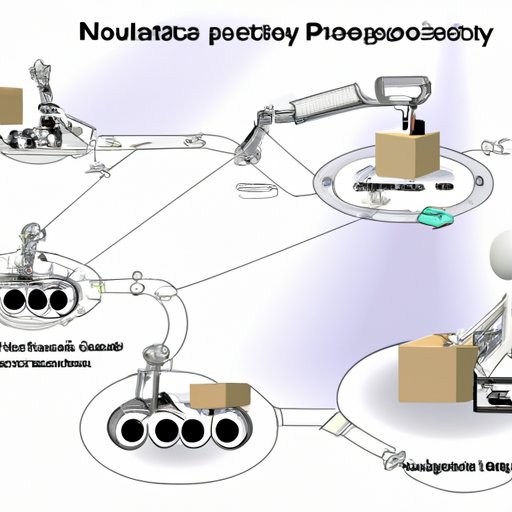
Automating inventory management is one of the most effective ways to restore supply chain efficiency. Automation can reduce manual errors and improve accuracy, while providing real-time visibility into stock levels. This allows businesses to better manage their inventory and ensure timely delivery of goods.
Streamlining logistics processes is another important step. Automation can help simplify complex tasks, such as routing, scheduling, and tracking shipments. This can reduce costs and improve efficiency, allowing businesses to deliver products faster and more cost-effectively.
Utilizing predictive analytics is also beneficial. Companies can use predictive analytics to anticipate customer demand, identify potential risks, and optimize operations. This can help businesses make informed decisions and reduce the risk of disruption.
Evaluating Government Policies to Mitigate Supply Chain Disruptions
Governments around the world have implemented a range of policies to mitigate the impacts of supply chain disruptions. These include enhancing trade agreements, encouraging cross-border collaboration, and supporting small businesses. Governments should also focus on improving infrastructure and transportation networks, as well as investing in research and development to foster innovation.
In addition, governments should consider implementing incentives for businesses to adopt innovative technologies, such as blockchain and robotics. This can help to improve efficiency and increase transparency in the supply chain.
Identifying Opportunities for Collaborative Solutions to Rebuild Supply Chains
Utilizing multi-party platforms is one way to foster collaboration between businesses and suppliers. Platforms such as blockchain and distributed ledger technologies can facilitate the sharing of data, improve transparency, and reduce costs. They can also provide real-time visibility into the supply chain, allowing businesses to better manage their operations.
Investing in sustainable supply chain solutions is also important. Companies should focus on developing and implementing strategies that promote sustainability, such as reducing emissions, minimizing waste, and using renewable energy sources. This can help to reduce the environmental impact of supply chain operations.
Finally, companies should develop long-term strategies for rebuilding their supply chains. This includes establishing partnerships, identifying areas of risk, and implementing measures to ensure continuity in the event of future disruptions.
Conclusion: Summary and Outlook
Rebuilding global supply chains in the wake of the COVID-19 pandemic presents a number of challenges and opportunities. Companies must restructure processes, re-establish vendor connections, and leverage technology to enhance visibility. They must also embrace automation and AI, invest in sustainable solutions, and collaborate with partners to ensure the continuity of their operations.
Government policies can also play a role in mitigating supply chain disruptions. Governments should focus on improving infrastructure, supporting small businesses, and incentivizing the adoption of innovative technologies. In doing so, they can create an environment that supports the resilience and efficiency of global supply chains.
As businesses seek to resume operations, it is essential to understand the various challenges and strategies involved in rebuilding global supply chains. By taking a proactive approach, companies can ensure the continuity of their operations and capitalize on the opportunities presented by the new normal.
(Note: Is this article not meeting your expectations? Do you have knowledge or insights to share? Unlock new opportunities and expand your reach by joining our authors team. Click Registration to join us and share your expertise with our readers.)