
Introduction
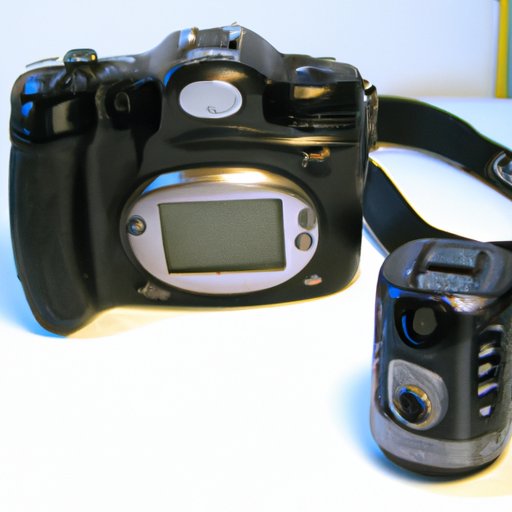
The digital camera revolutionized the world of photography, providing a way for people to capture moments with ease and convenience. But when was the digital camera invented? This article takes a closer look at the history of this revolutionary technology and its impact on photography.
A Historical Look at the Invention of the Digital Camera
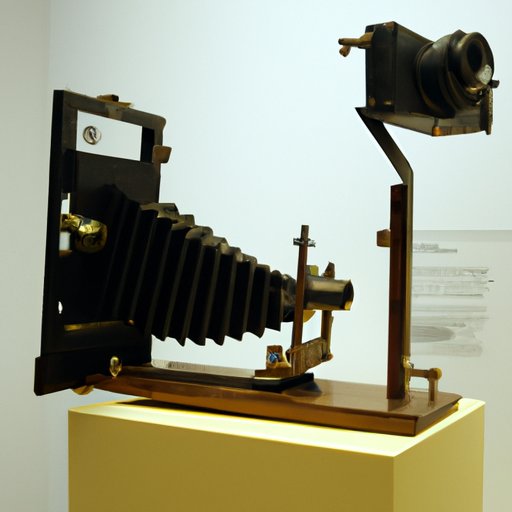
The concept of a digital camera has been around since the 1940s, when the first experiments with electronic imaging began. However, the first commercially successful digital camera didn’t arrive until 1975. That year, Steven Sasson, an engineer at Eastman Kodak, created the first digital camera using a charge-coupled device (CCD) image sensor. The camera weighed 8 pounds and took 23 seconds to capture an image, which was then stored on a cassette tape.
Since then, digital cameras have come a long way. Today, they are smaller, lighter, and much more powerful than their predecessors. They allow photographers to take stunning images with just the click of a button.
Exploring the Technology Behind the Digital Camera
Digital cameras work by capturing light and converting it into digital data. This data is then processed by the camera’s internal processor and saved as an image file. Most digital cameras also have a variety of features that make it easier to take great photos, such as autofocus and image stabilization.
The technology behind digital cameras has continued to evolve over the years. For example, newer models now feature higher resolution sensors, faster processors, and increased storage capacity. This has enabled photographers to capture higher quality images with greater detail.
How Digital Cameras Changed Photography Forever
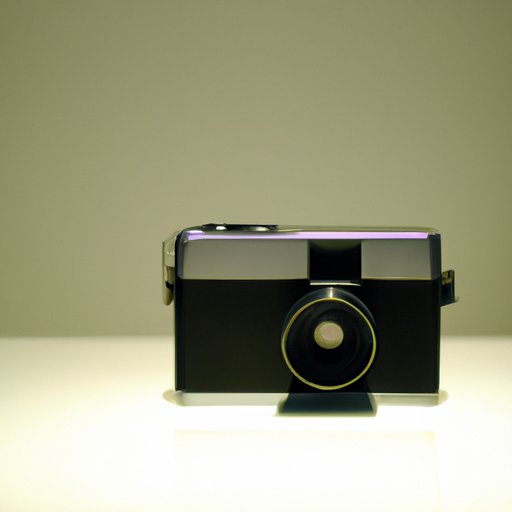
The introduction of digital cameras changed the way people take photos forever. It allowed photographers to experiment with different techniques and create images that would have been impossible with traditional film cameras. Additionally, digital cameras made it easier to share images with others, thanks to the development of photo-sharing websites like Flickr and Instagram.
Digital cameras also made it easier to edit and manipulate photos. With programs like Photoshop, photographers can tweak colors, add effects, and even combine multiple images into one. This makes it possible to create unique works of art that were not possible before.
The Pioneers of the Digital Camera
The invention of the digital camera would not have been possible without the work of several pioneering engineers and scientists. One of the most influential figures in this field was Steve Sasson, who created the first digital camera while working at Eastman Kodak. His groundbreaking invention paved the way for the modern digital camera.
Other pioneers in this field include Willard Boyle and George Smith, who invented the CCD image sensor, and Eugene F. Lally, who developed the first digital camera system. These individuals helped to make digital photography what it is today.
A Timeline of the Digital Camera’s Evolution
Since its inception, the digital camera has undergone significant changes. Here is a timeline of some of the major milestones in the evolution of digital cameras:
- 1975: Steven Sasson creates the first digital camera.
- 1984: Sony releases the first consumer digital camera.
- 1991: Kodak introduces the first professional digital SLR camera.
- 2001: Canon releases the EOS-1D, the first DSLR camera with a full-frame sensor.
- 2008: Nikon introduces the first full-frame mirrorless camera.
- 2017: Sony releases the first consumer digital camera with a full-frame sensor.
As you can see, digital cameras have come a long way since their inception. They have become smaller, more powerful, and capable of producing stunning images.
The Impact of the Digital Camera on Modern Photography
Today, digital cameras are ubiquitous. They are used by everyone from amateur photographers to professional wedding photographers. Digital cameras have made it easier than ever for people to take stunning images and share them with friends and family.
Digital cameras have also had a major impact on the photography industry. Professional photographers no longer need to buy and process rolls of film, saving them money and time. Digital cameras have also allowed photographers to experiment with new techniques, such as HDR and panoramic photography.
Comparing Classic and Digital Cameras
Despite their many advantages, digital cameras still have some drawbacks compared to classic cameras. For example, digital cameras tend to be more expensive than classic cameras. Additionally, digital cameras require batteries, which can be inconvenient if you’re on the go. Finally, digital cameras don’t offer the same level of tactile experience as classic cameras.
However, these drawbacks are small compared to the benefits offered by digital cameras. Digital cameras are more versatile and capable of taking higher quality images than classic cameras. They are also easier to use and provide a range of features that make it easier to capture stunning images.
Conclusion
In conclusion, the digital camera has revolutionized the world of photography. It has made it easier than ever to take stunning images and share them with friends and family. Additionally, digital cameras have opened up new possibilities for photographers, allowing them to experiment with new techniques and produce amazing works of art.
The invention of the digital camera was made possible by the work of several pioneering engineers and scientists. Since its inception, the technology has continued to evolve, making digital cameras smaller, more powerful, and capable of producing higher quality images than ever before.
The digital camera has changed the way we take photos forever. It has opened up new possibilities for photographers and allowed us to capture moments that would otherwise be lost forever.
(Note: Is this article not meeting your expectations? Do you have knowledge or insights to share? Unlock new opportunities and expand your reach by joining our authors team. Click Registration to join us and share your expertise with our readers.)