
Introduction
Having a c-section can be a physically and emotionally challenging experience for any woman. Many women are eager to get back into their normal routine as soon as possible, including returning to exercise. But it’s important to remember that the body needs time to recover from major surgery. Understanding when to start exercising after a c-section and which exercises are safe can help ensure a healthy and successful recovery.
What Is a C-Section?
A cesarean section (or c-section) is a surgical procedure in which a baby is delivered through an incision in the mother’s abdomen. This procedure is typically done when there are complications during labor, such as if the baby is in distress or the mother has certain medical conditions. Although c-sections are generally safe and effective, they can take longer to recover from than a natural birth.
Benefits of Post-C-Section Exercise
Exercise after a c-section can help promote physical and mental health. Regular exercise can reduce stress, improve sleep, and help the body return to its pre-pregnancy shape. Exercise can also help strengthen the core muscles, which can help prevent back pain and other post-pregnancy issues. Additionally, exercise can boost energy levels and help with weight loss.
How Soon After a C-Section Can You Start Exercising?
It is important to wait until your doctor clears you for exercise before starting any type of post-c-section workout. Generally speaking, women should wait at least 6 weeks before engaging in any type of strenuous activity. However, this timeline may vary depending on individual factors and the type of surgery performed.
When to Get Professional Advice
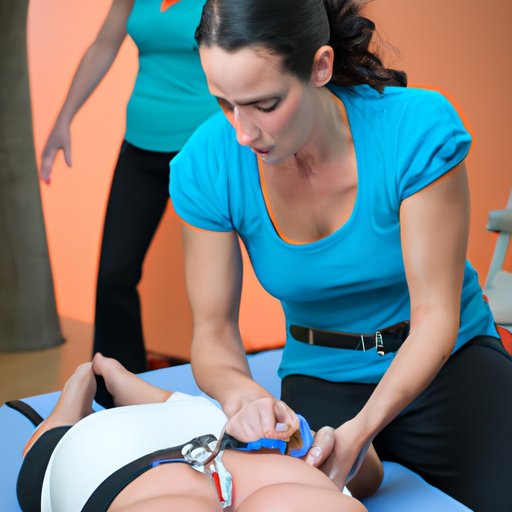
If you have any questions or concerns about when to start exercising after a c-section, it is best to consult with your doctor. Your doctor can provide personalized advice based on your individual circumstances. Additionally, consulting with a physical therapist or personal trainer who specializes in postpartum care can help ensure you are taking the proper precautions and following a safe exercise program.
What Type of Exercise Is Safe After a C-Section?
Once you have been cleared by your doctor, there are many types of low-impact exercises that are safe to do after a c-section. These include low-impact cardiovascular exercise, strengthening exercises, and stretching and mobility exercises.
Low-Impact Cardiovascular Exercise
Low-impact cardiovascular exercise is a great way to get your heart rate up without putting too much strain on your body. Examples of low-impact cardio exercises include walking, swimming, and biking. These activities can help build endurance and strength while allowing your body to rest and heal.
Strengthening Exercises
Strengthening exercises are important for rebuilding the abdominal and pelvic floor muscles. Some examples of strengthening exercises include squats, lunges, planks, and wall sits. Using light weights or resistance bands can help you challenge your muscles without straining them.
Stretching and Mobility Exercises
Stretching and mobility exercises can help improve flexibility, range of motion, and posture. Examples of stretching and mobility exercises include yoga, Pilates, and foam rolling. These exercises can help reduce tension in the muscles and provide relief from post-c-section pain.
Understanding the Benefits and Risks of Post-C-Section Exercise
Although exercise can be beneficial after a c-section, it is important to understand the potential risks associated with post-c-section exercise. Overdoing it can put too much strain on the body, leading to injury or further complications. It is therefore important to listen to your body and take breaks as needed.
Benefits
Regular exercise after a c-section can help reduce stress, improve sleep, and aid in post-pregnancy weight loss. Exercise can also help strengthen the core muscles, which can help reduce the risk of lower back pain and other post-pregnancy issues.
Risks
Overdoing it can put too much strain on the body, leading to injury or further complications. Additionally, some exercises may not be suitable for those who have had a c-section, such as high-impact exercises or heavy lifting. It is important to talk to your doctor before beginning any exercise program.
Tips for Starting an Exercise Program After a C-Section
When starting an exercise program after a c-section, there are a few things to keep in mind. First, it is important to listen to your body and take breaks as needed. Second, wear comfortable clothing that allows you to move freely. Lastly, start slowly and gradually increase intensity over time.
What to Avoid
High impact exercise, such as running, jumping, or plyometrics, should be avoided for at least 6 weeks after a c-section. Additionally, heavy weights and abdominal exercises should be avoided until the body has had adequate time to heal.
Advice for Returning to Exercise After a C-Section
Before starting any type of exercise program after a c-section, it is important to talk to your doctor. Your doctor can provide personalized advice based on your individual circumstances. Additionally, seeking professional guidance from a physical therapist or personal trainer can help ensure you are taking the proper precautions and following a safe exercise program.
A Guide to Gradually Increasing Intensity After a C-Section
Once you have been cleared by your doctor, you can begin to gradually increase the intensity of your workouts. Start with low-impact, low-intensity exercises such as walking or swimming. Gradually increase the duration of your workouts, and then progress to more intense exercises. As you become stronger, you can add in more challenging exercises such as strength training or interval training.
Conclusion
Returning to exercise after a c-section can be an important part of the recovery process. However, it is important to make sure you are following the proper guidelines and taking the necessary precautions. Knowing when to start exercising after a c-section and which exercises are safe can help ensure a healthy and successful recovery.
(Note: Is this article not meeting your expectations? Do you have knowledge or insights to share? Unlock new opportunities and expand your reach by joining our authors team. Click Registration to join us and share your expertise with our readers.)