

Introduction
Bitcoin halvings are an integral part of the cryptocurrency’s history and future. They happen every four years or so, when the amount of newly issued bitcoin is reduced by half. This has a direct impact on supply and demand, as well as miner rewards and price volatility. In this article, we’ll explore the basics of bitcoin halvings, as well as their potential implications for the future of the digital currency.
What Is a Bitcoin Halving and How Does It Affect Supply and Demand?
A bitcoin halving is a process that occurs approximately every four years in which the amount of newly issued bitcoin is cut in half. This reduces the rate at which new coins are introduced into circulation, thus reducing the overall supply of bitcoin. As a result, the demand for existing coins increases, driving up their value.
The halving also affects the mining reward. Miners receive a reward for verifying transactions on the blockchain and this reward is halved during the halving event. This means that miners receive fewer coins for each transaction they process, which can have a significant impact on their profitability.
There are several factors that influence the price of bitcoin after a halving event. These include the current market conditions, investor sentiment and the overall demand for the coin. The halving can also have an indirect effect on the price, as it affects the amount of coins that miners are willing to sell. As the reward decreases, miners may be less willing to sell their coins, thus increasing the scarcity of the asset and driving up its price.

A Timeline of Bitcoin Halving Events
The first bitcoin halving occurred in November 2012. Since then, there have been two more halvings in July 2016 and May 2020. The next halving is expected to take place in 2024.
The dates of previous halvings are as follows:
- November 2012
- July 2016
- May 2020
How Bitcoin Halvings Impact Miners and Their Rewards
As mentioned above, the halving event has a direct impact on miner rewards. Prior to the halving, miners received 12.5 BTC per block. After the halving, this amount was reduced to 6.25 BTC. This means that miners now receive half as much for each block they process.
The reduction in rewards can have a significant impact on miners, as it reduces their profits. This could lead to some miners leaving the network, resulting in a decrease in hash rate and a decrease in security for the network.
Understanding the Basics of Bitcoin Halving
The halving is a predetermined event that is written into the source code of the bitcoin protocol. It is designed to ensure that the total supply of bitcoin does not exceed 21 million coins. As more coins are mined, the reward for mining new blocks is halved. This keeps the supply of coins in check and prevents inflation.
The halving also serves another purpose. It ensures that miners are rewarded for their work in maintaining the network. As the reward halves, miners are incentivized to continue mining in order to make a profit. This helps to keep the network secure and running smoothly.
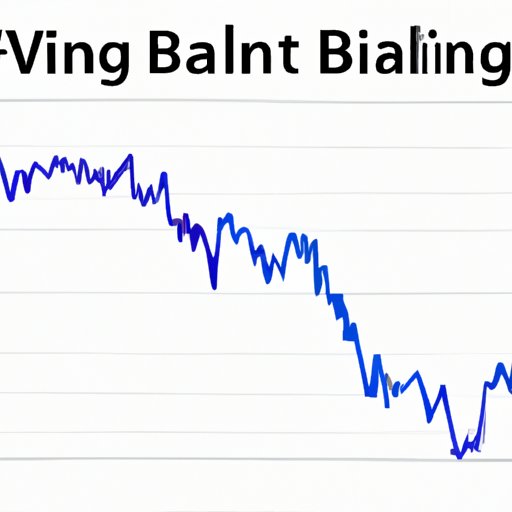
Examining the Potential Impact of Bitcoin Halvings on Price Volatility
The halving can have an indirect effect on the price of bitcoin, as it affects the amount of coins that miners are willing to sell. As the reward decreases, miners may be less willing to sell their coins, thus increasing the scarcity of the asset and driving up its price. This can lead to increased price volatility, as the demand for the coin fluctuates.
In addition, the halving can lead to speculation about the future of the coin. As the reward decreases, investors may become more cautious about investing in the coin. This can lead to increased volatility as investors try to predict the future price of the asset.
The History and Future of Bitcoin Halvings
The bitcoin halving has been a part of the cryptocurrency’s history since the beginning. It was designed to ensure that the total supply of bitcoin does not exceed 21 million coins and to incentivize miners to continue to maintain the network. The halvings have had a significant impact on the price of the coin, as they have affected the amount of coins that miners are willing to sell.
The future of bitcoin halvings is uncertain. It is unclear what effect the halving will have on the price of the coin in the long term. Some experts believe that the halving will lead to increased price volatility, while others believe that it will have no effect. Only time will tell what the true impact of the halving will be.
Conclusion
Bitcoin halvings are an integral part of the cryptocurrency’s history and future. They occur every four years, when the amount of newly issued bitcoin is reduced by half. This has a direct impact on supply and demand, as well as miner rewards and price volatility. The halving can also lead to increased speculation and price volatility, as investors try to predict the future price of the asset.
This article has explored the basics of bitcoin halvings, as well as their potential implications for the future of the digital currency. While the future of bitcoin halvings is uncertain, it is clear that they will continue to be an important part of the cryptocurrency’s history.
(Note: Is this article not meeting your expectations? Do you have knowledge or insights to share? Unlock new opportunities and expand your reach by joining our authors team. Click Registration to join us and share your expertise with our readers.)