

Introduction
Personality is a complex concept that defines who we are as individuals. It is the combination of our thoughts, feelings, and behaviors that make us unique from others. Although all humans share certain basic characteristics, it is our individual personalities that set us apart. Understanding the different stages of personality development can help us better understand ourselves and those around us.
In this article, we will explore the various stages of personality development, from early childhood to adulthood. We will examine the roles of nature and nurture, environment and genetics, parenting styles, social interactions, culture, peers, and life experiences in shaping our personalities. By the end of this article, you should have a better understanding of how and when personality develops.
Part 1: Analyzing the Different Stages of Personality Development
Personality is a dynamic process that begins in early childhood and continues throughout our lives. While some aspects of our personalities remain relatively stable over time, other aspects may change depending on our life experiences. To better understand personality development, let’s take a closer look at the different stages.
Introduction to the Different Stages of Development
The first stage of personality development typically occurs during infancy and early childhood (0-6 years). During this period, children develop their sense of self and begin to form relationships with caregivers and peers. The second stage of personality development occurs during middle childhood (7-12 years). During this period, children experience physical, cognitive, and psychosocial changes that further shape their personalities. The third stage of personality development occurs during adolescence (13-18 years). During this period, teenagers become more independent and begin to explore their identity. Finally, the fourth stage of personality development occurs during adulthood (19+ years). During this period, adults continue to refine their personalities as they encounter new life experiences.
The Role of Nature vs. Nurture in Personality Development
One of the most popular debates in psychology is the nature vs. nurture debate. This debate centers on the idea of whether our personalities are determined by our biology (nature) or our environment (nurture). Research suggests that both play a role in personality development. Our biology influences how we think, feel, and behave, while our environment influences our experiences and how we interpret them.
Examining the Influence of Cognitive Development on Personality Development
Cognitive development also plays an important role in personality development. Cognitive development refers to the changes in thinking, problem solving, memory, and language abilities that occur as a person matures. These changes can affect how we perceive and react to the world around us, which in turn can influence our personalities. For example, a person with advanced cognitive skills may be more open to new ideas and experiences than someone with less developed cognitive skills.
Part 2: Examining How Environment and Genetics Influence Personality Development
In addition to nature and nurture, our environment and genetics can also influence personality development. Let’s take a closer look at how these two factors affect our personalities.
Exploring the Impact of Environmental Factors on Personality Development
Our environment plays an important role in shaping our personalities. Our families, friends, and communities can all influence our personalities in different ways. For example, our parents’ expectations and values can shape our beliefs and behaviors. Our peers can also influence our behavior, as we often strive to fit in with our social group. Finally, our culture can shape our beliefs and behaviors as well. For example, cultures that place a high value on conformity may lead to people developing personalities that conform to societal norms.
Investigating the Role of Genetics in Personality Development
Genetics can also influence personality development. Research suggests that certain genetic traits can increase the likelihood of developing certain personality traits. For example, studies have shown that people with a particular gene variant are more likely to be extraverted and outgoing. However, this does not mean that genetics are the only factor influencing personality development. Environmental factors still play an important role in shaping our personalities.

Part 3: Exploring the Impact of Early Childhood Experiences on Personality Development
Early childhood experiences can also have a significant influence on personality development. Let’s take a closer look at how parenting styles, social interactions, and other experiences can shape our personalities.
Examining the Effects of Parenting Styles on Personality Development
Parenting styles can have a major impact on personality development. Authoritarian parents, for example, tend to be very strict and demanding. Children raised by authoritarian parents may develop personalities that are obedient and compliant, but also anxious and insecure. On the other hand, permissive parents tend to be more lenient and accepting of their children’s behavior. Children raised by permissive parents may develop personalities that are creative and independent, but also impulsive and irresponsible.
Investigating the Role of Social Interactions in Personality Development
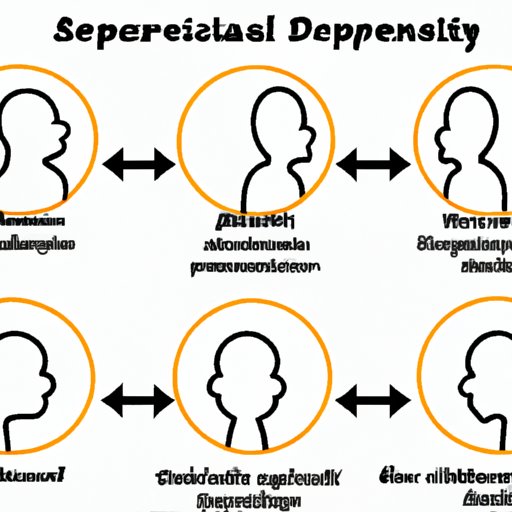
Social interactions also play an important role in personality development. Children who have positive relationships with their peers tend to develop healthy personalities. They learn important social skills such as communication and cooperation, which can help them become successful in their future relationships. On the other hand, children who lack positive social interactions may develop personalities that are isolated and withdrawn.
Part 4: Investigating the Role of Socialization in Personality Development
In addition to parenting styles and social interactions, our culture and society can also influence our personalities. Let’s take a closer look at how culture and society shape our personalities.
Understanding the Impact of Culture and Society on Personality Development
Culture and society can have a powerful influence on personality development. Cultures that emphasize individualism, for example, may lead to people developing personalities that are independent and self-reliant. On the other hand, cultures that emphasize collectivism may lead to people developing personalities that are interdependent and focused on the needs of the group. Similarly, societies that emphasize competition may lead to people developing personalities that are competitive and achievement-oriented.
Exploring the Influence of Peers and Friends on Personality Development
Peers and friends can also influence personality development. Positive relationships with peers can help children develop healthy personalities, while negative relationships can lead to unhealthy personalities. For example, children who are accepted by their peers may develop personalities that are confident and secure, while children who are rejected by their peers may develop personalities that are anxious and insecure.
Part 5: Assessing the Effect of Adulthood Events on Personality Development
Adulthood events such as education and career choices can also have a significant influence on personality development. Let’s take a closer look at how these events can shape our personalities.
Examining the Impact of Education and Career Choices on Personality Development
Education and career choices can have a major influence on personality development. People who pursue higher levels of education, for example, may develop personalities that are more open-minded and creative. On the other hand, people who pursue lower levels of education may develop personalities that are more conservative and traditional. Similarly, people who pursue careers that require leadership skills may develop personalities that are assertive and decisive, while people who pursue careers that require more creative skills may develop personalities that are more creative and artistic.
Investigating the Role of Life Experiences in Personality Development
Life experiences can also have a significant influence on personality development. People who have had positive life experiences, such as travel or volunteering, may develop personalities that are more open and tolerant. On the other hand, people who have had negative life experiences, such as trauma or abuse, may develop personalities that are more guarded and distrustful. As we can see, life experiences can have a major impact on our personalities.
Conclusion
In conclusion, personality is a dynamic process that begins in early childhood and continues throughout our lives. Nature and nurture, environment and genetics, parenting styles, social interactions, culture, peers, and life experiences all play an important role in shaping our personalities. Understanding the different stages of personality development can help us better understand ourselves and those around us.
By considering the various factors that influence personality development, we can gain insight into why we are the way we are. Ultimately, understanding personality development can help us become more aware of our own personalities and how they may be affecting our lives.
(Note: Is this article not meeting your expectations? Do you have knowledge or insights to share? Unlock new opportunities and expand your reach by joining our authors team. Click Registration to join us and share your expertise with our readers.)