

Introduction
The start of a new year is often celebrated with joy and festivities around the world. Every culture has its own traditions for welcoming in the new year, from fireworks and parades to special dishes and days off from work. In this article, we’ll explore when other cultures celebrate the new year and examine some of the unique ways they mark the occasion.
Definition of New Year’s Celebrations
New Year’s celebrations are held annually to commemorate the beginning of a new year according to the Gregorian calendar. It is typically observed on January 1st, although some cultures observe it on different dates. The celebration usually involves fireworks, parties, and other festivities.
Overview of Different Celebrations Around the World
New Year’s celebrations take place all over the world, but each culture has its own unique way of welcoming in the new year. In some places, like China, the celebrations last for several days. In others, like Japan, the festivities are more subdued. Here, we’ll take a look at how different cultures around the world celebrate the coming of a new year.
Different Traditions for Welcoming in the New Year
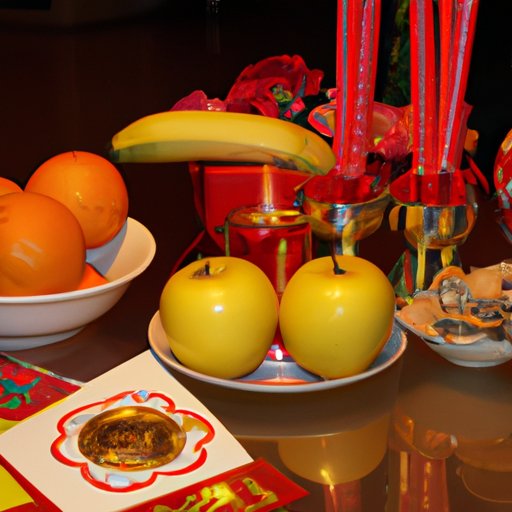
A comparison of how other cultures celebrate the new year reveals many interesting differences. Each culture has its own unique customs and traditions for welcoming in the new year.
Chinese New Year
Chinese New Year, also known as the Spring Festival, is celebrated on the first day of the Chinese lunar calendar. It typically falls between late January and early February. On this day, people gather together to eat traditional foods, exchange gifts, and set off firecrackers. Red envelopes containing money are also given to children.
Japanese New Year
In Japan, the New Year is celebrated on January 1st and is called Oshogatsu. This is one of the most important holidays in Japan and is marked by many special rituals and traditions. Families gather together to eat traditional dishes such as osechi-ryori and mochi, and visit shrines and temples to pray for good luck in the coming year.
Indian New Year
India celebrates the New Year twice a year. The first is on April 13th or 14th, depending on the year, and is called Vaisakhi or Baisakhi. This marks the beginning of the Hindu solar year and is celebrated with music, dance, and feasts. The second is Diwali, which takes place in October or November and is celebrated with lights, fireworks, and gift exchanges.
African New Year
In Africa, the New Year is celebrated differently depending on the country and culture. Some countries, such as Ethiopia, celebrate the New Year on September 11th, while others, such as South Africa, celebrate it on December 31st. In some parts of Africa, the New Year is celebrated with dancing, singing, and feasting.
European New Year
In Europe, the New Year is typically celebrated on December 31st with parties, fireworks, and other festivities. Many cities, such as London and Paris, host spectacular fireworks displays to mark the occasion. People also gather in public squares to count down to midnight and welcome in the new year.
An Interview with People from Different Cultures Discussing their New Year’s Celebrations
To get a better glimpse into how different cultures around the world celebrate the new year, we interviewed three people from different backgrounds. Here’s what they had to say:
Lia, Chinese American: “Growing up in the US, I always celebrated Chinese New Year with my family. We’d make traditional dishes like dumplings and noodles, exchange red envelopes, and set off firecrackers. It was always a really fun time!”
Ravi, Indian American: “Diwali is one of my favorite holidays. We always decorate our house with lights and candles, have a big feast, and exchange gifts. We also make rangoli patterns on the floor with colored rice and flowers.”
Kofi, African American: “Growing up in Africa, we celebrated the New Year with dancing and singing. We’d make traditional dishes, such as jollof rice, and exchange gifts. It was always a really fun time!”
How Various Countries Ring in the New Year
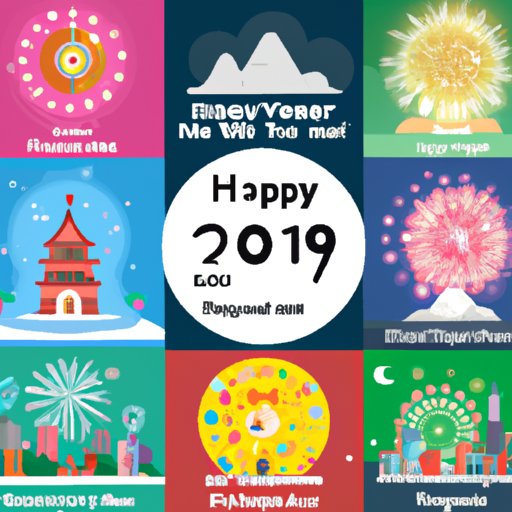
Now that we’ve looked at how different cultures around the world celebrate the new year, let’s take a look at how some specific countries ring in the new year.
China
In China, the New Year is celebrated for 15 days, starting on the first day of the Chinese lunar calendar. The festivities include dragon and lion dances, parades, and the lighting of firecrackers. People also visit friends and family, give gifts, and eat traditional dishes such as dumplings and noodles.
Japan
In Japan, the New Year is celebrated on January 1st and is called Oshogatsu. Families gather together to eat traditional dishes such as osechi-ryori and mochi, and visit shrines and temples to pray for good luck in the coming year. Children receive small gifts and money in special envelopes, and watch special New Year’s programs on television.
India
In India, the New Year is celebrated twice a year. The first is on April 13th or 14th, depending on the year, and is called Vaisakhi or Baisakhi. This marks the beginning of the Hindu solar year and is celebrated with music, dance, and feasts. The second is Diwali, which takes place in October or November and is celebrated with lights, fireworks, and gift exchanges.
Africa
In Africa, the New Year is celebrated differently depending on the country and culture. Some countries, such as Ethiopia, celebrate the New Year on September 11th, while others, such as South Africa, celebrate it on December 31st. In some parts of Africa, the New Year is celebrated with dancing, singing, and feasting.
Europe
In Europe, the New Year is typically celebrated on December 31st with parties, fireworks, and other festivities. Many cities, such as London and Paris, host spectacular fireworks displays to mark the occasion. People also gather in public squares to count down to midnight and welcome in the new year.
Historical Perspectives on New Year’s Celebrations Across the Globe
The history of New Year’s celebrations is as varied and diverse as the cultures that celebrate them. Let’s take a look at some of the oldest and most enduring traditions from around the world.
Ancient Egypt
In ancient Egypt, the New Year was celebrated with a festival honoring the god of fertility, Min. The festival lasted twelve days, during which time people celebrated with feasts, music, and games. At the end of the festival, the Pharaoh would make an offering to Min, who was believed to bring good fortune for the coming year.
Roman Empire
In the Roman Empire, the New Year was celebrated with a festival called the Saturnalia. This festival honored the god Saturn and was celebrated with feasts, sacrifices, and revelry. The festival was so popular that it was eventually adopted by other cultures, including the Celts and Germanic tribes.
Medieval Times
During the Middle Ages, New Year’s celebrations were generally held on March 25th, which was the start of the Christian year. People celebrated with feasts, pageants, and masquerades. They also exchanged gifts and wrote poems to honor the coming of the new year.
Conclusion
New Year’s celebrations around the world are as diverse and varied as the cultures that celebrate them. From ancient Egypt to modern day Europe, each culture has its own unique way of welcoming in the new year. Whether it’s with dragon dances, feasts, fireworks, or prayers, people around the world come together to celebrate the start of a new year and wish for good luck in the coming months.
Summary of Findings
This article explored when different cultures around the world celebrate the new year. We looked at how various cultures, such as China, Japan, India, Africa, and Europe, mark the occasion with their own unique customs and traditions. We also examined the historical perspectives on New Year’s celebrations and how they have evolved over time. Finally, we interviewed three people from different backgrounds to get a better glimpse into how different cultures around the world celebrate the new year.
Final Thoughts on New Year’s Celebrations
No matter where you are in the world, the coming of a new year is always a cause for celebration. It’s a time to reflect on the past year and look forward to what the future will bring. So, no matter what culture you come from, take time to enjoy the festivities and make the most out of the new year ahead.
(Note: Is this article not meeting your expectations? Do you have knowledge or insights to share? Unlock new opportunities and expand your reach by joining our authors team. Click Registration to join us and share your expertise with our readers.)