
Introduction
For many women, travel is an important part of their lives. However, when you are pregnant, it can be difficult to know when is the right time to take a trip. There are many factors to consider when determining whether or not it is safe for a pregnant woman to fly, including her health, the stage of her pregnancy, and the length of the flight.
Pregnancy is defined as the period from conception to birth, which typically lasts around 40 weeks. During this time, a woman’s body undergoes a number of changes, some of which may have implications for air travel. It is important for pregnant women to understand the risks associated with flying before making a decision about whether or not to travel by air.

Tips for Pregnant Women Traveling by Air
If you are pregnant and considering traveling by air, there are a few steps you can take to increase your comfort and safety on the flight. First, make sure to check with your doctor before booking a flight. Your doctor will be able to advise you on whether or not it is safe for you to fly, as well as any precautions you should take while in the air.
When choosing a flight, try to choose one that has fewer stops, as the more times you have to get on and off the plane, the greater the risk of something going wrong. Additionally, try to select a flight that departs at a reasonable hour, as this will help reduce the stress and fatigue of the journey.
Finally, make sure to arrive at the airport early. This will allow you to get through security and find your gate without feeling rushed or stressed. It will also give you time to rest before boarding the plane.
Flying While Pregnant: What You Need to Know
It is important to understand the risks associated with flying while pregnant. The cabin pressure in an airplane is lower than on the ground, which means that the oxygen levels in the air are also lower. This can be particularly dangerous for pregnant women, as the fetus relies on the mother for oxygen.
Additionally, flying can increase the risk of deep vein thrombosis (DVT), a potentially life-threatening condition caused by a blood clot in the legs. This can occur due to dehydration and long periods of sitting still. Flying can also expose passengers to increased levels of radiation, which may be harmful to both the mother and the baby.
In order to minimize these risks, it is important to be prepared. Make sure to bring enough water and snacks for the duration of the flight. Wear comfortable clothing that does not restrict movement, and consider using compression stockings to prevent DVT.
When to Fly During Pregnancy
The best time to fly during pregnancy depends on the stage of the pregnancy. The first trimester is generally considered the safest time to fly, as the risks of miscarriage and other complications are lower. However, it is important to discuss the risks of air travel with your doctor before booking a flight.
The second trimester is generally considered the most comfortable time to fly, as the risk of miscarriage has decreased, but the mother is not yet too large or uncomfortable. The third trimester is the least desirable time to fly, as the risk of preterm labor increases and the mother may be uncomfortable.
Flying While Pregnant: Risks and Recommendations
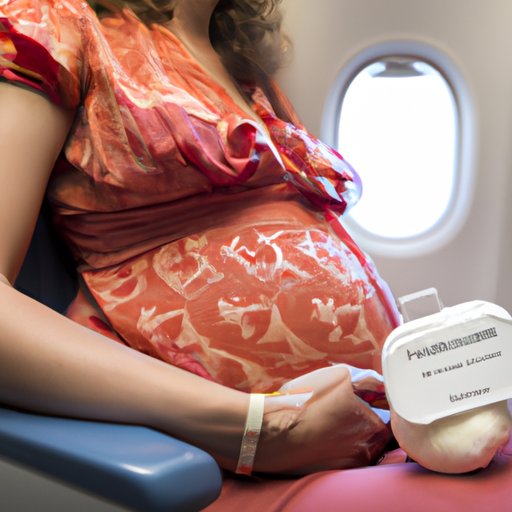
When flying during pregnancy, it is important to understand the risks and take proper precautions. Low oxygen levels in the cabin can be dangerous for pregnant women, as the fetus relies on the mother for oxygen. Additionally, prolonged periods of sitting can increase the risk of DVT, and exposure to radiation may be harmful to both the mother and the baby.
To reduce these risks, pregnant women should wear comfortable clothing, stay hydrated, and bring snacks. Compression stockings can also help to reduce the risk of DVT. Avoid caffeine and alcohol, and move around frequently to keep the blood flowing.

How to Stay Comfortable and Safe on a Flight While Pregnant
When flying while pregnant, it is important to take measures to ensure your comfort and safety. Choose the right seat on the plane, as this will help to reduce the risk of DVT and make you more comfortable. Consider selecting an aisle seat, as this will allow you to get up and walk around more easily.
Avoid caffeine and alcohol, as these can cause dehydration. Bring plenty of water and snacks to keep yourself hydrated and nourished throughout the flight. Move around frequently, as this will help to keep the blood flowing and reduce the risk of DVT.
Conclusion
Traveling by air while pregnant can be a stressful experience, but with the proper preparation and precautions, it can be a safe and comfortable journey. Make sure to check with your doctor before booking a flight, as they can provide advice on the risks associated with flying while pregnant. Be prepared, select the right seat on the plane, and make sure to stay hydrated and move around frequently.
(Note: Is this article not meeting your expectations? Do you have knowledge or insights to share? Unlock new opportunities and expand your reach by joining our authors team. Click Registration to join us and share your expertise with our readers.)