
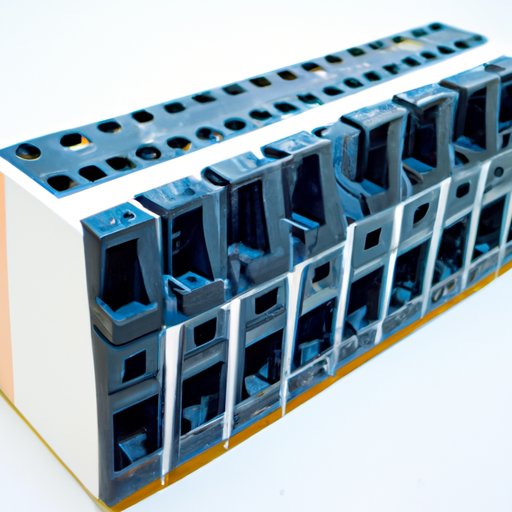
Introduction
Circuit breakers are a vital part of any home’s electrical system. They are responsible for cutting off power to an overloaded electrical circuit, preventing it from overheating and potentially starting a fire. When a circuit breaker trips, it’s important to understand why it happened so that you can take corrective action and prevent it from happening again.
In this article, we’ll explore the most common causes of circuit breaker tripping, as well as what to do when your breaker keeps tripping. We’ll also discuss the basics of how circuit breakers work and how overloads occur, and provide tips for preventing circuit breaker tripping and avoiding the risk of fire.
The Causes of Circuit Breaker Tripping
There are several potential causes of circuit breaker tripping, including:
1. Overloading the Circuit
One of the most common causes of circuit breaker tripping is overloading the circuit. This occurs when too many appliances are plugged into one outlet or when too many outlets are connected to one circuit. According to a study from the National Fire Protection Association, “electrical distribution systems were involved in an estimated average of 44,880 reported U.S. non-confined home structure fires per year during 2013-2015.” Overloading circuits was the leading cause of these fires.
2. Short Circuits
Short circuits occur when two wires touch each other, allowing electricity to flow through them without resistance. This creates an excessive amount of current, which can cause a circuit breaker to trip. According to the NFPA report, short circuits caused an estimated average of 17,800 non-confined home structure fires in the U.S. per year during 2013-2015.
3. Ground Faults
Ground faults occur when an appliance’s power cord is damaged or frayed, allowing electricity to leak from the appliance into the ground. This can cause a circuit breaker to trip. The NFPA report found that ground faults caused an estimated average of 15,300 non-confined home structure fires in the U.S. per year during 2013-2015.
4. Loose Electrical Connections
Loose electrical connections can cause arcing, which is when electricity jumps between two points. This can create a lot of heat and cause a circuit breaker to trip. The NFPA report found that loose electrical connections caused an estimated average of 7,400 non-confined home structure fires in the U.S. per year during 2013-2015.

Troubleshooting Electrical Problems: Why Breakers Trip
1. Testing and Resetting a Tripped Breaker
If your circuit breaker trips, the first step is to test and reset it. To test the breaker, turn off all of the appliances and devices in the affected circuit. Then, switch the breaker back on. If it trips again, then you know there is an underlying problem.
2. What to Do When Your Breaker Keeps Tripping
If your breaker keeps tripping, then it’s time to call a qualified electrician to diagnose and fix the problem. An electrician can identify the cause of the problem and repair or replace any faulty wiring or components.

Understanding the Basics of Circuit Breakers and Overloads
1. How Circuit Breakers Work
A circuit breaker is a device that detects when the amount of current flowing through a circuit is too high and shuts off the circuit to prevent damage. It does this by interrupting the flow of electricity in the circuit. Circuit breakers are typically rated for a specific voltage and amperage, so it’s important to make sure you use the correct type of breaker for your application.
2. How Overloads Occur
An overload occurs when the amount of current flowing through a circuit is greater than the circuit breaker’s rating. This can cause the circuit breaker to trip, shutting off the power to the circuit. Overloads can be caused by a variety of factors, including using too many appliances on one circuit, using appliances with high wattage, and using extension cords.

Avoiding the Risk of Fire: Tips for Preventing Circuit Breaker Tripping
1. Inspecting Electrical Wiring Regularly
It’s important to inspect your electrical wiring regularly for signs of wear and tear. Look for signs of fraying, cracked insulation, and exposed wires. If you notice any of these issues, contact a qualified electrician to have the wiring inspected and repaired.
2. Replacing Old or Faulty Breakers
If your circuit breaker is old or has been damaged, it may not be capable of safely handling the current load. If this is the case, you should replace it with a new breaker that is rated for the appropriate voltage and amperage. This will help reduce the risk of circuit breaker tripping due to an overloaded circuit.
3. Utilizing Surge Protectors
Using surge protectors can help protect your appliances and electronics from power surges, which can cause your circuit breaker to trip. Surge protectors are relatively inexpensive and are available at most hardware stores.
Conclusion
Circuit breaker tripping can be caused by a variety of factors, including overloading the circuit, short circuits, ground faults, and loose electrical connections. It’s important to understand why your circuit breaker is tripping so that you can take corrective action and prevent it from happening again. To avoid the risk of fire, it’s important to inspect your electrical wiring regularly, replace old or faulty breakers, and utilize surge protectors.
(Note: Is this article not meeting your expectations? Do you have knowledge or insights to share? Unlock new opportunities and expand your reach by joining our authors team. Click Registration to join us and share your expertise with our readers.)