
Introduction
Walking for exercise is a great way to get started on a healthier lifestyle. It’s low-impact, easy to do, and can be done almost anywhere. Plus, there are many physical and mental health benefits associated with walking as an exercise. In this article, we’ll explore what walking for exercise is and why it’s so beneficial. We’ll also discuss how to make walking your primary exercise, the science behind walking for exercise, and tips for making it part of your routine.
Taking the First Steps to a Healthier You: Why Walking Is an Ideal Exercise
Walking for exercise is defined as walking at a brisk pace with the intention of getting physical activity. This type of exercise is considered low-impact, meaning it’s easier on the joints than high-impact activities like running or jumping. It’s also a great option for people who are new to exercise or don’t want to invest in expensive equipment. Additionally, you can walk almost anywhere, including indoors or outdoors, and it doesn’t require a gym membership or special classes.
There are a variety of ways to incorporate walking into your exercise routine. You can take a leisurely stroll around the neighborhood, use a treadmill or track, join a walking group, or even participate in a race. No matter which option you choose, walking is an excellent way to get moving and improve your overall health.

How to Make Walking Your Primary Exercise
If you’re ready to make walking your primary exercise, the first step is to set realistic goals. Decide how often you will walk, where you will walk, and for how long. Start small and work your way up as you become more comfortable with the activity. Consider joining a walking group or finding a walking partner to help keep you motivated.
Next, choose a walking program that fits your needs. There are many different types of programs available, from beginner to advanced. Some programs are designed to help you lose weight, while others focus on improving cardiovascular health. Choose one that works best for you and stick with it.
Finally, create a schedule and stick to it. Schedule regular walks throughout the week and make sure to stick to your plan. This will help you stay motivated and ensure that you’re getting the most out of your walking routine.
The Science Behind Walking as Exercise
Walking for exercise has a number of physical and mental health benefits. Regular walking can help improve cardiovascular health, reduce the risk of certain diseases, and aid in weight loss. Additionally, walking has been shown to reduce stress, boost energy levels, and improve mood.
When it comes to cardiovascular health, walking can strengthen your heart, lungs, and blood vessels. It can also lower your blood pressure and cholesterol levels, reducing your risk of heart disease and stroke. Additionally, walking can help you lose weight by burning calories and increasing your metabolism.
Other health benefits of walking include improved joint health, increased bone density, better balance and coordination, and improved digestion. Walking can also help reduce the risk of certain cancers and other chronic conditions.
Tips for Making Walking Part of Your Routine
Making walking part of your routine can be challenging, but there are some simple tips to help you stay motivated. First, find a source of motivation. Whether it’s a desire to lose weight, improve your health, or just get some fresh air, having a clear goal will help keep you on track. Next, add variety to your routine. Try different routes, speeds, and terrains to keep things interesting. Finally, make walking fun. Listen to music, invite friends, or explore new neighborhoods to make walking something to look forward to.
Setting Goals for Walking and Reaping the Rewards
In order to reap the rewards of walking for exercise, it’s important to set both short-term and long-term goals. Short-term goals can include increasing your speed or distance, while long-term goals might involve participating in a 5K or completing a marathon. Celebrate milestones along the way to keep yourself motivated and inspired.

A Comprehensive Guide to Walking for Exercise
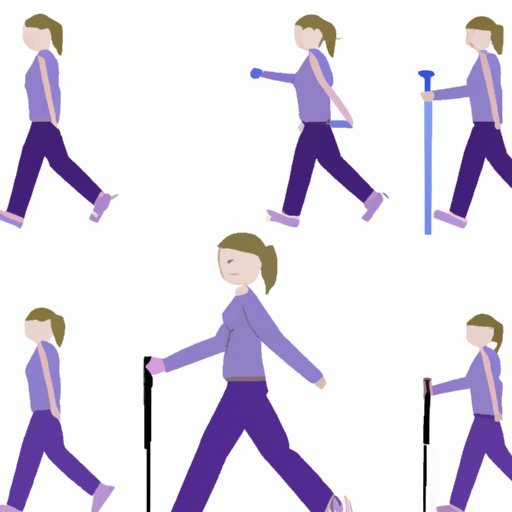
Before beginning your walking routine, it’s important to understand proper form and technique. Make sure you’re standing up straight, with your shoulders back and head up. Also, make sure your arms are swinging naturally and your feet are landing heel-first. Be aware of any potential safety concerns, such as traffic or uneven terrain, and wear clothing and shoes that are appropriate for walking.
For additional information, you may want to check out books and websites dedicated to walking for exercise. These resources can provide helpful tips and advice on everything from proper form to selecting the right gear.
Conclusion
Walking for exercise is an excellent way to get started on a healthier lifestyle. It’s low-impact, easy to do, and can be done almost anywhere. Plus, there are many physical and mental health benefits associated with walking as an exercise. By setting realistic goals, choosing a walking program, and making it part of your routine, you can reap the rewards of this simple yet effective form of exercise.
(Note: Is this article not meeting your expectations? Do you have knowledge or insights to share? Unlock new opportunities and expand your reach by joining our authors team. Click Registration to join us and share your expertise with our readers.)