
Introduction
Backpacking is a great way to explore the outdoors and challenge yourself in new ways. It allows you to take in the beauty of nature while pushing your limits and gaining a deeper appreciation for the environment around you. Whether you’re planning a multi-day trek or a weekend getaway, it’s important to consider what to bring on your backpacking trip. This article provides an overview of what to pack for a backpacking trip, including suggested items, tips for packing light, strategies for organizing gear, considerations for selecting backcountry gear, and essential items for safety and comfort.
Creating a Comprehensive Packing List
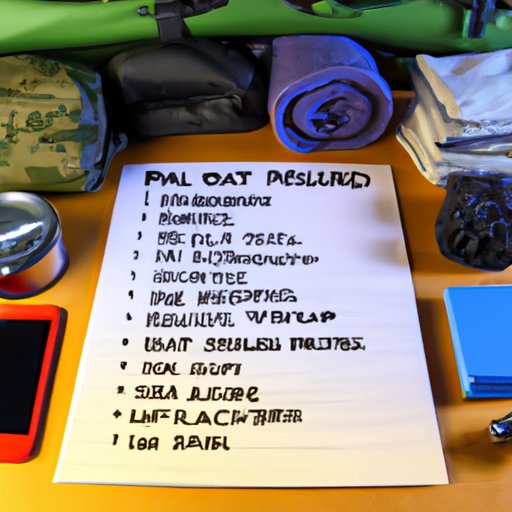
When planning a backpacking trip, it’s important to create a comprehensive packing list. Start by considering the type of activity you’ll be doing and the climate and weather conditions you’ll encounter. If you’re heading out for a multi-day hike, you’ll need more gear and supplies than if you’re just taking a day trip. Additionally, the type of terrain and weather conditions will also impact what you should bring. For example, if you’re hiking in the desert, you’ll need to plan for hot temperatures and little shade, while if you’re trekking in the mountains, you’ll need to account for cold temperatures and potential precipitation.
Suggested items to bring include: a tent, sleeping bag, sleeping pad, backpack, water bottles, food, stove, cookware, headlamp, clothing layers, hat, gloves, map, compass, first aid kit, toiletries, fire starter, trowel, trash bags, and bear canister (if necessary). In addition, you may want to bring a camera, fishing equipment, books, cards, games, and other entertainment items.
Packing Light and Efficiently
The key to successful backpacking is packing light and efficiently. The lighter your load, the easier it is to carry and the further you’ll be able to go. To pack light, look for ways to reduce the amount of weight you’re carrying. Choose lightweight camping gear, such as a tent, sleeping bag, and sleeping pad, and opt for synthetic materials over natural fibers when possible. Additionally, try to limit the number of items you bring, and only pack essentials. If you’re unsure whether or not an item is necessary, leave it behind.
Organizing your gear is also important for efficient packing. Invest in a quality backpack with plenty of compartments and pockets to keep your items organized. Consider using packing cubes and compression sacks to separate and compress your clothes and other items. Also, make sure to keep frequently used items, such as your headlamp, map, and snacks, easily accessible.
Choosing the Right Gear
Choosing the right gear is essential for a successful backpacking trip. When selecting backcountry gear, consider factors such as weight, durability, and size. Look for items that are lightweight but still provide adequate protection from the elements. Additionally, make sure to find items that fit you properly. Your backpack should fit snugly against your body and have adjustable straps and hip belts for added support. Your sleeping bag should fit your height and body shape, and your clothing should be comfortable and allow for easy movement.
When shopping for gear, it’s helpful to read reviews from other backpackers. Ask questions about the product, such as its weight, durability, and comfort level. Also, test out the gear in a store before buying it, if possible. This will help ensure that you’re getting the right item for your needs.

Essential Items for Backcountry Safety and Comfort
In addition to the items listed above, there are some essential items you should bring for safety and comfort. These include a first aid kit, insect repellent, sunscreen, extra batteries, a knife or multi-tool, a whistle, and a repair kit. Additionally, bring a few extra items in case of emergency, such as a space blanket, signaling mirror, and fire starter. Finally, be sure to practice Leave No Trace principles to minimize your impact on the environment.
Conclusion
Planning for a backpacking trip requires careful consideration and preparation. When creating a packing list, make sure to consider the type of activity you’ll be doing and the climate and weather conditions you’ll encounter. Additionally, focus on packing light and efficiently, and select the right gear for your needs. Finally, bring essential items for safety and comfort, and practice Leave No Trace principles.
(Note: Is this article not meeting your expectations? Do you have knowledge or insights to share? Unlock new opportunities and expand your reach by joining our authors team. Click Registration to join us and share your expertise with our readers.)