
Introduction
Buying a house is a major investment, so it’s important to be prepared before taking the plunge. Taking the time to thoroughly tour a new home can help you make sure that you’re getting a quality property at a fair price. Knowing what to look for during a house tour can give you peace of mind and help you avoid any unpleasant surprises down the road. In this article, we’ll explore the key considerations for anyone thinking about buying a house.

Check the Condition of the Exterior and Interior
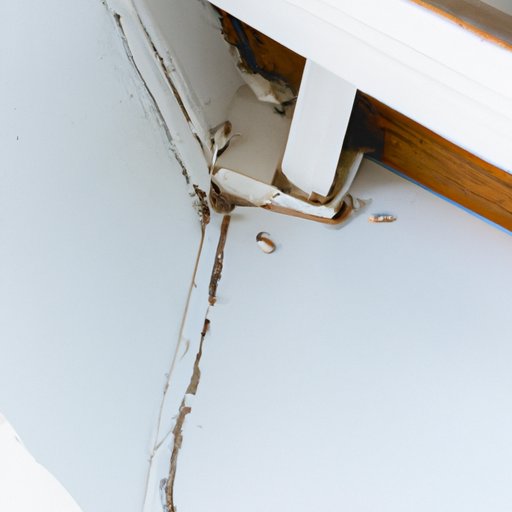
The first step in touring a house is to check the condition of the exterior and interior. Look for signs of damage or wear, such as cracks in the walls, peeling paint, or loose shingles on the roof. Consider the age of the structure and evaluate the quality of landscaping and curb appeal. If the exterior looks neglected, it could be a sign of bigger problems.
When inspecting the interior, look for any signs of water damage or mold. Check for drafts and make sure all appliances are in good working order. Pay attention to the flooring and carpets, and make sure they’re free of any stains or odors. Make sure to inspect the windows and doors, and ask if they’ve been recently upgraded. Finally, open up the cabinets and drawers to ensure they’re in good condition.
Evaluate the Home’s Location and Neighborhood
It’s also important to consider the location and neighborhood of the home. Research the area to determine local amenities and crime rate. Check for nearby schools, parks, and shopping centers. Assess how close the home is to public transportation options, such as buses or trains. Visit the neighborhood during different times of day to get a better sense of the area. Talk to neighbors to get a better understanding of the community.
According to a study conducted by the National Association of Realtors, “Location is one of the most important factors when buying a home. It not only affects the value of the home, but also its desirability.” Therefore, it’s important to take the time to evaluate the home’s location and neighborhood before making a decision.
Inspect for Signs of Pest Infestation
Another important consideration when touring a house is to inspect for signs of pest infestation. Look for evidence of infestation in the attic, basement, and crawl spaces. Pay attention to any strange odors or noises. Check for droppings, nests, or other signs of pests. Ask the homeowners if they have had any pest problems in the past, and whether they have taken any steps to prevent future infestations.
If you find evidence of a pest infestation, it’s important to take action quickly. According to the Environmental Protection Agency, “Pests can cause significant damage to homes, which can lead to costly repairs. They can also spread diseases, contaminate food, and create uncomfortable living conditions.” Therefore, it’s important to address any pest problems immediately.

Look for Structural Problems or Defects
Structural problems or defects can be expensive to repair, so it’s important to inspect for them during a house tour. Observe the condition of the roof and foundation. Look for signs of water damage or flooding. Have an inspector check for any electrical or plumbing issues. Make sure the wiring and pipes are up to code. Check the furnace and air conditioning systems to make sure they are in good working order.
Consider the Home’s Safety Features
Finally, it’s important to consider the home’s safety features. Check for properly installed smoke and carbon monoxide detectors. Make sure all windows and doors are secure. Examine the condition of railings and staircases. If the home has a pool, make sure it has a fence around it and that it meets all safety standards. Also, inquire about any security systems that may be installed.
Conclusion
Touring a house is a critical step in the homebuying process. Taking the time to carefully inspect the exterior and interior of the home, evaluate the location and neighborhood, inspect for signs of pest infestation, look for structural problems or defects, and consider the home’s safety features can help you make sure that you’re getting a quality property at a fair price. By following these tips, you can make an informed decision when choosing your next home.
(Note: Is this article not meeting your expectations? Do you have knowledge or insights to share? Unlock new opportunities and expand your reach by joining our authors team. Click Registration to join us and share your expertise with our readers.)