
Introduction
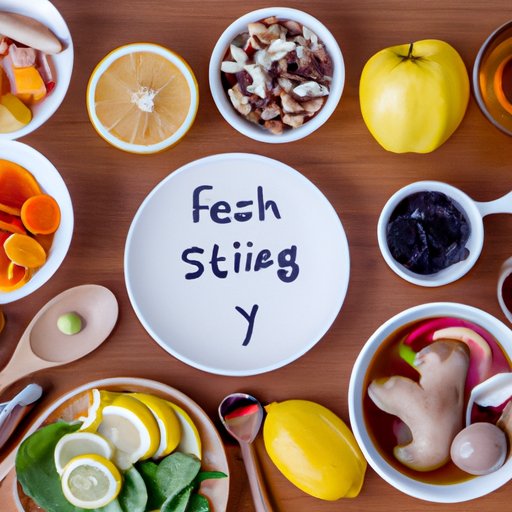
Feeling sick is never fun, but choosing the right foods and adopting healthy eating habits can make a world of difference in how quickly your body recovers. This article provides a guide to the best foods to eat when you’re under the weather, along with tips for maintaining a healthy diet and natural remedies to ease symptoms of nausea and upset stomach. Whether you’re dealing with a cold, flu, or just feeling rundown, this article has you covered!
8 Best Foods to Eat When You’re Feeling Under the Weather
When you’re not feeling well, it’s important to choose gentle and nourishing foods that are easy on the stomach and provide essential nutrients to help your body heal. Here are eight foods that should be at the top of your list:
- Chicken soup: Chicken soup has been a go-to comfort food for generations, and for good reason. The warm broth helps soothe sore throats and clear nasal congestion, while the chicken provides protein and essential amino acids that boost the immune system.
- Vegetable soup: Vegetables like carrots, celery, and onions are packed with vitamins and minerals that support immune function. Homemade vegetable soup is a great way to get these nutrients while also staying hydrated.
- Bone broth: Bone broth is especially nourishing, as it contains collagen, gelatin, and other compounds that support gut health and boost immunity. You can make your own bone broth using chicken or beef bones, or purchase pre-made broth at the store.
- Crackers: Saltine crackers are another classic comfort food that can help settle an upset stomach. They’re easy to digest and provide carbohydrates to fuel your body when you don’t have much of an appetite.
- Ginger tea: Ginger is a natural anti-inflammatory and can help soothe nausea and upset stomach. Fresh ginger tea made with grated ginger and hot water is a simple and effective remedy.
- Bananas: Bananas are gentle on the stomach and provide potassium, an essential electrolyte that can be depleted when you’re sick. They’re also high in fiber, which can help regulate digestion.
- Oatmeal: Oatmeal is easy to digest and provides complex carbohydrates and fiber, which can regulate blood sugar levels and promote satiety. It’s also a great base for adding other healing ingredients like honey, cinnamon, and fresh berries.
- Yogurt: Yogurt is a good source of probiotics, or healthy bacteria that can help support gut health. Look for plain, unsweetened yogurt with live and active cultures for the most benefit.
The Science Behind What to Eat When You’re Sick
Choosing the right foods when you’re sick isn’t just about feeling better in the moment—it’s also about giving your body the nutrients it needs to fight off infection and promote healing. Here are five essential nutrients to focus on when you’re under the weather:
- Vitamin C: Vitamin C is an antioxidant that helps boost immune function and reduce inflammation. Foods high in vitamin C include citrus fruits, berries, kiwi, and red pepper.
- Vitamin D: Vitamin D is important for immune function and bone health. While the best source of vitamin D is sunlight, you can also get it from fatty fish like salmon, fortified dairy products, and mushrooms.
- Zinc: Zinc is an essential mineral that supports immune function and wound healing. Foods high in zinc include oysters, beef, pumpkin seeds, and chickpeas.
- Protein: Protein is important for repairing tissues and producing antibodies that fight infection. Foods high in protein include meats, fish, eggs, and legumes.
- Fluids: Staying hydrated is key when you’re sick, as it helps flush out toxins and prevent dehydration. Aim to drink plenty of water, herbal tea, and clear broths.
Healthy Eating Habits When You’re Not Feeling Your Best
While the right foods can help you feel better when you’re sick, overall eating habits are just as important. Here are some tips for maintaining a healthy diet and supporting your body’s recovery:
- Stay hydrated: As mentioned, staying hydrated is crucial when you’re sick. Be sure to drink plenty of water, herbal tea, and clear broths, and avoid sugary or caffeinated drinks that can dehydrate you further.
- Focus on gut health: The gut is often referred to as the “second brain,” as it plays a key role in immune function, digestion, and overall health. Incorporate probiotic-rich foods like yogurt, kefir, sauerkraut, and kimchi, and avoid processed or sugary foods that can upset the gut microbiome.
- Avoid sugary and processed foods: Sugary and processed foods can suppress the immune system and worsen inflammation. Stick to whole, nutrient-dense foods like fruits, vegetables, lean proteins, and whole grains.
Recipes for a Sick Day: Comfort Food That Won’t Leave You Feeling Worse
When you’re sick, simple and nourishing meals are often the best choice. Here are three easy-to-follow recipes that are gentle on the stomach and packed with nutrients:
Veggie Soup
- 1 tablespoon olive oil
- 1 yellow onion, diced
- 3 garlic cloves, minced
- 4 cups vegetable broth
- 2 cups chopped vegetables (carrots, celery, and zucchini)
- 1 cup chopped greens (kale or spinach)
- Salt and pepper to taste
Instructions:
- Heat olive oil in a large pot over medium heat.
- Add onion and garlic and sauté for 5 minutes, until softened.
- Add broth, vegetables, and greens, and bring to a boil.
- Reduce heat to low and simmer for 20-25 minutes.
- Season with salt and pepper to taste, and serve warm.
Homemade Chicken Noodle Soup
- 1 tablespoon olive oil
- 1 yellow onion, diced
- 3 garlic cloves, minced
- 4 cups chicken broth
- 2 cups chopped cooked chicken
- 1 cup chopped vegetables (carrots, celery, and onion)
- 1 cup cooked noodles
- Salt and pepper to taste
- Optional: fresh herbs (parsley, thyme, or rosemary)
Instructions:
- Heat olive oil in a large pot over medium heat.
- Add onion and garlic and sauté for 5 minutes, until softened.
- Add broth, chicken, and vegetables, and bring to a boil.
- Reduce heat to low and simmer for 20-25 minutes.
- Add cooked noodles and herbs (if using) and simmer for an additional 5 minutes.
- Season with salt and pepper to taste, and serve warm.
Plant-Based Broth
- 1 tablespoon olive oil
- 1 yellow onion, diced
- 3 garlic cloves, minced
- 4 cups vegetable broth
- 2 cups chopped vegetables (carrots, kale, and mushrooms)
- 1 tablespoon grated ginger
- Salt and pepper to taste
Instructions:
- Heat olive oil in a large pot over medium heat.
- Add onion and garlic and sauté for 5 minutes, until softened.
- Add broth, vegetables, and ginger, and bring to a boil.
- Reduce heat to low and simmer for 20-25 minutes.
- Season with salt and pepper to taste, and serve warm.
The Best Natural Remedies for Nausea and Upset Stomach
In addition to choosing the right foods, natural remedies can also help ease symptoms of nausea and upset stomach. Here are some of the best remedies to try:
- Ginger: Ginger has natural anti-inflammatory properties and can help soothe nausea. Try making ginger tea by steeping fresh grated ginger in hot water for 5-10 minutes.
- Peppermint: Peppermint has a calming effect on the digestive system and can help relieve bloating and stomach cramps. Try sipping on peppermint tea or chewing on fresh peppermint leaves.
- Chamomile: Chamomile has natural relaxing properties and may help relieve stomach discomfort. Try steeping chamomile tea bags in hot water for 5-10 minutes.
Conclusion
Choosing the right foods and natural remedies can make a big difference in how quickly your body recovers when you’re sick. Focus on gentle and nourishing foods like soups, broths, and ginger tea, and try natural remedies like ginger, peppermint, and chamomile to ease symptoms of nausea and upset stomach.
(Note: Is this article not meeting your expectations? Do you have knowledge or insights to share? Unlock new opportunities and expand your reach by joining our authors team. Click Registration to join us and share your expertise with our readers.)