
Introduction
No one likes waking up with a hangover. It can leave you feeling sluggish, dehydrated, and nauseous. A hangover is caused by drinking too much alcohol, which triggers inflammation in the body. In order to feel better, it’s important to replenish the body with the nutrients it needs.
A hangover is defined as “a collection of signs and symptoms linked to a recent bout of heavy drinking” (British Medical Journal, 2017). Symptoms include fatigue, headache, nausea, dizziness, increased sensitivity to light and sound, and dehydration. The severity of the hangover depends on how much alcohol was consumed, as well as individual factors such as age and weight.
Hydrate with Electrolytes
One of the most important things to do when you’re hungover is to rehydrate your body. Alcohol acts as a diuretic, meaning it increases urine production and causes dehydration. Replenishing electrolytes helps to restore fluid balance and reduce symptoms such as headaches and fatigue.
Electrolytes are minerals that have an electric charge and are needed for proper hydration. Examples of electrolytes include sodium, potassium, calcium, magnesium, and chloride. These electrolytes can be found in many foods and drinks, such as coconut water, sports drinks, bananas, oranges, and leafy greens.
Eat a Balanced Breakfast
Breakfast is essential for replenishing the body with energy and nutrients. Eating a balanced breakfast will also help to stabilize blood sugar levels and prevent further dehydration. Try to choose nutrient-dense foods that are high in vitamins, minerals, and healthy fats.
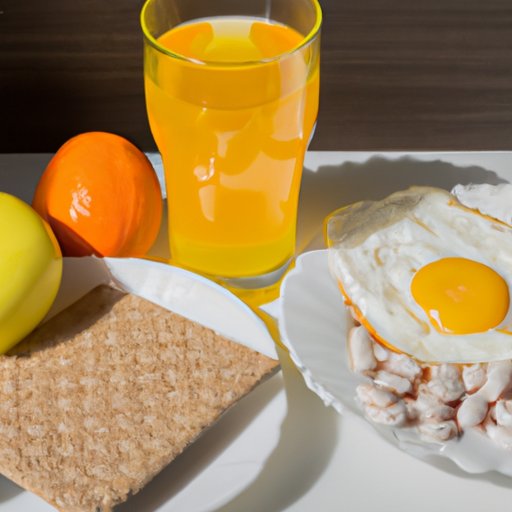
Examples of breakfast foods that are nutrient-dense include oatmeal, eggs, avocado, Greek yogurt, berries, and nuts. Aim to include a combination of proteins, carbohydrates, and healthy fats in your meal to ensure you get a balance of all the essential nutrients.
Consume Vitamin-Rich Foods
Vitamins play an important role in helping the body to function properly. Consuming vitamin-rich foods is especially important when you’re hungover, as many vitamins are depleted when alcohol is consumed. Foods that are high in vitamins include fruits, vegetables, legumes, nuts, and whole grains.
Studies have shown that vitamins C and B6 are particularly beneficial for hangovers. Vitamin C helps to reduce inflammation, while vitamin B6 helps to break down alcohol and its byproducts. Good sources of vitamin C include oranges, lemons, bell peppers, and broccoli. Good sources of vitamin B6 include potatoes, bananas, chickpeas, and tuna.
Avoid Greasy and Fatty Foods
When you’re hungover, it’s best to avoid greasy and fatty foods such as burgers, chips, and pizza. These foods are difficult to digest and can make symptoms such as nausea and stomach pain worse. Instead, opt for lighter fare such as salads, soups, and fish.
Eating smaller meals throughout the day is also recommended. This will help to keep your energy levels up and prevent your stomach from becoming overwhelmed. If you’re craving something sweet, go for fresh fruit instead of sugary snacks.
Eat Easily Digestible Foods
Eating easily digestible foods is another way to help ease hangover symptoms. Examples of easily digestible foods include oatmeal, yogurt, eggs, and bananas. These foods are gentle on the stomach and provide the body with the nutrients it needs to recover.
It’s also important to stay away from caffeinated beverages such as coffee and soda. Caffeine can worsen dehydration and make symptoms such as headache and fatigue even worse.
Incorporate Complex Carbohydrates
Complex carbohydrates are an important part of any hangover diet. They provide the body with long-lasting energy and help to keep blood sugar levels stable. Examples of complex carbohydrates include quinoa, brown rice, oats, and sweet potatoes.
These foods are also rich in fiber, which helps to improve digestion and reduce bloating. Adding some lean protein to your meal will also help to boost energy levels and aid recovery.
Choose Anti-Inflammatory Foods
The inflammatory response triggered by alcohol can cause a range of unpleasant symptoms. Eating anti-inflammatory foods can help to reduce inflammation and alleviate symptoms such as headache, nausea, and fatigue.
Examples of anti-inflammatory foods include salmon, turmeric, ginger, leafy greens, and blueberries. Adding these foods to your diet can help to reduce inflammation and promote healing.
Conclusion
Hangovers can be uncomfortable and debilitating. By eating the right foods, however, you can help your body to recover more quickly. Replenish electrolytes, eat a balanced breakfast, consume vitamin-rich foods, avoid greasy and fatty foods, eat easily digestible foods, incorporate complex carbohydrates, and choose anti-inflammatory foods.
If your symptoms persist or become worse, it’s important to seek medical help. Remember to drink responsibly and always practice moderation when consuming alcohol.
(Note: Is this article not meeting your expectations? Do you have knowledge or insights to share? Unlock new opportunities and expand your reach by joining our authors team. Click Registration to join us and share your expertise with our readers.)