
Introduction
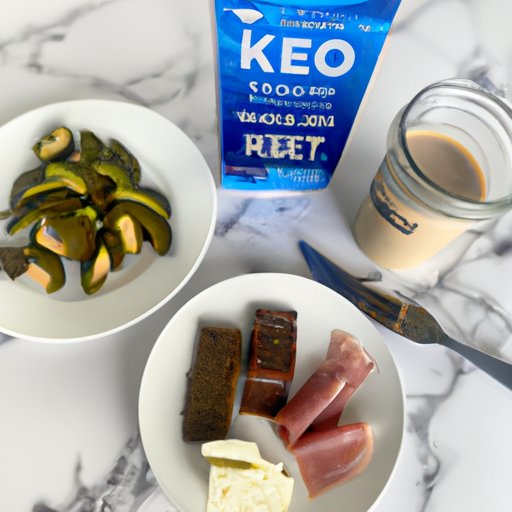
The ketogenic (or “keto”) diet has become increasingly popular in recent years. The high-fat, low-carb diet is based on a process called ketosis, which occurs when the body breaks down fats for energy instead of carbohydrates. Although the keto diet is often used as a weight loss tool, it can also help improve overall health, reduce inflammation, and even treat certain medical conditions.
Explaining the Basics of the Keto Diet
The goal of the keto diet is to put the body into a state of ketosis, where it will burn fat for energy instead of glucose (sugar). This is achieved by drastically reducing carbohydrate intake and replacing it with fat. Depending on the individual, the amount of carbohydrates consumed should be anywhere from 20-50 grams per day. For most people, this means eliminating or significantly reducing foods like bread, pasta, rice, potatoes, and other starchy carbohydrates.
Defining What is “Keto-Friendly”
In general, foods that are considered “keto-friendly” are those that are high in fat, moderate in protein, and low in carbohydrates. Foods that fit this criteria include meat, fish, eggs, nuts, seeds, oils, and certain vegetables. On the other hand, foods that are high in sugar, starch, and carbohydrates should be avoided. This includes processed grains, sugary drinks, and most fruits.
Beginner’s Guide to the Keto Diet: What to Eat and Avoid
When starting out on the keto diet, it’s important to understand what foods are acceptable and which ones should be avoided. Here is a breakdown of the key components of the keto diet and what to eat and avoid:
Protein
When it comes to protein, it’s important to choose lean sources such as chicken, turkey, fish, eggs, and tofu. Avoid processed meats like bacon, sausage, and deli meats, as these can be high in saturated fat and sodium. According to a study published in Nutrients, higher intakes of lean protein have been associated with improved body composition, weight loss, and satiety.
Fats
Fats are an essential component of the keto diet, as they provide the body with energy and help keep you feeling full. Healthy sources of fat include olive oil, avocado oil, coconut oil, butter, ghee, and fatty fish like salmon and tuna. According to a study published in the American Journal of Clinical Nutrition, increasing dietary fat intake can improve satiety and lead to greater weight loss over time.
Carbohydrates
As mentioned earlier, carbohydrates should be kept to a minimum on the keto diet. Acceptable sources of carbs include non-starchy vegetables like leafy greens, bell peppers, mushrooms, and cruciferous veggies like cauliflower and broccoli. Avoid high-carbohydrate foods like bread, pasta, rice, potatoes, and sweets.
Other Foods to Avoid
In addition to avoiding high-carbohydrate foods, it’s also important to limit or avoid foods that are high in sugar, such as candy, soda, and fruit juices. Processed foods like chips and crackers should also be avoided, as these can be high in unhealthy fats and trans fats. Finally, alcohol should be consumed in moderation, as it can slow down the body’s ability to burn fat.
A Shopping List of Essential Keto Diet Foods
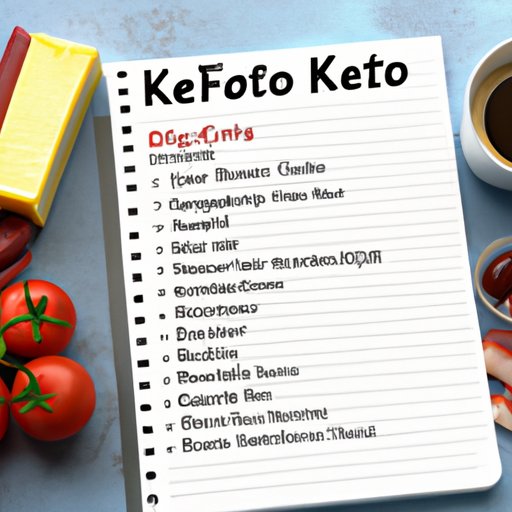
Now that you know what to eat and avoid on the keto diet, here is a shopping list of essential keto diet foods to get you started:
Proteins
- Chicken
- Turkey
- Fish
- Eggs
- Tofu
Fats
- Olive oil
- Avocado oil
- Coconut oil
- Butter
- Ghee
- Fatty fish
Low-Carb Vegetables
- Leafy greens
- Bell peppers
- Mushrooms
- Cauliflower
- Broccoli
Nuts and Seeds
- Almonds
- Walnuts
- Pumpkin seeds
- Sunflower seeds
Dairy Products
- Cheese
- Greek yogurt
- Heavy cream
Beverages
- Water
- Unsweetened tea and coffee
- Sparkling water
Top 10 Keto-Friendly Meals to Make at Home
Once you have your pantry stocked with keto-friendly ingredients, here are 10 top keto-friendly meals to make at home:
Breakfast
- Scrambled eggs with bacon and avocado
- Omelet with spinach and feta cheese
- Smoked salmon and cream cheese bagel
- Chia pudding with almond milk and berries
Lunch
- Turkey burger with lettuce and tomato
- Grilled chicken salad with olive oil and lemon juice
- Tuna salad with mayonnaise and celery
- Egg salad with avocado and dill
Dinner
- Salmon with roasted vegetables
- Steak with broccoli and cauliflower
- Shrimp scampi with zucchini noodles
- Stuffed peppers with ground beef and cheese
Keto-Friendly Snacks to Keep You Full and Satisfied
Snacking is an important part of staying satisfied on the keto diet. Here are some keto-friendly snacks to help keep you full and satisfied throughout the day:
Nuts and Seeds
- Almonds
- Walnuts
- Pumpkin seeds
- Sunflower seeds
Cheese
- Cheddar
- Mozzarella
- Feta
- Goat cheese
Low-Carb Vegetables
- Celery
- Bell peppers
- Cucumber
- Mushrooms
Jerky
- Beef jerky
- Turkey jerky
- Venison jerky
- Buffalo jerky
An Introduction to Keto-Friendly Drinks and Beverages
In addition to eating a balanced diet, it’s important to stay hydrated on the keto diet. Here are some keto-friendly drinks and beverages to keep you hydrated and energized:
Water
Water is essential for staying hydrated and healthy on the keto diet. Aim for eight 8-ounce glasses of water per day to meet your daily hydration needs.
Unsweetened Tea and Coffee
Unsweetened tea and coffee are great options for getting a caffeine boost without added sugar. For an extra kick, add a splash of heavy cream or unsweetened almond milk.
Alcohol
Although alcohol can slow down the body’s ability to burn fat, it doesn’t mean you can’t enjoy a drink every now and then. Look for low-carb options like vodka, gin, and tequila, and stick to light mixers like seltzer water or club soda.
Eating Out on the Keto Diet: What to Look For on Restaurant Menus
Eating out on the keto diet doesn’t have to be difficult. Look for dishes that are high in protein, low in carbohydrates, and made with healthy fats. Here are some menu items to look for when eating out:
Salads
Salads are a great option for getting a healthy dose of protein, fat, and vegetables. Top your salad with grilled chicken, hard boiled eggs, feta cheese, olives, and a healthy dressing like olive oil and lemon juice.
Meat Dishes
Look for dishes like steak, pork chops, and grilled chicken, which are all excellent sources of protein. Ask for your dish to be cooked with healthy oils like olive oil or coconut oil, and served with steamed vegetables or a side salad.
Seafood Dishes
Seafood dishes like salmon, tuna, and shrimp are all high in protein and healthy fats. Look for dishes that are grilled, broiled, or baked, and ask for them to be served with steamed vegetables or a side salad.
Vegetarian Options
For vegetarian options, look for dishes that are made with eggs, cheese, and low-carb vegetables. Examples include omelets, egg scrambles, and stuffed peppers. Be sure to ask for your dish to be cooked with healthy oils like olive oil or coconut oil.
Conclusion
Following the keto diet doesn’t have to be complicated. With the right combination of proteins, fats, and low-carb vegetables, you can easily create delicious and nutritious meals that will keep you full and satisfied. By stocking your pantry with keto-friendly ingredients and being mindful of what you order when eating out, you can easily stick to the keto diet and achieve your health goals.
Summary of What to Eat and Avoid on the Keto Diet
When following the keto diet, it’s important to focus on lean proteins, healthy fats, and low-carb vegetables. Avoid processed grains, sugary drinks, and most fruits. When eating out, look for dishes that are high in protein, low in carbohydrates, and made with healthy fats.
(Note: Is this article not meeting your expectations? Do you have knowledge or insights to share? Unlock new opportunities and expand your reach by joining our authors team. Click Registration to join us and share your expertise with our readers.)