
Introduction
Making wise food choices is essential for good health. Eating a balanced diet can help you maintain a healthy weight, reduce your risk of chronic diseases, and provide your body with all the nutrients it needs to function properly. But with so many options available, it can be difficult to know where to start when it comes to healthy eating.

How to Create a Healthy Eating Plan
Creating a healthy eating plan doesn’t have to be complicated. Here are some simple steps to get started:
Identify Your Goals
The first step to creating a healthy eating plan is to identify your goals. Are you trying to lose weight? Improve your energy levels? Manage a chronic health condition? Once you’ve identified your goals, you can create a plan that meets your specific needs.
Develop a Meal Plan
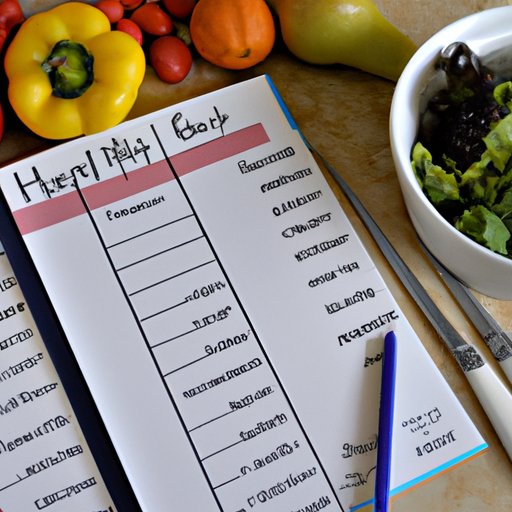
Once you’ve identified your goals, it’s time to develop a meal plan. A meal plan should include a variety of nutritious foods from all the food groups. Aim to include lean proteins, whole grains, fruits, vegetables, beans, nuts, and healthy fats in your meals and snacks. According to the Dietary Guidelines for Americans, adults should aim for two to three cups of vegetables and one and a half to two cups of fruit per day.
Track What You Eat
Tracking what you eat can help you stay on track and make sure you’re meeting your nutritional needs. Consider keeping a food diary or using an app like MyFitnessPal to track your meals and snacks.
Consider Your Lifestyle and Preferences
When creating a meal plan, it’s important to consider your lifestyle and preferences. If you’re short on time, look for quick, easy-to-make meals. If you’re on a tight budget, focus on budget-friendly ingredients. And if you don’t like certain types of food, don’t force yourself to eat them – there are plenty of other nutritious options to choose from.
Meal Ideas for Busy People
If you’re short on time, try these tips for eating healthy on the go:
Prepare meals ahead of time
To save time during the week, prepare meals ahead of time. Cook double batches of meals on the weekend and store them in the freezer for an easy, grab-and-go option.
Look for quick, easy-to-make meals
When you’re in a rush, look for quick, easy-to-make meals. Try things like egg sandwiches, salads, smoothies, burritos, and stir-fries. Many of these meals can be made in 30 minutes or less.
Choose nutrient-dense foods
Nutrient-dense foods are packed with vitamins, minerals, and other important nutrients. Examples include eggs, Greek yogurt, salmon, quinoa, leafy greens, and nuts. Incorporating more of these foods into your diet can help you meet your nutritional needs.
Strategies for Eating Out Without Blowing Your Diet
Eating out doesn’t have to mean sacrificing your healthy eating plan. Here are some tips for making healthy choices at restaurants:
Research menus in advance
Before you head out to eat, take some time to research the menu. Look for dishes that are low in fat, salt, and sugar and high in fiber, protein, and other essential nutrients.
Ask for healthier options
If you don’t see anything that fits your dietary needs, don’t be afraid to ask for healthier options. Most restaurants are happy to accommodate special requests.
Share meals with a friend
If you’re eating out with friends, consider sharing meals. This can help you control your portion sizes and save money.

The Benefits of Eating Whole Foods
Whole foods are unprocessed, unrefined foods that are free from additives and preservatives. Incorporating more whole foods into your diet can offer numerous health benefits, including:
Improved nutrition
Whole foods are packed with essential vitamins, minerals, and other important nutrients. Eating a variety of whole foods can help you meet your nutritional needs and reduce your risk of nutrient deficiencies.
Reduced risk of chronic disease
A diet rich in whole foods can reduce your risk of developing chronic diseases such as heart disease, diabetes, and cancer. According to a study published in Nutrients, diets high in whole plant foods are associated with a lower risk of mortality from all causes.
Increased energy levels
Whole foods provide your body with sustained energy throughout the day. Processed foods, on the other hand, can cause blood sugar spikes and crashes that leave you feeling fatigued and sluggish.

Tips for Eating Healthier on a Budget
Eating healthy doesn’t have to break the bank. Here are some tips for eating healthier on a budget:
Buy in bulk
Buying in bulk can help you save money on healthy foods like nuts, seeds, dried fruit, and oats. Look for sales and stock up when you find a good deal.
Shop the perimeter of the grocery store
The perimeter of the grocery store is typically where you’ll find the freshest, most nutritious options. Focus your shopping trips on fresh produce, lean proteins, and whole grains.
Take advantage of sales
Keep an eye out for sales and stock up on items like canned beans, frozen vegetables, and whole wheat pasta. These items can be stored for months and used to create healthy meals on busy nights.
Conclusion
Eating healthy can help you feel great, look great, and reduce your risk of chronic diseases. To get started, create a meal plan that includes a variety of nutritious foods from all the food groups. Consider your lifestyle and preferences when planning meals, and look for quick, easy-to-make meals when you’re short on time. Eating out doesn’t have to mean sacrificing your diet – just do your research, ask for healthier options, and share meals with a friend. Finally, don’t forget to take advantage of sales and shop the perimeter of the grocery store to save money on nutritious foods. For more information on healthy eating, check out the ChooseMyPlate website.
(Note: Is this article not meeting your expectations? Do you have knowledge or insights to share? Unlock new opportunities and expand your reach by joining our authors team. Click Registration to join us and share your expertise with our readers.)