
Introduction
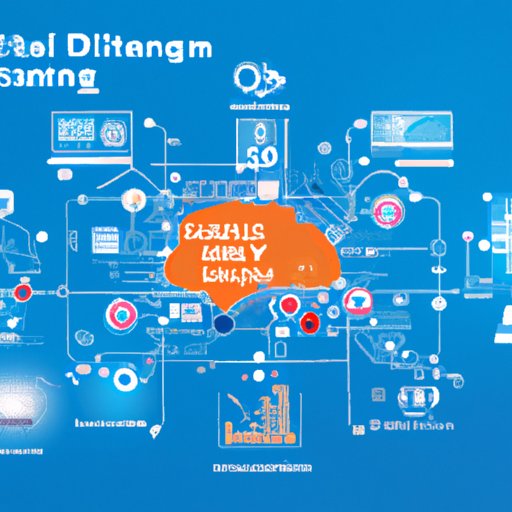
Digital transformation is a process of leveraging digital technologies to create value for customers and organizations. It involves changing people, processes, and systems to improve efficiency and effectiveness in an organization. In order to achieve this, it is essential to understand the technologies that enable digital transformation. This article will explore the impact of artificial intelligence (AI) and machine learning, cloud computing, blockchain, automation, internet of things (IoT), and augmented reality on digital transformation.

Exploring the Impact of AI and Machine Learning on Digital Transformation
AI and machine learning are powerful tools that can be leveraged to support digital transformation. AI is the ability of machines to perform tasks that require human intelligence, while machine learning is a subset of AI that focuses on building algorithms that allow machines to learn from data and improve their performance over time. These technologies can be used to automate mundane tasks, analyze large amounts of data, and make decisions based on data-driven insights.
Benefits of AI and Machine Learning
AI and machine learning offer numerous benefits for digital transformation. For example, AI can be used to automate mundane tasks, freeing up resources for more complex tasks. It can also help to reduce costs by automating processes and reducing the need for manual labor. Additionally, machine learning can be used to analyze large amounts of data, allowing organizations to gain better insights into customer behavior and trends. This can help them make better decisions and optimize their operations.
Challenges of Implementing AI and Machine Learning
Although AI and machine learning can be beneficial for digital transformation, there are some challenges associated with their implementation. For example, AI requires a significant amount of data to be effective, which can be difficult to obtain. Additionally, the algorithms used in machine learning can be complex and require specialized skills to develop and maintain. Finally, AI and machine learning can lead to ethical issues, such as bias in decision-making and misuse of data.
Examples of Companies Leveraging AI and Machine Learning
Many companies are leveraging AI and machine learning to facilitate digital transformation. For example, Amazon uses AI and machine learning to personalize product recommendations, optimize its supply chain, and improve customer service. Similarly, Google uses AI and machine learning to power its search engine, improve its advertising platform, and develop autonomous vehicles. Other companies, such as Microsoft, IBM, and Apple, are also leveraging AI and machine learning to improve their products and services.

Leveraging Cloud Computing to Facilitate Digital Transformation
Cloud computing is another technology that can be used to facilitate digital transformation. In cloud computing, data and applications are stored on remote servers and accessed through the internet. This allows organizations to access information quickly and easily, as well as scale their operations as needed.
Benefits of Cloud Computing
Cloud computing offers numerous benefits for digital transformation. For example, it can reduce costs by eliminating the need for hardware and software investments. It also increases agility, allowing organizations to respond quickly to changing market conditions. Additionally, cloud computing enables collaboration across organizations, allowing them to share data and resources across multiple locations. Finally, cloud computing can help organizations become more secure by providing advanced security features.
Challenges of Implementing Cloud Computing
Although cloud computing can be beneficial for digital transformation, there are some challenges associated with its implementation. For example, moving data and applications to the cloud can be costly and time consuming. Additionally, organizations may not have the resources or expertise to manage cloud-based systems. Finally, cloud computing can lead to privacy and security concerns due to the potential for unauthorized access to data.
Examples of Companies Leveraging Cloud Computing
Many companies are leveraging cloud computing to facilitate digital transformation. For example, Amazon Web Services (AWS) provides cloud computing services to organizations of all sizes. Similarly, Microsoft Azure and Google Cloud Platform provide cloud computing solutions for businesses. Other companies, such as Oracle, IBM, and Salesforce, are also leveraging cloud computing to improve their products and services.
Assessing the Role of Blockchain in Achieving Digital Transformation
Blockchain is a distributed ledger technology that can be used to facilitate digital transformation. It enables secure, transparent, and immutable transactions, allowing organizations to store and transfer data without the need for intermediaries. This can reduce costs and improve efficiency.
Benefits of Blockchain
Blockchain offers numerous benefits for digital transformation. For example, it can reduce transaction costs by eliminating the need for intermediaries. It also increases transparency, allowing organizations to track transactions in real time. Additionally, blockchain is secure, preventing unauthorized access to data. Finally, blockchain can help organizations become more efficient by streamlining processes.
Challenges of Implementing Blockchain
Although blockchain can be beneficial for digital transformation, there are some challenges associated with its implementation. For example, it can be difficult to set up and maintain. Additionally, it is subject to regulatory uncertainty, as there is currently no clear legal framework for blockchain technology. Finally, blockchain is still a relatively new technology, so organizations may not have the resources or expertise to implement it.
Examples of Companies Leveraging Blockchain
Many companies are leveraging blockchain to facilitate digital transformation. For example, IBM has developed a blockchain-based platform to enable secure data sharing and reduce transaction costs. Similarly, Microsoft is leveraging blockchain to improve its cloud computing services. Other companies, such as Walmart, Bank of America, and JPMorgan Chase, are also using blockchain to improve their products and services.

Examining the Benefits of Automation for Digital Transformation
Automation is the use of technology to automate processes and reduce manual labor. It can be used to facilitate digital transformation by improving efficiency and accuracy, reducing costs, and enabling faster decision making.
Benefits of Automation
Automation offers numerous benefits for digital transformation. For example, it can reduce costs by eliminating the need for manual labor. It also improves accuracy, as automated processes are less prone to errors than manual processes. Additionally, automation can increase efficiency by streamlining processes and enabling faster decision making. Finally, automation can help organizations become more agile, allowing them to respond quickly to changing market conditions.
Challenges of Implementing Automation
Although automation can be beneficial for digital transformation, there are some challenges associated with its implementation. For example, automation requires investments in technology, which can be costly. Additionally, it may require significant changes to existing processes and systems, which can be difficult to implement. Finally, automation can lead to job losses, as certain roles may no longer be necessary.
Examples of Companies Leveraging Automation
Many companies are leveraging automation to facilitate digital transformation. For example, Amazon uses automation to optimize its supply chain and improve customer service. Similarly, Walmart is leveraging automation to improve its inventory management and ordering processes. Other companies, such as Microsoft, IBM, and Google, are also using automation to improve their products and services.
Analyzing the Role of IoT in Driving Digital Transformation
The Internet of Things (IoT) is a network of physical devices connected to the internet. It can be used to facilitate digital transformation by connecting devices, gathering data, and enabling real-time analytics.
Benefits of IoT
IoT offers numerous benefits for digital transformation. For example, it can reduce costs by eliminating the need for manual labor. It also improves efficiency by enabling real-time analytics and decision making. Additionally, IoT can increase agility by allowing organizations to quickly respond to changing market conditions. Finally, it can help organizations become more secure by providing advanced security features.
Challenges of Implementing IoT
Although IoT can be beneficial for digital transformation, there are some challenges associated with its implementation. For example, it requires investments in technology, which can be costly. Additionally, it may require significant changes to existing processes and systems, which can be difficult to implement. Finally, IoT can lead to privacy and security concerns due to the potential for unauthorized access to data.
Examples of Companies Leveraging IoT
Many companies are leveraging IoT to facilitate digital transformation. For example, Amazon is using IoT to improve its supply chain and customer service. Similarly, Walmart is leveraging IoT to optimize its inventory management and ordering processes. Other companies, such as Microsoft, IBM, and Google, are also using IoT to improve their products and services.
Investigating the Potential of Augmented Reality for Digital Transformation
Augmented reality (AR) is a technology that can be used to enhance the real world with digital content. It can be used to facilitate digital transformation by providing interactive experiences, enabling data visualization, and improving customer engagement.
Benefits of Augmented Reality
Augmented reality offers numerous benefits for digital transformation. For example, it can improve customer engagement by providing interactive experiences. It can also enable data visualization, allowing organizations to visualize complex data in an easy-to-understand format. Additionally, AR can increase efficiency by streamlining processes and enabling faster decision making. Finally, AR can help organizations become more secure by providing advanced security features.
Challenges of Implementing Augmented Reality
Although augmented reality can be beneficial for digital transformation, there are some challenges associated with its implementation. For example, it requires investments in technology, which can be costly. Additionally, it may require significant changes to existing processes and systems, which can be difficult to implement. Finally, AR can lead to privacy and security concerns due to the potential for unauthorized access to data.
Examples of Companies Leveraging Augmented Reality
Many companies are leveraging augmented reality to facilitate digital transformation. For example, Amazon is using AR to improve its customer service and product recommendations. Similarly, Walmart is leveraging AR to enable customers to virtually try on products. Other companies, such as Microsoft, IBM, and Apple, are also using AR to improve their products and services.
Conclusion
In conclusion, there are numerous technologies that enable digital transformation, such as AI and machine learning, cloud computing, blockchain, automation, IoT, and augmented reality. Each technology offers unique benefits and challenges, as well as examples of companies leveraging it to improve their products and services. To successfully implement digital transformation, organizations should assess their needs and consider the advantages and disadvantages of each technology before making a decision.
Summary of Technologies Enabling Digital Transformation
This article explored the various technologies that enable digital transformation, such as AI and machine learning, cloud computing, blockchain, automation, IoT, and augmented reality. It examined the benefits, challenges, and examples of companies leveraging each technology.
Recommendations for Implementing Digital Transformation
Organizations should assess their needs and consider the advantages and disadvantages of each technology before implementing digital transformation. Additionally, they should invest in training and resources to ensure that their staff are equipped with the skills and knowledge necessary to effectively leverage the technologies. Finally, they should monitor their progress and adjust their strategies as needed.
(Note: Is this article not meeting your expectations? Do you have knowledge or insights to share? Unlock new opportunities and expand your reach by joining our authors team. Click Registration to join us and share your expertise with our readers.)