
Introduction
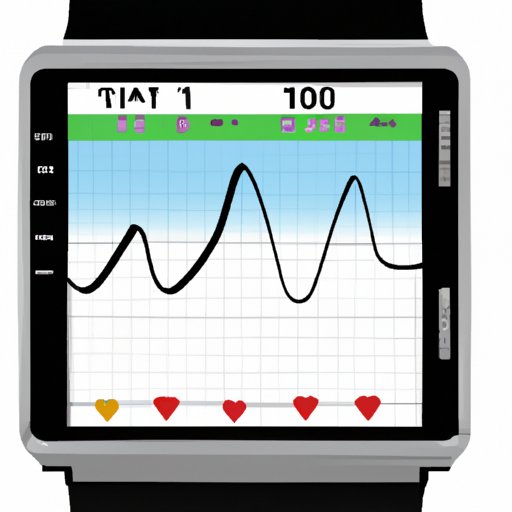
Heart rate is the number of times your heart beats per minute (BPM). It is an important indicator of physical health and fitness level, and it can also provide useful information about how hard your body is working during exercise. Knowing what your heart rate should be while working out can help you to optimize your performance and stay safe.
What is a Healthy Heart Rate for Working Out?
The amount of effort you put into a workout will determine your target heart rate. Generally speaking, the higher the intensity of the activity, the higher your target heart rate should be. To calculate your target heart rate, you should first determine your maximum heart rate (MHR). This can be done by subtracting your age from 220. For example, if you are 30 years old, your MHR would be 190 BPM.
Once you know your MHR, you can calculate your target heart rate during exercise. The American Heart Association recommends that adults exercise between 50-85% of their MHR. So, if your MHR is 190 BPM, your target heart rate should be between 95-162 BPM.
It’s also important to note that age can have an impact on your ideal heart rate during exercise. People over the age of 40 should aim for a lower target heart rate than those under 40. This is because as we age, our hearts become less efficient and cannot pump as much blood with each beat.

Benefits of Monitoring Heart Rate During Exercise
Monitoring your heart rate during exercise can bring numerous benefits. Here are some of the key advantages:
Improved Performance
By keeping your heart rate in the optimal range, you can ensure that you are pushing yourself enough to get the best results from your workouts. This can help you to reach your goals faster and maximize the effectiveness of your training.
Enhanced Safety
Exercising too hard can lead to overexertion and injury. By monitoring your heart rate, you can make sure that you don’t push yourself too far and reduce your risk of injury. This is especially important for people who are new to exercise or returning after a long break.
Greater Motivation
Seeing your heart rate increase during exercise can be a great motivator. It can help you to stay focused and give you the motivation to keep going when it gets tough.
Tips for Keeping Heart Rate at Optimal Level During Exercise
Here are some tips for keeping your heart rate at the right level during exercise:
Warm Up and Cool Down
Before starting a workout, it’s important to warm up your body. This helps to gradually increase your heart rate and prepare your body for exercise. After your workout, it’s equally important to cool down. This allows your heart rate to slowly return to normal.
Vary Intensity Levels
It’s important to vary the intensity of your workouts. Interval training is a great way to do this. This involves alternating between periods of high intensity and low intensity exercise. This can help to keep your heart rate in the optimal zone.
Listen to Your Body
Your body is the best guide when it comes to exercise. If you start to feel breathless or lightheaded, it may be a sign that your heart rate is too high. In this case, take a break and allow your heart rate to come back down.
How to Use a Heart Rate Monitor to Improve Workout
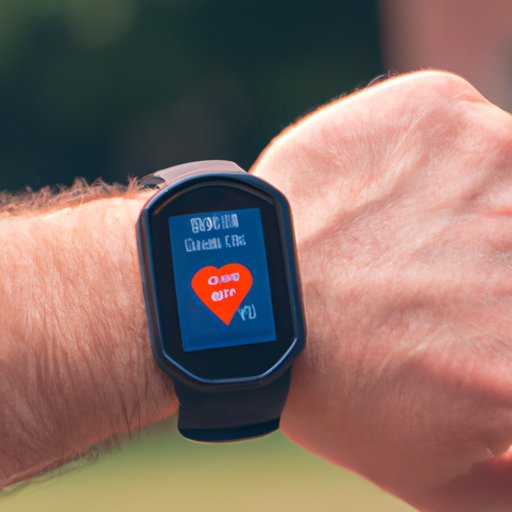
Using a heart rate monitor can help you to track your progress and ensure that you are working out at the right intensity. Here are some tips for using a heart rate monitor to improve your workouts:
Types of Monitors
There are several types of heart rate monitors available. Chest straps, wrist bands and watches are all popular options. Choose one that fits your budget and meets your needs.
Setting Goals
Once you have chosen a monitor, set goals for yourself. Decide what your target heart rate should be and use the monitor to track your progress towards that goal.
Tracking Progress
Finally, use the data collected by the monitor to track your progress. Look for trends in your heart rate over time and adjust your workouts accordingly.
Conclusion
Knowing what your heart rate should be while working out can help you to improve your performance and stay safe. To find your target heart rate, subtract your age from 220 and aim to exercise between 50-85% of your MHR. Using a heart rate monitor can also help you to track your progress and ensure that you are working out in the optimal zone. With these tips, you can maximize the effectiveness of your workouts and get the most out of your exercise routine.
(Note: Is this article not meeting your expectations? Do you have knowledge or insights to share? Unlock new opportunities and expand your reach by joining our authors team. Click Registration to join us and share your expertise with our readers.)