
Introduction
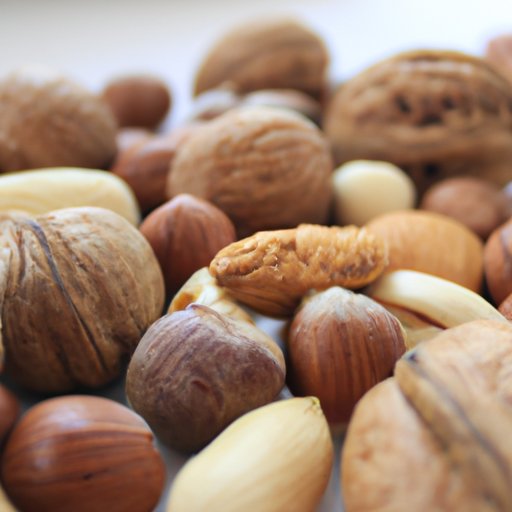
Nuts are a popular snack food and have been for centuries. They’re full of flavor and nutrition, making them an ideal snack for those looking to get more out of their meals. But what exactly makes nuts so healthy? In this article, we’ll explore the nutritional components of different types of nuts and the health benefits associated with eating them regularly.
Comparing the Nutritional Benefits of Different Types of Nuts
When it comes to comparing the nutritional profiles of different types of nuts, there is a wide variety of options. Almonds, walnuts, cashews, peanuts, pecans, pistachios, and hazelnuts are all packed with nutrients like protein, fiber, healthy fats, vitamins, and minerals. Each type of nut offers its own unique blend of nutrients, so it’s important to consider which type best suits your dietary needs.
Almonds are rich in vitamin E, magnesium, and calcium, as well as monounsaturated fat and protein. Walnuts contain high amounts of omega-3 fatty acids and antioxidants, while cashews are rich in copper, zinc, and iron. Peanuts are high in protein and fiber, and are also a good source of vitamin E. Pecans are loaded with antioxidants, and pistachios are rich in lutein and zeaxanthin, two important carotenoids for eye health.
Exploring the Health Benefits of Eating Nuts Regularly
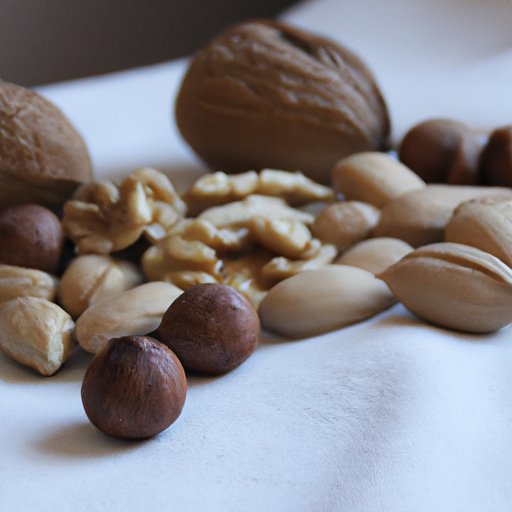
Studies have shown that eating nuts regularly can have a variety of health benefits. Here are some of the most notable ones:
Lower Risk of Heart Disease
According to a study by the Harvard School of Public Health, eating nuts on a regular basis was linked to a lower risk of coronary heart disease. The researchers found that people who ate at least five servings of nuts per week had a 35% lower risk of developing coronary heart disease than those who did not eat any nuts.
Reduced Risk of Type 2 Diabetes
A study published in the journal Diabetologia showed that eating nuts regularly is associated with a reduced risk of type 2 diabetes. Participants who ate at least 10 grams of nuts per day were found to have a 14% lower risk of developing type 2 diabetes than those who did not eat nuts.
Improved Digestive Health
Eating nuts can also help promote digestive health. A study published in the British Journal of Nutrition found that participants who consumed at least 30 grams of nuts per day had improved bowel habits and fewer gastrointestinal symptoms.
Examining the Role of Nuts in a Healthy Diet
In addition to providing numerous health benefits, nuts are also an important part of a healthy diet. Here’s why:
Macronutrient Content
Most nuts are rich in macronutrients like protein, carbs, and fat. For example, almonds contain 6 grams of protein, 14 grams of carbs, and 14 grams of fat per 1-ounce serving. This makes them a great source of energy and essential nutrients.
Antioxidant Content
Nuts are also packed with antioxidants, which can help protect your cells from damage caused by free radicals. Walnuts, in particular, are a great source of antioxidants like vitamin E and polyphenols.
Fiber Content
Nuts are also a good source of dietary fiber, which can help keep you feeling full and promote regular bowel movements. Almonds and peanuts contain the highest amounts of fiber, with 3.5 and 2.5 grams per one-ounce serving, respectively.
Investigating the Link Between Nuts and Heart Health
Studies have also shown that eating nuts can have a positive impact on heart health. Here’s how:
Reducing Bad Cholesterol Levels
Nuts have been shown to reduce levels of LDL (bad) cholesterol. A study published in the American Journal of Clinical Nutrition found that participants who ate 30 grams of walnuts per day had a significant decrease in LDL cholesterol levels.
Increasing Good Cholesterol Levels
Not only do nuts help reduce bad cholesterol levels, but they also increase levels of HDL (good) cholesterol. A study published in the journal Atherosclerosis found that participants who ate 30 grams of almonds per day had significantly higher levels of HDL cholesterol than those who did not eat almonds.
Lowering Blood Pressure
Eating nuts can also help lower blood pressure. A study published in the journal Hypertension found that participants who ate at least 28 grams of walnuts per day had a significant decrease in both systolic and diastolic blood pressure.
Understanding the Role of Nuts in Weight Loss
Nuts can also be a helpful tool for weight management. Here’s why:
High-Fiber Content
As mentioned earlier, nuts are a good source of dietary fiber. Studies have shown that increasing fiber intake can help promote weight loss by keeping you feeling fuller for longer and reducing hunger cravings.
Satiating Properties
Nuts are also high in protein and healthy fats, both of which can help keep you feeling full and satisfied. A study published in the journal Obesity found that participants who ate a handful of almonds per day had reduced hunger and increased satiety compared to those who did not eat almonds.
Low Glycemic Index
Nuts also have a low glycemic index, meaning they don’t cause a spike in blood sugar levels. This can help prevent cravings and make it easier to maintain a healthy weight.

Analyzing the Impact of Nuts on Blood Sugar Levels
Nuts can also help regulate blood sugar levels. Here’s how:
Slow Digestion
Nuts are digested slowly due to their high fiber and protein content. This helps slow the absorption of glucose into the bloodstream and prevents sudden spikes in blood sugar levels.
Low Glycemic Load
Nuts also have a low glycemic load, which means they don’t cause a rapid increase in blood sugar levels. A study published in the journal Nutrition found that participants who ate a handful of almonds per day had improved blood sugar control compared to those who did not eat almonds.
Improved Insulin Sensitivity
Regularly eating nuts has also been linked to improved insulin sensitivity. A study published in the journal Diabetes Care found that participants who ate at least 28 grams of walnuts per day had improved insulin sensitivity compared to those who did not eat walnuts.

Evaluating the Role of Nuts in Reducing Inflammation
Eating nuts has also been linked to reduced inflammation. Here’s why:
Omega-3 fatty acids
Nuts are a good source of omega-3 fatty acids, which have anti-inflammatory effects. A study published in the journal Nutrition Research found that participants who ate at least 28 grams of walnuts per day had lower levels of inflammatory markers than those who did not eat walnuts.
Vitamin E content
Nuts are also rich in vitamin E, an antioxidant that can help reduce inflammation. A study published in the journal Free Radical Biology & Medicine found that participants who ate at least 28 grams of almonds per day had lower levels of inflammatory markers than those who did not eat almonds.
Antioxidant Content
Finally, nuts are also a good source of antioxidants, which can help reduce oxidative stress and inflammation. A study published in the journal Nutrition & Metabolism found that participants who ate at least 28 grams of pistachios per day had lower levels of inflammatory markers than those who did not eat pistachios.
Conclusion
Nuts are a nutrient-dense snack that can provide a variety of health benefits. They’re packed with protein, fiber, healthy fats, vitamins, and minerals, making them an ideal snack for those looking to get more out of their meals. Eating nuts regularly may help reduce the risk of heart disease, type 2 diabetes, and improve digestive health. They can also help regulate blood sugar levels and reduce inflammation. Incorporating nuts into your diet is a great way to boost your overall health and wellbeing.
To ensure you’re getting the most out of your snacks, opt for unsalted, raw, or lightly roasted nuts. Avoid processed or sugary varieties, as these can add unnecessary calories and sugar to your diet. Aim to consume a handful of nuts each day to get the most out of their nutritional benefits.
(Note: Is this article not meeting your expectations? Do you have knowledge or insights to share? Unlock new opportunities and expand your reach by joining our authors team. Click Registration to join us and share your expertise with our readers.)