
Introduction
Cut flowers are a popular way to bring vibrant color and life into any home. As beautiful as they may be, they can also be quite fleeting, with a typical lifespan of only a few days. To make the most out of your floral arrangement, it’s important to understand what factors influence cut flower life span and how to extend its duration. In this article, we’ll explore the science behind cut flower longevity, including the effects of different types of water, temperature, light exposure, plant hormones, preservatives and cutting methods.
Analyzing Effects of Different Types of Water
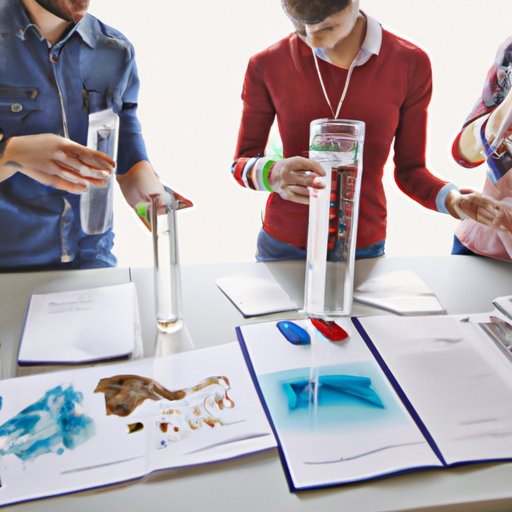
The type of water you use for your cut flowers can have a significant impact on their life span. According to a study from The Ohio State University, hard water – which is high in minerals such as calcium and magnesium – can cause the stems of cut flowers to become blocked, thus limiting the amount of water they can absorb. This can lead to wilting and discoloration, both of which can shorten the life of your cut flowers. On the other hand, soft water – which is low in minerals – can allow the flowers to absorb more water, leading to longer life spans.
When selecting water for your cut flowers, it’s important to consider both the mineral content and pH level. According to a study from the University of Florida, water with a pH higher than 7.5 can result in the formation of air bubbles in the stem, causing them to block the absorption of water and ultimately reduce the flower’s life span. Therefore, when selecting water for your cut flowers, it’s best to opt for a neutral or slightly acidic pH level.
Examining Impact of Temperature
Temperature can also have a significant impact on cut flower life span. According to a study from the American Society for Horticultural Science, warmer temperatures can cause flowers to respire faster, leading to increased water loss and a shorter shelf-life. Conversely, cooler temperatures can slow down the respiration process and help preserve the life of cut flowers.
When selecting a location for your cut flowers, it’s important to consider the temperature of the environment. For instance, if you’re placing your arrangement near a window, you may want to consider the amount of sunlight that will be hitting the flowers during the day. Additionally, you should also take into account the temperature of the room, as heat from appliances and electronics can cause the temperature to rise and negatively impact the life span of your cut flowers.
Investigating Effect of Light Exposure
Light exposure can also play a role in cut flower longevity. According to a study from the University of California, Davis, too much light can cause the petals of cut flowers to fade and wilt prematurely. On the other hand, too little light can cause the stems to become weak and brittle, leading to drooping and ultimately a shortened life span.
When selecting a location for your cut flowers, it’s important to consider the amount of natural light they will receive. If you’re placing your arrangement near a window, you should try to keep it away from direct sunlight. Additionally, you may want to consider adding a sheer curtain or blinds to filter the light and help ensure that your flowers get the right balance of light for optimal longevity.
Studying Influence of Plant Hormones
Plant hormones can also play an important role in determining the life span of cut flowers. According to a study from the American Society for Horticultural Science, certain hormones can promote the growth of new cells and help prevent wilting and discoloration, thus extending the life of cut flowers. Additionally, these hormones can also stimulate the production of ethylene – a gas that helps regulate the ripening process – which can further increase the shelf-life of cut flowers.
When selecting a plant hormone to use on your cut flowers, it’s important to consider the type of flower you’re using and the desired effect you’re hoping to achieve. Additionally, you should also research the proper application techniques for the particular hormone you’re using to ensure that you’re getting the most out of your treatment.
Evaluating Effects of Preservatives
Preservatives can also be used to extend the life of cut flowers. According to a study from the Royal Netherlands Institute for Sea Research, preservatives can help maintain the quality of cut flowers by preventing bacteria and fungi from growing in the water. Additionally, they can also help inhibit the production of ethylene, which can lead to premature wilting and discoloration.
When selecting a preservative for your cut flowers, it’s important to consider the type of flower you’re using and the desired effect you’re hoping to achieve. Additionally, you should also research the proper application techniques for the particular preservative you’re using to ensure that you’re getting the most out of your treatment.

Comparing Effectiveness of Cutting Methods
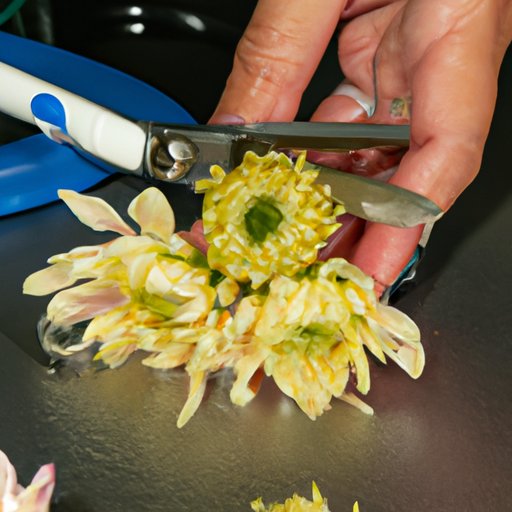
The method you use to cut the stems of your cut flowers can also have an impact on their life span. According to a study from the University of California, Davis, cutting the stems at an angle can increase the surface area for water absorption, thus allowing the flowers to stay hydrated for longer periods of time. Additionally, cutting the stems underwater can also help reduce air bubbles, which can cause the stems to block the absorption of water.
When cutting the stems of your cut flowers, it’s important to consider the type of flower you’re using and the desired effect you’re hoping to achieve. Additionally, you should also research the proper cutting techniques for the particular flower you’re using to ensure that you’re getting the most out of your technique.
Conclusion
Cut flowers can add bright color and life to any home, but unfortunately, they can also be quite fleeting. To make the most out of your floral arrangement, it’s important to understand what factors influence cut flower life span and how to extend its duration. In this article, we’ve explored the science behind cut flower longevity, including the effects of different types of water, temperature, light exposure, plant hormones, preservatives and cutting methods. By taking these factors into consideration, you can ensure that your cut flowers stay fresh and vibrant for as long as possible.
(Note: Is this article not meeting your expectations? Do you have knowledge or insights to share? Unlock new opportunities and expand your reach by joining our authors team. Click Registration to join us and share your expertise with our readers.)