

Introduction
Forensic science is a broad field that applies scientific principles and techniques to investigate crimes. It is used to analyze evidence found at crime scenes, such as fingerprints, DNA, and other physical evidence, in order to determine who committed a crime. A degree in forensic science can open up many career opportunities, from working in law enforcement to becoming a private investigator or crime scene analyst. But before you can pursue a career in forensic science, you must first decide which major to pursue.

Benefits of a Degree in Forensic Science
A degree in forensic science can provide many benefits, both professionally and personally. Professionally, it can lead to increased job opportunities, higher salaries, and career advancement. According to the U.S. Bureau of Labor Statistics, jobs in forensic science are projected to grow 6 percent from 2019 to 2029.
Forensic scientists also receive professional recognition for their expertise and knowledge of the field. This can include awards, certifications, and fellowships that demonstrate their level of proficiency in the field. Furthermore, having a degree in forensic science can open doors to other opportunities, such as teaching, consulting, or working in a laboratory.

Deciding on a Major in Forensic Science
When deciding which major to pursue, it is important to research different programs and evaluate your options. There are several types of forensic science majors, including criminal justice, chemistry, biology, and psychology. Each major has its own set of courses, so it’s important to consider which one best suits your interests and goals.
It is also important to consider the cost of the program. Many universities offer financial aid and scholarships, so be sure to explore these options when researching different programs. Additionally, some universities may offer internships or other experiences that can help you gain valuable experience in the field.
Preparing for a Career in Forensic Science
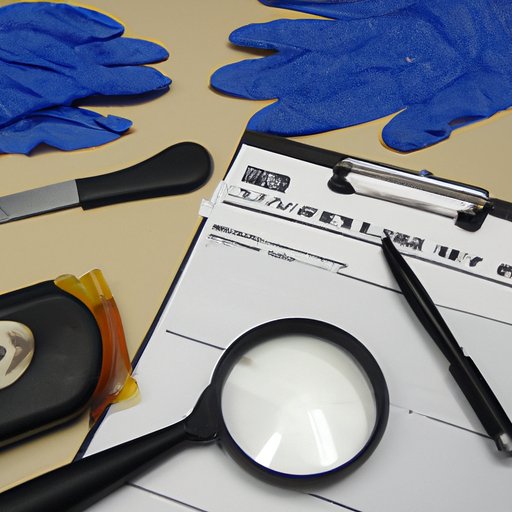
In addition to a degree in forensic science, there are certain skills and knowledge that are necessary for success in the field. Understanding the legal system and being familiar with the latest technologies and techniques used to collect and analyze evidence are essential for those pursuing a career in forensic science.
Developing technical knowledge is also important. This includes understanding the principles of forensic science and being able to accurately identify, collect, and analyze evidence. Participating in an internship or other experiences can also help you gain the necessary skills and knowledge needed for a successful career in forensic science.
What to Expect When Pursuing a Forensic Science Major
The length of a forensic science program can vary depending on the university and major chosen. Generally, a bachelor’s degree in forensic science takes four years to complete, while a master’s degree can take two to three years. The coursework requirements will also vary depending on the major chosen, but typically include classes in chemistry, biology, physics, math, and computer science.
Laboratory work is also an important part of a forensic science program. Students will be exposed to various laboratory techniques and equipment and will learn how to properly collect and analyze evidence. It is important for students to understand the importance of accuracy and precision when working in a lab setting.
How to Choose the Right Forensic Science Major
Choosing the right major in forensic science is an important decision. It is important to consider your interests and explore specialized programs that may be offered. For example, if you are interested in criminal justice, a major in criminal justice may be a better option than a major in chemistry or biology. Speaking to professionals in the field can also be helpful, as they can offer advice on which major may be best suited for your interests and goals.
Understanding the Different Requirements for a Forensic Science Major
In addition to the academic requirements, there are certain professional certifications and licensing requirements that must be met in order to pursue a career in forensic science. These vary by state, so it is important to research the requirements in your area. Professional certifications, such as the American Board of Criminalistics (ABC), can demonstrate your knowledge and proficiency in the field.
Conclusion
Pursuing a major in forensic science can open up many opportunities for those interested in the field. It is important to research different programs and evaluate your options before deciding on a major. Additionally, understanding the necessary skills and knowledge needed for a successful career in forensic science is essential. With proper preparation and dedication, a degree in forensic science can lead to a rewarding career.
(Note: Is this article not meeting your expectations? Do you have knowledge or insights to share? Unlock new opportunities and expand your reach by joining our authors team. Click Registration to join us and share your expertise with our readers.)