
Introduction
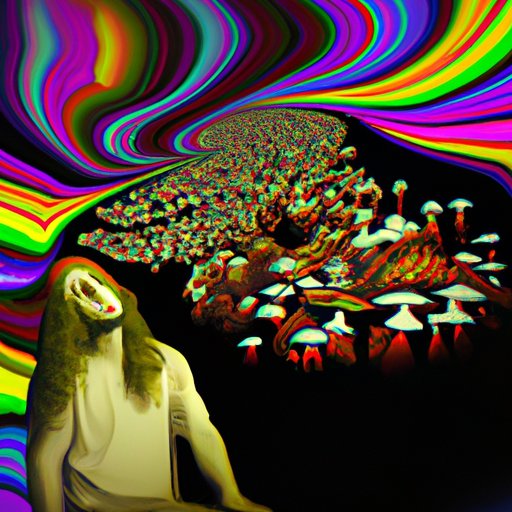
Tripping is a term used to describe the use of psychedelic drugs or hallucinogens. It involves ingesting substances that can cause changes in perception, thought processes, emotions, and consciousness. Tripping has been around for centuries, with some cultures using it for spiritual exploration and healing. While tripping can be an intense experience, it can also offer users insight into themselves and the world around them. In this article, we will explore what tripping is and how it works, its potential benefits and risks, and the psychology behind tripping and its impact on mental health.
Exploring the Basics of Tripping: What is Tripping and How Does it Work?
Tripping is the process of taking a psychedelic drug or hallucinogen. These substances are often derived from plants and fungi and work by altering the user’s brain chemistry. Commonly used psychedelics include LSD (lysergic acid diethylamide), psilocybin (the active ingredient in magic mushrooms), and mescaline (the active ingredient in peyote). Each substance has its own effects, which may vary depending on the dose and the individual.
When taken, these substances can produce a range of physical and psychological effects. These effects can include altered senses of sight, sound, and taste; increased energy; altered sense of time; hallucinations; and altered states of consciousness. The effects of tripping can last anywhere from a few hours to several days, depending on the substance and dose taken.
A Guide to Different Types of Trips and Their Effects
The physical effects of tripping vary depending on the substance used. For example, LSD can cause dilated pupils, increased heart rate and blood pressure, nausea, and tremors. Psilocybin can cause muscle weakness, dizziness, and changes in appetite. Mescaline can cause changes in temperature, sweating, and vomiting. In general, all psychedelics can cause feelings of euphoria, increased creativity, and heightened senses.
The psychological effects of tripping can also vary depending on the substance used. Many people report feeling a sense of peace and connection with the universe while under the influence of psychedelics. Others may experience paranoia, confusion, or even fear. It is important to remember that everyone’s experience with psychedelics is different, so it is best to approach tripping with caution and an open mind.

Exploring the Benefits and Risks of Tripping
There are both potential benefits and risks associated with tripping. On the one hand, many people report finding insights into themselves and the world around them while under the influence of psychedelics. Some have even found relief from depression and anxiety. On the other hand, there are risks associated with tripping, including hallucinations, paranoia, and even psychosis. It is important to be aware of the potential risks before engaging in tripping.
It is also important to note that the effects of tripping can be unpredictable. For this reason, it is best to approach tripping with caution and to never take more than the recommended dose. It is also important to have a sober and supportive person present when tripping, as this can help reduce the risk of any adverse reactions.

An Overview of Tripping Culture and Trends
The popularity of tripping varies between cultures and countries. In some cultures, psychedelics are used in religious ceremonies and rituals, while in others they are seen as recreational drugs. In recent years, the use of psychedelics has become increasingly popular in the Western world, with some countries even decriminalizing their use.
Common practices and beliefs surrounding tripping include setting and environment preparation, mindfulness, and integration. Setting and environment preparation involve choosing a safe, comfortable place to take the psychedelics. Mindfulness involves being aware of one’s thoughts and feelings during the trip. Integration involves reflecting on the experience afterwards and integrating any insights gained into one’s life.

Understanding the Psychology Behind Tripping and Its Impact on Mental Health
Research suggests that psychedelics can have a positive effect on mental health. Studies have found that psychedelics can reduce symptoms of depression and anxiety, as well as increase feelings of wellbeing and connection to the world around them. However, it is important to note that psychedelics can also have negative psychological effects, such as paranoia, confusion, and fear.
It is also important to understand that psychedelics can affect different people in different ways. For this reason, it is important to approach tripping with caution and to never take more than the recommended dose. Additionally, it is important to have a sober and supportive person present when tripping, as this can help reduce the risk of any adverse reactions.
Conclusion
In conclusion, tripping can be an intense experience with the potential to offer users insight into themselves and the world around them. It is important to understand the basics of tripping and its potential benefits and risks before engaging in it. Additionally, it is important to be aware of the psychological effects of tripping, as well as its impact on mental health. Finally, it is important to approach tripping with caution and to always have a sober and supportive person present when tripping.
(Note: Is this article not meeting your expectations? Do you have knowledge or insights to share? Unlock new opportunities and expand your reach by joining our authors team. Click Registration to join us and share your expertise with our readers.)