

Introduction
Heredity, or the transmission of genetic characteristics from one generation to the next, is a concept that has captivated scientists for centuries. From Charles Darwin’s groundbreaking work on evolution to modern-day genetic research, heredity is an integral part of our understanding of biology. The science of heredity, which is also known as genetics, is the study of how traits are passed down from parent to offspring. It seeks to answer questions about why we look and act the way we do, and how inherited traits can be changed or modified over time.
Exploring the Science of Heredity – What is it and How Does it Work?
Genetics is the scientific study of heredity. As defined by the National Institutes of Health (NIH), “genetics is the study of genes, genetic variation, and heredity in living organisms.” Genetics is used to explain how traits are inherited from parents to offspring, and how those traits can be altered over time through natural selection and mutation. Geneticists use a variety of tools and techniques to study heredity, including molecular biology, biochemistry, and population genetics.
The role of DNA in heredity is perhaps the most important aspect of genetics. DNA, or deoxyribonucleic acid, is the molecule that carries genetic information from one generation to the next. DNA is composed of four bases—adenine, guanine, cytosine, and thymine—which form a code that is unique to each individual. This code contains instructions for making proteins, which are the building blocks of life. When a cell divides, it passes on its genetic information to the new cells via DNA.
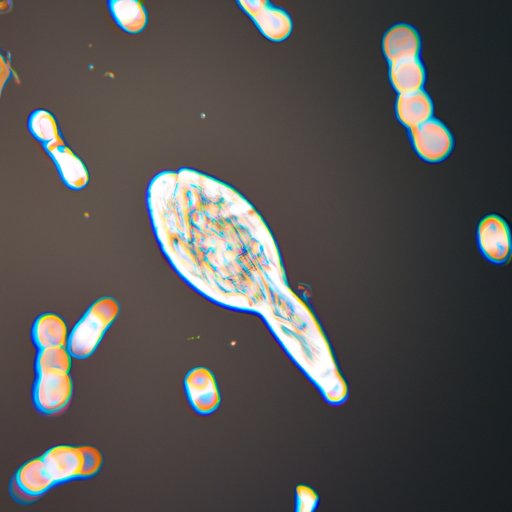
A Closer Look at the Science of Heredity
Heredity is the science of how traits are passed down from parent to offspring. It involves the study of genes, chromosomes, and traits, and how they are affected by environmental factors. Heredity can be studied at the level of the individual, a family, a population, or even a species.
There are two main types of inheritance patterns: autosomal inheritance and sex-linked inheritance. Autosomal inheritance refers to the transfer of traits from parent to offspring through the chromosomes that are not involved in determining the gender of the child. Sex-linked inheritance occurs when a trait is passed down through the X or Y chromosome. These chromosomes determine the gender of the child.
The genetic code is another key aspect of the science of heredity. It is a set of instructions encoded in the DNA that tells the body how to make proteins and other molecules. Each gene is composed of a sequence of nucleotides, which are the building blocks of DNA. These sequences determine the traits that are passed down from one generation to the next.
Understanding the Principles of Heredity
Genes, chromosomes, and traits are all related to heredity. Genes are sections of DNA that contain the instructions for making proteins. They are located on chromosomes, which are structures made up of DNA and proteins. Chromosomes come in pairs, and each parent contributes one chromosome to each pair. Traits are characteristics that are passed down from one generation to the next, such as eye color or height.
Mendel’s laws of inheritance are fundamental principles of genetics that were first proposed by Gregor Mendel in the 19th century. According to Mendel’s laws, traits are inherited in predictable patterns based on their dominant and recessive forms. For example, if one parent has blue eyes and the other has brown eyes, the child will likely have brown eyes because brown is the dominant trait.
Finally, the environment plays an important role in heredity. While genes provide the instructions for making proteins, the environment can influence how those instructions are expressed. For example, exposure to certain toxins or pollutants can cause changes in gene expression that could lead to health problems.
Conclusion
The science of heredity is complex but fascinating. It involves the study of genes, chromosomes, and traits, and how they are affected by environmental factors. Heredity has been the subject of intense research for centuries, and its implications for today’s world are far-reaching. Understanding how heredity works can help us better understand our own biology, as well as the biology of other organisms.
From Mendel’s laws of inheritance to the role of DNA in heredity, the science of heredity is an ever-evolving field of study. With further research, scientists may discover new ways to modify or alter inherited traits, leading to a better understanding of how we are all connected.
(Note: Is this article not meeting your expectations? Do you have knowledge or insights to share? Unlock new opportunities and expand your reach by joining our authors team. Click Registration to join us and share your expertise with our readers.)