
Introduction
A plant-based diet focuses on consuming whole foods that come from plants. This type of diet excludes animal products such as meat, dairy, and eggs. While some people may choose to follow a vegan or vegetarian diet, it’s important to note that these diets don’t always overlap with a plant-based diet. For example, someone who follows a vegan diet may still consume processed foods and unhealthy snacks.
Definition of Plant-Based Diet
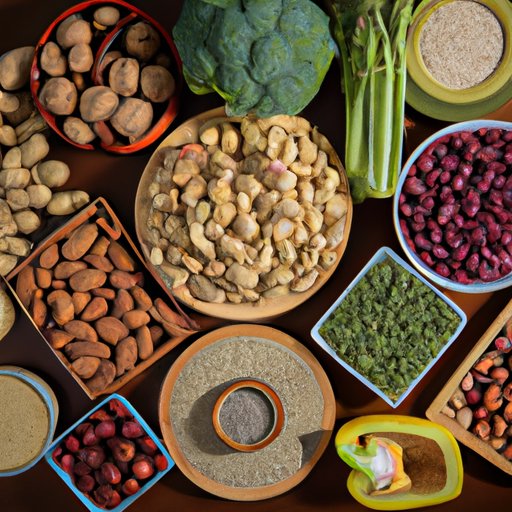
The term “plant-based diet” has been used in various ways over the years. Generally speaking, it refers to an eating pattern that emphasizes minimally processed foods that come from plants. This includes fruits, vegetables, legumes, whole grains, nuts, and seeds. It also includes plant-based proteins such as tofu, tempeh, seitan, and edamame.
Benefits of Plant-Based Diet
There are many potential health benefits associated with a plant-based diet. Studies have shown that people who follow a plant-based diet tend to have lower levels of cholesterol, blood pressure, and body weight. Additionally, research suggests that a plant-based diet can reduce the risk of certain chronic diseases, such as heart disease and type 2 diabetes. According to a study published in The American Journal of Clinical Nutrition, “Plant-based diets are associated with reduced risks of several chronic diseases, including cardiovascular disease, hypertension, type 2 diabetes, obesity, and certain types of cancer.”
What to Eat on a Plant-Based Diet
When it comes to eating a plant-based diet, variety is key. Here are some of the foods you should include:
Fruits
Fruits are high in fiber, vitamins, minerals, and antioxidants. They are a great source of natural sweetness and can be enjoyed fresh, frozen, or canned.
Vegetables
Vegetables are packed with vitamins, minerals, and other important nutrients. Aim to fill half your plate with non-starchy vegetables such as leafy greens, broccoli, cauliflower, peppers, mushrooms, and tomatoes.
Legumes
Legumes are high in protein and fiber. Examples of legumes include beans, lentils, chickpeas, split peas, and peanuts.
Whole Grains
Whole grains are a great source of fiber, B vitamins, and minerals. Examples of whole grains include quinoa, oats, brown rice, barley, and buckwheat.
Nuts and Seeds
Nuts and seeds are high in healthy fats and plant-based protein. Examples include almonds, walnuts, cashews, pumpkin seeds, sunflower seeds, chia seeds, and flaxseeds.
How to Transition to a Plant-Based Diet
Making the transition to a plant-based diet can seem intimidating, but it doesn’t have to be. Here are some tips to help make the process easier:
Start Slowly
If you’re used to eating a lot of animal products, try reducing them gradually. Start by adding more plant-based meals into your weekly routine and eventually work towards eliminating animal products completely.
Make Healthy Swaps
You don’t have to give up all your favorite foods when transitioning to a plant-based diet. Instead, look for ways to swap out animal products for plant-based alternatives. For example, you could try using tofu instead of chicken or almond milk instead of cow’s milk.
Find Recipes and Meal Ideas
Having a few go-to recipes makes it easier to stick to a plant-based diet. Look for simple, delicious recipes that you can make ahead of time or whip up quickly during the week. There are plenty of cookbooks, websites, and blogs dedicated to plant-based cooking.
Common Misconceptions about Plant-Based Diets
Despite the potential health benefits of a plant-based diet, there are still some misconceptions about this type of eating. Here are a few of the most common myths about plant-based diets:
Plant-Based Diets Are Unhealthy
This couldn’t be further from the truth. Studies have shown that plant-based diets can reduce the risk of chronic diseases and improve overall health. As long as you’re eating a variety of nutrient-dense foods, a plant-based diet can be just as healthy (if not healthier) than any other type of diet.
Plant-Based Diets Don’t Provide Enough Protein
This myth is easily debunked. Plant-based foods such as legumes, nuts, and seeds are excellent sources of protein. Eating a variety of these foods will ensure you get enough protein in your diet.
Plant-Based Diets Are Too Expensive
It’s true that some plant-based foods can be pricey, but that doesn’t mean you have to break the bank to eat a plant-based diet. Focus on buying items such as dried beans, frozen fruits and vegetables, and whole grains, which are often cheaper than packaged and processed foods.
Tips for Following a Plant-Based Diet
Here are some tips to help you stick to a plant-based diet:
Focus on Whole Foods
Whole foods are minimally processed and don’t contain added sugar, sodium, or other unhealthy ingredients. Choose whole foods whenever possible and limit processed and packaged foods.
Incorporate Variety
Eating a variety of foods ensures you’re getting all the essential vitamins, minerals, and other nutrients your body needs. Try to incorporate a wide range of colors and flavors into your meals.
Track Your Progress
Set goals for yourself and track your progress. This will help keep you motivated and on the right track. Consider keeping a food journal or taking photos of your meals.
Conclusion
A plant-based diet can have many potential health benefits and is a great way to get more fruits, vegetables, and other nutritious foods into your diet. If you’re interested in trying a plant-based diet, start slowly and focus on eating a variety of whole foods. With a little bit of planning and dedication, you can reap the benefits of a plant-based diet in no time.
(Note: Is this article not meeting your expectations? Do you have knowledge or insights to share? Unlock new opportunities and expand your reach by joining our authors team. Click Registration to join us and share your expertise with our readers.)