

Introduction
The peloton is an essential part of the Tour de France, one of the world’s most prestigious cycling races. The term “peloton” refers to the main group of riders in the race, which typically consists of dozens of cyclists. These riders form a tight-knit pack, drafting off each other to conserve energy and minimize wind resistance. While the peloton is often viewed as a single entity, it is actually composed of several distinct types of riders, each with their own strategies and goals. In this article, we will explore the peloton in the Tour de France, providing a beginner’s guide to understanding its role in the race and the tactics used by riders.
A Beginner’s Guide to the Peloton in the Tour de France
The peloton plays a crucial role in the Tour de France, as it is responsible for setting the pace of the race and determining who ultimately wins. But what exactly is the peloton? How does it affect the race? And what are the advantages and disadvantages of riding in the peloton? Let’s take a closer look.
What is the Peloton?
The peloton is the main group of riders in any cycling race, but it is particularly important in the Tour de France. The peloton is made up of dozens of riders who ride together in a tightly packed formation. This formation helps to reduce wind resistance and allows the riders to conserve energy. As the peloton moves along the course, it changes shape as riders move up and down in the pack, depending on their individual goals and strategies.
How Does it Affect the Race?
The peloton has a major impact on the race, as it sets the pace of the race and can make or break a rider’s chances of victory. As the peloton moves along the course, the riders use various tactics and strategies to gain an advantage over each other. Riders who stay in the peloton have the benefit of drafting off each other, which helps them conserve energy and maintain a higher average speed. On the other hand, riders who try to break away from the peloton must expend more energy and may not be able to keep up the pace. Ultimately, the peloton has the power to decide who wins the race.
What are the Advantages and Disadvantages of Riding in the Peloton?
Riding in the peloton has both advantages and disadvantages. On the plus side, riders in the peloton benefit from drafting off each other, which helps them conserve energy and maintain a higher average speed. Additionally, the peloton provides protection from the wind, allowing riders to save energy that would otherwise be expended fighting against the wind. On the downside, the peloton is crowded and chaotic, so riders must pay close attention to avoid crashing into one another. Furthermore, the peloton can slow down unexpectedly, making it difficult for riders to stay at the front of the pack.
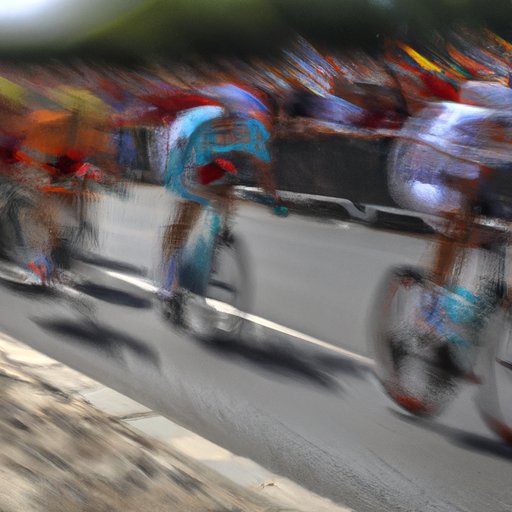
Exploring the Dynamics of the Peloton in the Tour de France
The peloton in the Tour de France is composed of many different types of riders, each with their own strategies and goals. To understand the dynamics of the peloton, it is helpful to examine the different types of riders and the strategies they use.
Different Types of Riders in the Peloton
The peloton in the Tour de France is composed of several distinct types of riders. The most common are the sprinters, who are the fastest riders in the race and focus on winning individual stages. There are also climbers, who specialize in ascending steep hills and mountains. Additionally, there are domestiques, who are support riders who sacrifice their own chances of winning to help their team leader. Finally, there are breakaway riders, who attempt to break away from the peloton and establish a lead.
Strategies Used by Riders in the Peloton
Riders in the peloton use various strategies to gain an advantage over each other. Sprinters focus on positioning themselves near the front of the pack, while climbers try to stay near the back to conserve energy for the ascents. Domestiques use tactics such as blocking and pacing to help their team leader stay near the front of the pack. Breakaway riders attempt to break away from the peloton and establish a lead, but this is often difficult due to the strength of the peloton.
How the Peloton is Formed and Maintained
The peloton is formed and maintained through a combination of tactics and strategies. At the start of the race, the riders all begin together and quickly form a tightly packed formation. As the race progresses, riders use tactics such as drafting and pacing to stay near the front of the pack. Additionally, riders may use blocking tactics to slow down the peloton and give their teammates an advantage. These tactics help to maintain the peloton and ensure that the riders stay together.
The History and Evolution of the Peloton in the Tour de France
The peloton in the Tour de France has a long and fascinating history. Over the years, the peloton has undergone significant changes, from its origins as a loose collection of riders to its current status as an organized and powerful force in the race.
Origins of the Peloton
The peloton first appeared in the Tour de France in 1903, when Henri Desgrange created the race. At the time, the peloton was a loose collection of riders who rode independently and without much organization. However, as the sport of cycling evolved, the peloton began to take on a more organized form and become an integral part of the race.
Changes in the Peloton Over Time
Over the years, the peloton has changed significantly. As the sport of cycling has become more organized and professionalized, the peloton has become more structured and strategic. Riders now use tactics such as drafting, blocking, and pacing to gain an advantage over each other. Additionally, technology has had a major impact on the peloton, as riders now use power meters and data analysis to optimize their performance.
Impact of Technology on the Peloton
Technology has had a profound impact on the peloton in the Tour de France. Riders now use power meters and data analysis to analyze their performance and optimize their strategies. Additionally, modern bicycles are lighter and more aerodynamic than ever before, allowing riders to maintain a higher average speed and draft off each other more effectively. Ultimately, technology has had a major impact on the peloton and the strategies used by riders.
Breaking Down the Strategies Behind the Peloton in the Tour de France
The peloton in the Tour de France is a complex and fascinating phenomenon, and it is important to understand the strategies behind its formation and maintenance. Let’s take a closer look at some of the tactics used by riders in the peloton.
Tactics Used by the Peloton
Riders in the peloton use a variety of tactics to gain an advantage over each other. Drafting is one of the most common tactics, as riders use the slipstream of the rider ahead of them to conserve energy. Additionally, riders may use blocking tactics to slow down the peloton and give their teammates an advantage. Finally, riders may use pacing tactics to maintain a steady speed and prevent the peloton from breaking apart.
Role of the Lead Riders
Lead riders play an important role in the peloton, as they set the pace of the race and help protect the other riders from the wind. Typically, the lead riders are the strongest and most experienced riders in the race, as they must be able to maintain a high speed and keep the peloton together. Without the lead riders, the peloton would quickly break apart and the race would be much more difficult for the other riders.
Tactics Used to Break Away from the Peloton
Breakaway riders attempt to break away from the peloton and establish a lead. This can be difficult, as the peloton is a powerful force and riders must expend a lot of energy to break away. Tactics such as attacking and bridging are commonly used by breakaway riders, as these allow them to create a gap between themselves and the peloton and build a lead. Additionally, riders may use tactics such as drafting and pacing to conserve energy and maintain a higher average speed.
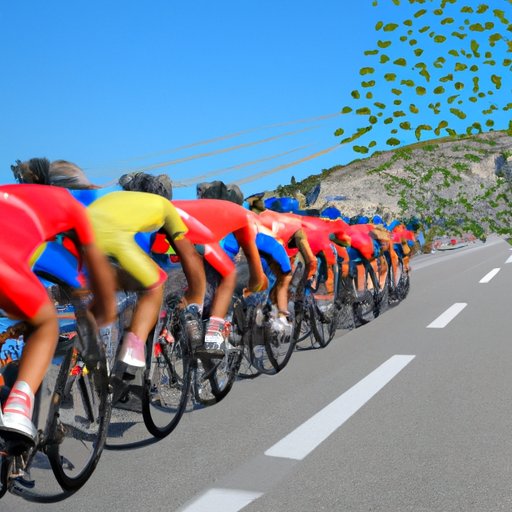
Examining the Role of the Peloton in the Race for Victory in the Tour de France
The peloton plays a crucial role in the race for victory in the Tour de France. Let’s take a closer look at the benefits of staying in the peloton, the challenges of racing against the peloton, and the role of the peloton in determining the winner.
Benefits of Staying in the Peloton
Staying in the peloton has several benefits. Riders in the peloton benefit from drafting off each other, which helps them conserve energy and maintain a higher average speed. Additionally, the peloton provides protection from the wind, allowing riders to save energy that would otherwise be expended fighting against the wind. Finally, the peloton is a powerful force and can make or break a rider’s chances of victory.
Challenges of Racing Against the Peloton
Racing against the peloton can be difficult, as the peloton is a powerful force and riders must expend a lot of energy to break away. Additionally, riders must be aware of the tactics used by the peloton, such as drafting and blocking, in order to gain an advantage. Finally, riders must pay close attention to avoid crashing into each other, as the peloton can be crowded and chaotic.
Role of the Peloton in Determining the Winner
The peloton plays a major role in determining the winner of the Tour de France. Riders who stay in the peloton have the benefit of drafting off each other, which helps them conserve energy and maintain a higher average speed. On the other hand, riders who try to break away from the peloton must expend more energy and may not be able to keep up the pace. Ultimately, the peloton has the power to decide who wins the race.
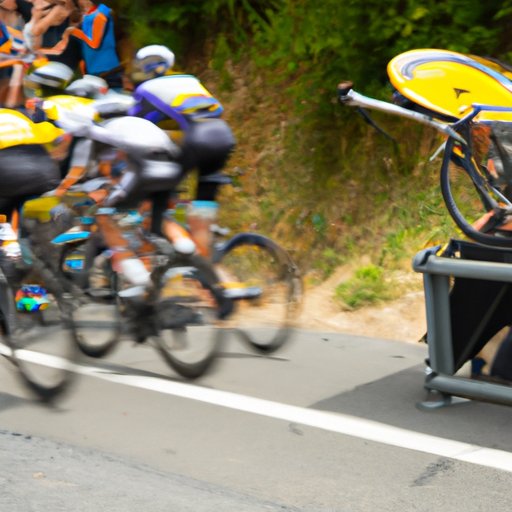
Inside Look at the Tactics Used by the Peloton in the Tour de France
In addition to the tactics discussed above, riders in the peloton use a variety of other tactics to gain an advantage over each other. Let’s take a closer look at some of these tactics.
Drafting
Drafting is one of the most common tactics used by riders in the peloton. This tactic involves riding behind another rider and using the slipstream of the rider ahead to conserve energy. By drafting, riders can maintain a higher average speed and conserve energy that would otherwise be expended fighting against the wind.
Blocking
Blocking is a tactic used by riders to slow down the peloton and give their teammates an advantage. This tactic involves strategically positioning oneself near the front of the pack and slowing down, forcing the other riders to slow down as well. Blocking is often used by domestiques to help their team leader stay near the front of the pack.
Pacing
Pacing is another tactic used by riders in the peloton. This tactic involves maintaining a steady speed and preventing the peloton from breaking apart. Pacing is often used by lead riders, as they must be able to maintain a high speed and keep the peloton together. Additionally, pacing can be used by breakaway riders to conserve energy and maintain a higher average speed.
Conclusion
The peloton is an essential part of the Tour de France, and it plays a major role in determining the winner of the race. Understanding the dynamics of the peloton is key to success in the Tour de France, as riders must use tactics such as drafting, blocking, and pacing to gain an advantage over each other. The peloton has a long and fascinating history, and it continues to evolve as technology advances and riders develop new strategies. Ultimately, the peloton is a powerful force and an integral part of the Tour de France.
(Note: Is this article not meeting your expectations? Do you have knowledge or insights to share? Unlock new opportunities and expand your reach by joining our authors team. Click Registration to join us and share your expertise with our readers.)