
Introduction
The Mediterranean diet is one of the most popular diets in the world. It is based on the traditional dietary patterns of people living in the Mediterranean region and is known for its many health benefits. This article will provide an overview of the Mediterranean diet, as well as explore its benefits, science, and common misconceptions.
A Comprehensive Guide to the Mediterranean Diet
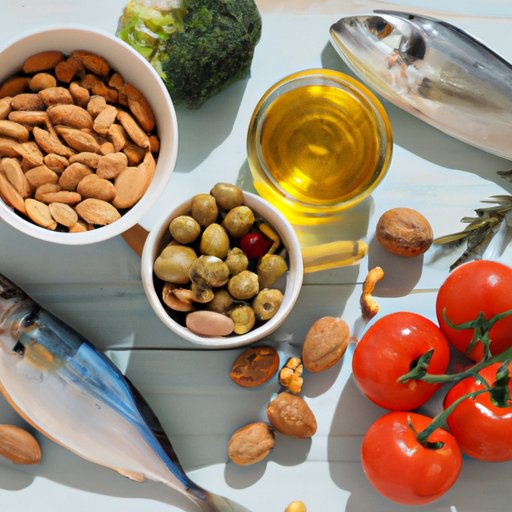
The Mediterranean diet is a way of eating that is focused on whole, unprocessed foods such as fruits, vegetables, whole grains, legumes, nuts, seeds, and healthy fats. It is also characterized by moderate consumption of lean proteins and limited consumption of red meat and sugar. Here are some key components of the Mediterranean diet:
Fruits and Vegetables
Fruits and vegetables are the foundation of the Mediterranean diet. They are rich in vitamins, minerals, fiber, and antioxidants, and should make up the majority of your daily meals. Aim to include at least five servings of fruits and vegetables per day.
Whole Grains
Whole grains are an important source of fiber, B vitamins, and minerals. Choose whole grain products such as oats, quinoa, brown rice, and whole wheat bread instead of refined grains. Limit your intake of white bread, pasta, and other processed grain products.
Healthy Fats
Healthy fats are an essential part of the Mediterranean diet. Olive oil is the main fat used in the diet and should be used for cooking or added to salads and other dishes. Other sources of healthy fats include avocados, nuts, and seeds.
Lean Proteins
Lean proteins such as chicken, fish, eggs, and legumes are important sources of essential amino acids. Try to focus on plant-based proteins such as beans, lentils, and nuts, which are lower in saturated fat and cholesterol than animal proteins.
Moderate Alcohol Intake
Alcohol is allowed in moderation on the Mediterranean diet. Red wine is often recommended due to its potential health benefits, but any type of alcohol can be enjoyed in moderation.
Limited Red Meat Consumption
Red meat should only be consumed occasionally on the Mediterranean diet. When you do eat red meat, opt for grass-fed beef or organic, pasture-raised pork and poultry. Processed meats such as bacon, sausage, and deli meats should be avoided.
Sample Meals
Here are some examples of meals that meet the guidelines of the Mediterranean diet:
- Breakfast: Overnight oats with fresh berries and Greek yogurt
- Lunch: Quinoa salad with grilled vegetables, feta cheese, and olive oil
- Dinner: Baked salmon with roasted Brussels sprouts and mashed sweet potatoes
- Snacks: Hummus and vegetable sticks, a handful of nuts, or an apple with nut butter
Exploring the Benefits of a Mediterranean Diet
Adopting a Mediterranean diet has been linked to a variety of health benefits, including:
Lower Risk of Chronic Diseases
The Mediterranean diet has been shown to reduce the risk of chronic diseases such as diabetes, heart disease, and cancer. In fact, a study published in The New England Journal of Medicine found that people who followed a Mediterranean diet had a 30% lower risk of developing cardiovascular disease than those who did not.
Improved Heart Health
Studies have found that the Mediterranean diet can improve heart health by reducing inflammation, lowering cholesterol levels, and improving blood pressure. A recent study published in the journal Nutrition & Metabolism concluded that following a Mediterranean diet could reduce the risk of heart disease by up to 25%.
Weight Loss
The Mediterranean diet can also help with weight loss. Studies have found that people who follow the diet tend to eat fewer calories and have a healthier body composition than those who don’t. Additionally, the high fiber content of the diet helps to keep you feeling full for longer.

The Science Behind the Mediterranean Diet
The Mediterranean diet is based on the traditional eating habits of people living in the Mediterranean region. These regions are known for their nutrient-dense diets, which are rich in fruits, vegetables, healthy fats, and whole grains. Here are some of the key scientific principles behind the Mediterranean diet:
Nutrient Density
The Mediterranean diet is packed with nutrient-dense foods such as fruits, vegetables, whole grains, nuts, and seeds. These foods are rich in vitamins, minerals, and antioxidants, which can help to boost immunity and reduce the risk of chronic diseases.
Antioxidant-Rich Foods
The Mediterranean diet is also high in antioxidant-rich foods such as olives, tomatoes, garlic, and herbs. Antioxidants are powerful compounds that protect cells from damage and help to reduce inflammation. Studies have found that consuming antioxidant-rich foods can reduce the risk of various diseases, including cancer and heart disease.

How to Follow the Mediterranean Diet on a Budget
It is possible to follow the Mediterranean diet on a budget. Here are some tips for sticking to the diet while saving money:
Utilizing Seasonal Produce
Fruits and vegetables are some of the most expensive items on the grocery list. To save money, try to buy seasonal produce. You can also look for deals on frozen fruits and vegetables, which can be just as nutritious as fresh produce.
Shopping at Local Markets
Local markets are great places to find fresh produce at discounted prices. You can also find bulk items like grains and nuts, which can save you money in the long run.
Making Use of Frozen Foods
Frozen foods can be a great way to save money on the Mediterranean diet. Look for frozen fruits, vegetables, and fish, which can be just as nutritious as fresh foods and often cost less. Just be sure to check the ingredient list to make sure there are no added sugars or unhealthy fats.

Common Misconceptions About the Mediterranean Diet
Despite its popularity, there are still some misconceptions about the Mediterranean diet. Here are some of the most common ones:
Not All Mediterranean Diets are Created Equal
It is important to remember that there is no one-size-fits-all approach to the Mediterranean diet. Different countries in the Mediterranean region have different traditional diets, so it is important to find a version of the diet that works best for you.
It is Not Necessarily Low-Calorie
Although the Mediterranean diet is often associated with weight loss, it is not necessarily a low-calorie diet. The key to weight loss is to focus on portion control and to make sure you are eating nutrient-dense foods.
There is No One-Size-Fits-All Approach
Everyone is different, so it is important to find a version of the Mediterranean diet that works for you. If you are vegetarian or vegan, for example, you may need to adjust the diet to suit your lifestyle and food preferences.
Conclusion
The Mediterranean diet is a healthy way of eating that is based on the traditional dietary patterns of people living in the Mediterranean region. It is rich in nutrient-dense foods such as fruits, vegetables, whole grains, and healthy fats, and is associated with a variety of health benefits. To get the most out of the diet, focus on eating whole, unprocessed foods and limit your intake of processed foods and added sugars. With a bit of planning, it is possible to follow the Mediterranean diet on a budget. Finally, remember that there is no one-size-fits-all approach to the diet, so make sure to find a version that works for you.
(Note: Is this article not meeting your expectations? Do you have knowledge or insights to share? Unlock new opportunities and expand your reach by joining our authors team. Click Registration to join us and share your expertise with our readers.)