
Introduction
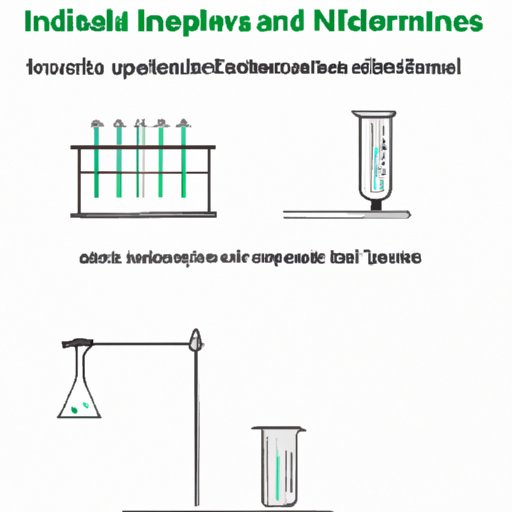
In scientific experiments, an independent variable is a factor that is manipulated by researchers to observe the effects on other variables. It is used to test hypotheses and answer questions about cause-and-effect relationships. By manipulating the independent variable, scientists can study its influence on the dependent variable and draw conclusions from their observations.
Exploring the Role of the Independent Variable in Science Experiments
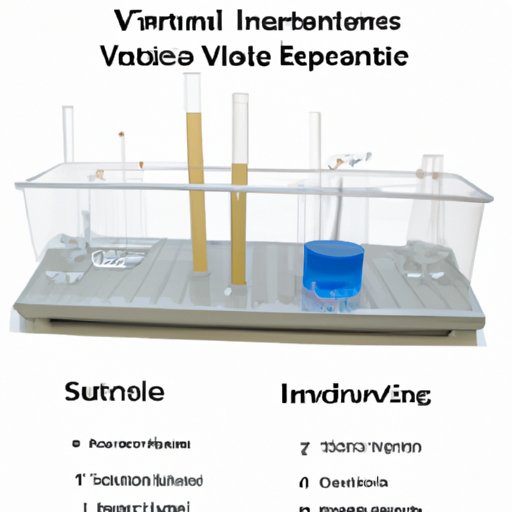
The independent variable is the factor that is changed or controlled in an experiment. It is the variable that is changed to see how it affects the dependent variable. For example, in an experiment to determine how temperature affects the growth rate of plants, temperature would be the independent variable. The researcher would change the temperature of the environment and measure the effects on the growth rate of the plants, which would be the dependent variable.
Understanding the difference between dependent and independent variables is key to designing effective experiments. Dependent variables are factors that are affected by the changes made to the independent variable. In the plant growth experiment, the dependent variable is the growth rate of the plants, which is determined by the temperature of the environment.

Understanding the Impact of the Independent Variable on Scientific Research
The relationship between the independent variable and the hypothesis is important in designing experiments. The hypothesis is a statement of what the researcher believes will happen when the independent variable is changed. In the plant growth experiment, the hypothesis might be that “increasing the temperature of the environment will lead to an increase in the growth rate of the plants.”
The independent variable also affects data collection. Researchers must decide how they will measure the effects of the independent variable on the dependent variable. In the plant growth experiment, the researcher might measure the growth rate of the plants using a ruler or other measuring device. They must also decide how many measurements need to be taken to accurately measure the effects of the independent variable.
What is an Independent Variable and How Does it Affect Experiment Results?
Identifying the independent variable in a science experiment is essential for conducting meaningful research. When designing an experiment, researchers must identify the independent variable, as well as the dependent variable, before beginning the experiment. This allows them to focus their efforts on testing the effects of the independent variable on the dependent variable.
Determining the effects of the independent variable on experiment results is also important. In the plant growth experiment, the researcher must determine how much of an effect the temperature has on the growth rate of the plants. To do this, the researcher must take multiple readings at different temperatures and compare the results.
A Guide to Using the Independent Variable in a Science Experiment
Establishing the correct level of the independent variable is essential for accurate experiment results. If the independent variable is not set at the correct level, the experiment results may be inaccurate. For example, if the temperature in the plant growth experiment is too low, the results may not show the true effects of the temperature on the growth rate of the plants.
Selecting the appropriate measurement for the independent variable is also important. In the plant growth experiment, the researcher must choose a reliable measuring device for measuring the temperature. A thermometer or other temperature-measuring device would be the most suitable option.
Analyzing the Influence of the Independent Variable on Data Collection
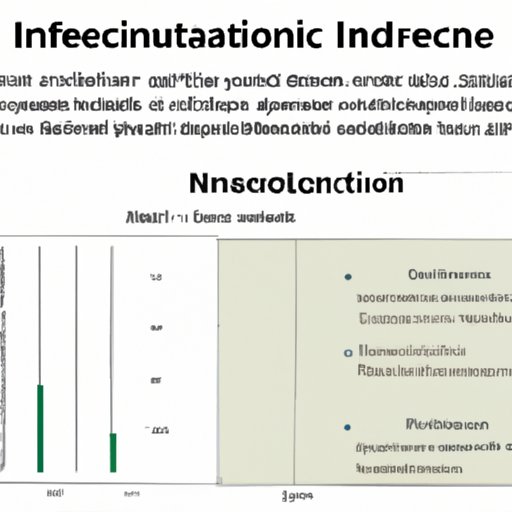
Examining the effects of the independent variable on the data is an important step in the scientific research process. By analyzing the data collected from the experiment, researchers can determine whether the independent variable had an effect on the dependent variable. In the plant growth experiment, the researcher can compare the growth rates of the plants at different temperatures to determine whether the temperature had an effect on the growth rate.
Drawing conclusions from the data based on the independent variable is also possible. After examining the data, the researcher can make conclusions about the effects of the independent variable on the dependent variable. In the plant growth experiment, the researcher could conclude that increasing the temperature of the environment leads to an increase in the growth rate of the plants.
Utilizing the Independent Variable to Test Hypotheses in Scientific Experiments
Developing a hypothesis based on the independent variable is an important step in the scientific research process. By developing a hypothesis, researchers can test the effects of the independent variable on the dependent variable. In the plant growth experiment, the researcher can develop a hypothesis about the effects of temperature on the growth rate of the plants.
Testing the hypothesis with the independent variable is also essential. The researcher can then manipulate the independent variable and measure the effects on the dependent variable. In the plant growth experiment, the researcher can increase the temperature of the environment and measure the effects on the growth rate of the plants.
Conclusion
The independent variable is a crucial factor in any scientific experiment. It is the factor that is manipulated by researchers to observe the effects on other variables and test hypotheses. By understanding the importance of the independent variable, researchers can design effective experiments and collect accurate data. By utilizing the independent variable correctly, researchers can gain valuable insights into cause-and-effect relationships and draw meaningful conclusions from their experiments.
(Note: Is this article not meeting your expectations? Do you have knowledge or insights to share? Unlock new opportunities and expand your reach by joining our authors team. Click Registration to join us and share your expertise with our readers.)