

Introduction
In the world of science, understanding the roles of independent and dependent variables is essential for conducting accurate research and experiments. But what do these terms mean? An independent variable is a factor that can be changed or controlled in an experiment or study, while a dependent variable is a factor that cannot be changed or controlled, and is affected by the independent variable. In this article, we will explore the basics of independent and dependent variables in science, the relationship between them, how they are distinguished from one another, and their importance in scientific study.
Exploring the Basics of Independent and Dependent Variables in Science
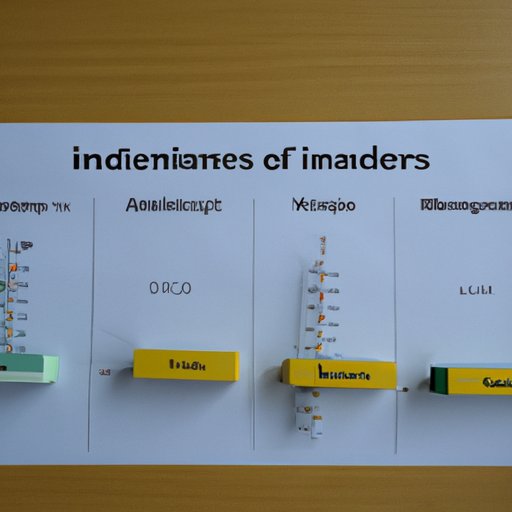
The most basic way to think about independent and dependent variables is to remember that the independent variable is the cause, while the dependent variable is the effect. To put it another way, the independent variable is the variable being tested, while the dependent variable is the variable being measured. As such, the independent variable is the one that is manipulated to observe the effects on the dependent variable. For example, if scientists were studying the effects of light intensity on plant growth, the independent variable would be the light intensity, while the dependent variable would be the plant’s growth.
The Relationship Between Independent and Dependent Variables in Science
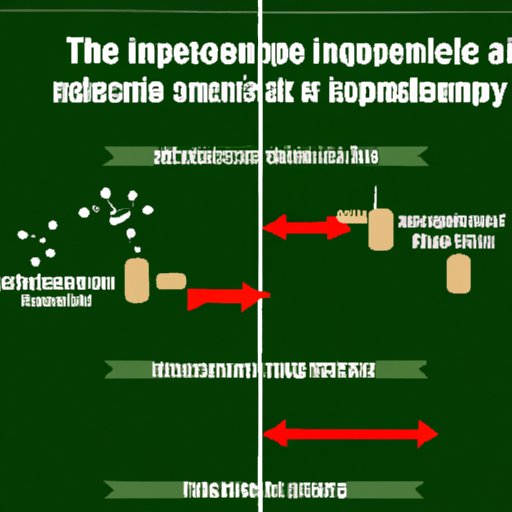
It is important to understand the cause-and-effect relationship between independent and dependent variables in order to accurately interpret the results of a scientific experiment. Generally speaking, when the independent variable changes, the dependent variable also changes. However, there are several different types of relationships that can exist between independent and dependent variables. In some cases, the change in the independent variable causes an increase in the dependent variable. This type of relationship is known as a positive correlation. On the other hand, the change in the independent variable can also cause a decrease in the dependent variable, which is known as a negative correlation. There are also cases where the change in the independent variable has no effect on the dependent variable, which is known as a zero correlation.
Understanding the Difference Between Independent and Dependent Variables in Science
While it may seem like independent and dependent variables are very similar, there are some key differences between the two. The main difference is that independent variables are factors that can be changed or controlled, while dependent variables are factors that cannot be changed or controlled, and are affected by the independent variable. For instance, in a study looking at the effects of temperature on plant growth, the independent variable is the temperature, while the dependent variable is the plant’s growth. Additionally, independent variables are typically given numerical values, while dependent variables are typically measured or observed.
For example, if scientists are studying the effects of fertilizer on plant growth, the independent variable could be the amount of fertilizer used, which is given a numerical value (e.g. 1, 2, 3, etc). The dependent variable would then be the plant’s growth, which is measured or observed (e.g. height, number of leaves, etc).
How Independent and Dependent Variables are Used to Test Hypotheses in Science
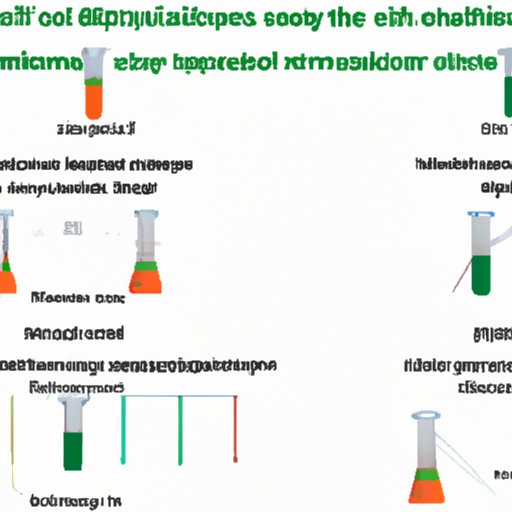
Independent and dependent variables are essential for testing hypotheses in scientific experiments. A hypothesis is a statement that can be tested through experimentation. In order to accurately test a hypothesis, scientists must identify both the independent and dependent variables. The independent variable is the factor that is manipulated or changed in the experiment, while the dependent variable is the factor that is measured or observed.
For example, if a scientist was testing the hypothesis that fertilizer will increase plant growth, the independent variable would be the amount of fertilizer used, while the dependent variable would be the plant’s growth. By manipulating the independent variable and measuring the dependent variable, the scientist can determine whether the hypothesis is true or false.

Examining the Role of Independent and Dependent Variables in Scientific Experiments
In addition to being used to test hypotheses, independent and dependent variables are also used to measure a specific outcome in scientific experiments. For example, if a scientist wanted to measure the effect of fertilizer on plant growth, they would need to identify the independent variable (fertilizer) and the dependent variable (plant growth). Then, the scientist would manipulate the independent variable (by adding different amounts of fertilizer) and measure the dependent variable (by measuring the height of the plants). Through this process, the scientist can determine the effect of the independent variable on the dependent variable.
Unpacking the Interplay Between Independent and Dependent Variables in Science
It is also important to recognize that independent and dependent variables work together in scientific experiments. For instance, in a study looking at the effects of temperature on plant growth, the independent variable (temperature) and the dependent variable (plant growth) are both necessary for the experiment to be successful. Additionally, it is important to control any other variables that could affect the experiment, such as water, light, soil, etc. If these variables are not controlled, it can lead to inaccurate results.
Recognizing the Significance of Independent and Dependent Variables in Scientific Study
Understanding the role of independent and dependent variables is essential for conducting accurate scientific research and experiments. As Dr. David Wescott, professor of psychology at the University of South Carolina, explains, “Without understanding the relationship between independent and dependent variables, it is impossible to accurately interpret the results of a scientific experiment.” Independent and dependent variables are essential for testing hypotheses, measuring outcomes, and unpacking the interplay between different variables. As such, recognizing the significance of these variables is key to conducting successful scientific research.
Conclusion
In conclusion, understanding the roles of independent and dependent variables is essential for conducting successful scientific experiments and research. Independent variables are factors that can be changed or controlled, while dependent variables are factors that cannot be changed or controlled, and are affected by the independent variable. Furthermore, independent and dependent variables are used to test hypotheses, measure outcomes, and control other variables in an experiment. Finally, recognizing the significance of independent and dependent variables is key to conducting accurate scientific research.
(Note: Is this article not meeting your expectations? Do you have knowledge or insights to share? Unlock new opportunities and expand your reach by joining our authors team. Click Registration to join us and share your expertise with our readers.)